
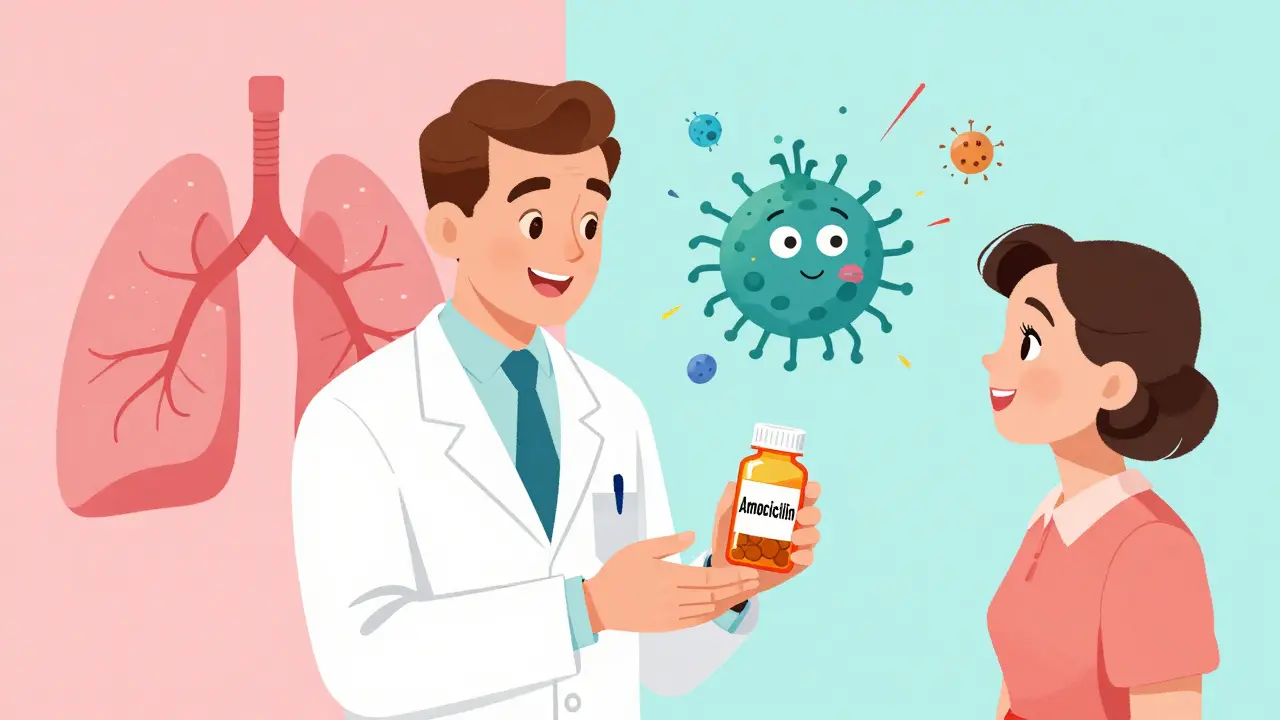
Antibiotics save lives. They turn deadly infections like pneumonia or sepsis into treatable conditions. But they’re not harmless. Every time you take one, you’re not just fighting bacteria-you’re also risking side effects that can range from annoying to dangerous. In the U.S., more than 260 million antibiotic prescriptions are filled each year. That’s nearly one per person. And yet, nearly half of those prescriptions are unnecessary or incorrectly dosed.
What Antibiotics Actually Do
Antibiotics don’t cure colds, flu, or most sore throats. Those are caused by viruses. Antibiotics only work against bacteria. They either kill bacteria outright (bactericidal) or stop them from multiplying (bacteriostatic). The first one, penicillin, was discovered in 1928 when Alexander Fleming noticed mold killing bacteria in a petri dish. Today, we have dozens of types, grouped by how they work and what bacteria they target.
Not all antibiotics are created equal. The World Health Organization classifies them into three groups: ACCESS (first-line, low resistance risk), WATCH (higher risk of resistance), and RESERVE (last resort). Amoxicillin, the most common antibiotic in the U.S., is in ACCESS. Vancomycin, used for MRSA, is RESERVE. Using the wrong one-especially a broad-spectrum one-fuels resistance.
Penicillins: The Original, Still the Most Used
Penicillins are the oldest and still the most prescribed class. Amoxicillin alone accounts for nearly 1 in 5 antibiotic prescriptions in the U.S. It’s used for ear infections, sinusitis, strep throat, and urinary tract infections. Ampicillin, penicillin V, and dicloxacillin are other common ones.
Side effects? Common ones include nausea (15-20% of users), diarrhea (5-10%), and stomach upset. About 10% of Americans say they’re allergic to penicillin. But here’s the catch: 90% of those people aren’t truly allergic. Many had a rash as a kid and were labeled allergic forever. Real penicillin allergy-like anaphylaxis-is rare. If you think you’re allergic, get tested. You might be able to use a safer, cheaper antibiotic.
Cephalosporins: The Penicillin Alternative
If you’re told you can’t take penicillin, your doctor might reach for a cephalosporin. Cephalexin is the most common in this group. It’s used for skin infections, urinary tract infections, and sometimes pneumonia. Others include ceftriaxone (given by injection) and cefixime (for gonorrhea).
Side effects are similar to penicillins: diarrhea, nausea, rash. But here’s the important part: cross-reactivity is low. Only 1-3% of people with penicillin allergy react to cephalosporins. That’s why many doctors now safely prescribe them even if you’ve had a mild penicillin reaction. Severe reactions like Stevens-Johnson syndrome are extremely rare-fewer than 1 in 10,000.
Tetracyclines: For Acne, Lyme, and More
Doxycycline is the star here. It’s prescribed about 35 million times a year in the U.S. for acne, Lyme disease, and some respiratory infections. It’s also used for tick-borne illnesses and even as a malaria preventive.
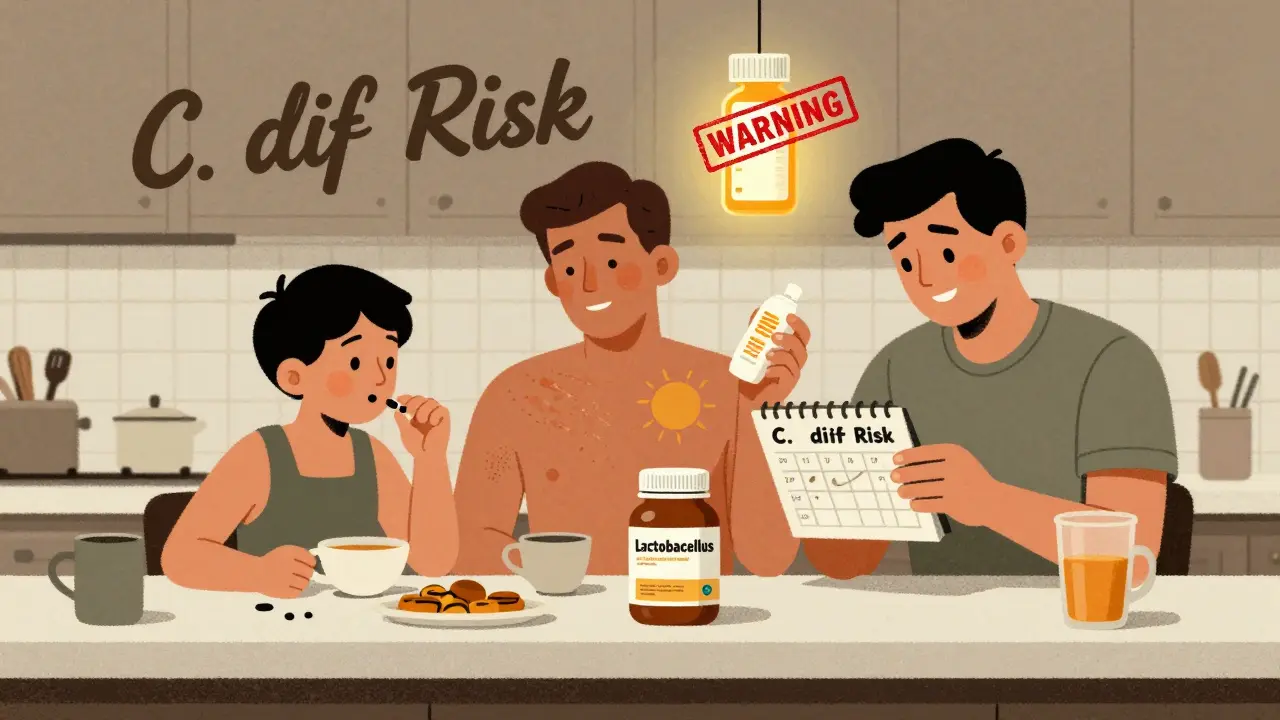
But it comes with serious warnings. Doxycycline makes your skin extremely sensitive to sunlight. You can get a bad sunburn in minutes. Always use sunscreen. It can also cause severe stomach upset in 15-25% of users. And if you give it to a child under 8, it permanently stains their teeth. That’s why it’s not used in young kids or pregnant women.
Macrolides: Azithromycin’s Popularity and Risks
Azithromycin (Zithromax) is the third most prescribed antibiotic in the U.S. It’s popular because you often only need to take it for 3-5 days. It’s used for strep throat, bronchitis, chlamydia, and pneumonia.
But it’s not harmless. About 10-20% of people get nausea, vomiting, or diarrhea. More concerning: it can prolong the QT interval on an ECG, which raises the risk of dangerous heart rhythms. A 2022 study of 1 million patients found it increased cardiac risk by more than two-fold. If you have a history of heart problems, ask your doctor if another antibiotic is safer.
Fluoroquinolones: Powerful, But Potentially Damaging
Ciprofloxacin and levofloxacin are strong antibiotics used for tough infections like kidney infections, pneumonia, and some types of diarrhea. They’re powerful-but they come with a black box warning from the FDA.
Side effects include tendon rupture (especially in older adults or people on steroids), nerve damage (peripheral neuropathy), and even a higher risk of aortic aneurysm. A 2023 study of 1.2 million patients found fluoroquinolones increased aortic aneurysm risk by 2.7 times. These drugs should only be used when nothing else works. For a simple sinus infection? There are safer options.
Sulfonamides and Glycopeptides: Niche but Critical
Trimethoprim-sulfamethoxazole (Bactrim) is used for urinary tract infections and to prevent pneumonia in people with weak immune systems. But it carries a 3-5% risk of severe skin reactions. In rare cases, it can cause Stevens-Johnson syndrome-a life-threatening skin condition.
Vancomycin is the last line of defense against MRSA. It’s given intravenously in hospitals. Side effects include “red man syndrome” (a flushing reaction if infused too fast), kidney damage (in up to 30% of long-term users), and hearing loss. It’s not a drug you take at home. It’s a hospital drug for serious, resistant infections.
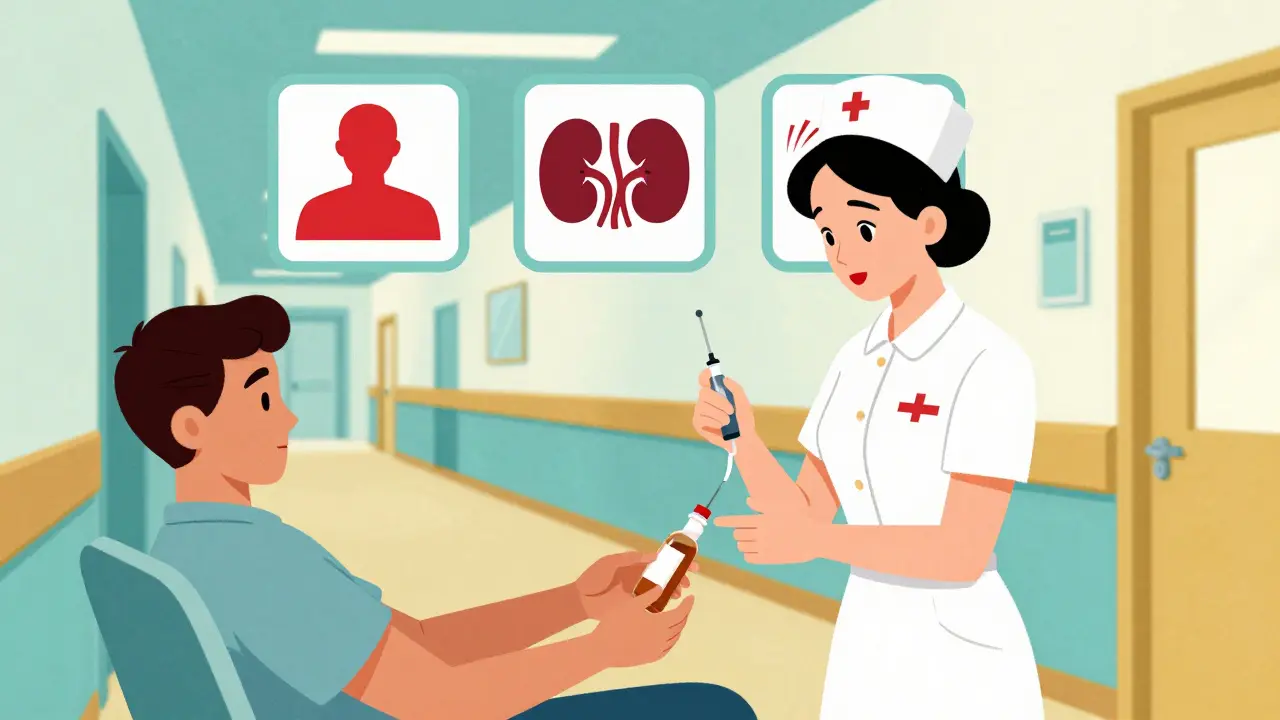
What You Should Know About Side Effects
Diarrhea is the most common complaint. About 68% of people on antibiotics report it. Why? Antibiotics kill good bacteria in your gut along with the bad ones. Sometimes, this leads to C. diff infection-a dangerous, hard-to-treat diarrhea that can require hospitalization.
Allergic reactions are next. Rashes, itching, hives-these are common. Swelling of the face or throat, trouble breathing-this is an emergency. If you’ve ever had a reaction, write it down. Tell every doctor you see.
Yeast infections are also frequent, especially in women. Antibiotics wipe out the bacteria that keep yeast in check. If you get itching or discharge after antibiotics, don’t assume it’s normal. Talk to your doctor.
When Antibiotics Are Necessary-and When They’re Not
Antibiotics are lifesavers for bacterial infections like strep throat, pneumonia, urinary tract infections, and skin abscesses. But they do nothing for viral infections: colds, flu, most coughs, and most sore throats.
Yet, 30% of outpatient antibiotic prescriptions are unnecessary. Doctors sometimes prescribe them because patients expect them. Or because it’s faster than waiting for test results. But overuse is why we’re running out of effective antibiotics. MRSA resistance to vancomycin has tripled since 2010.
Ask your doctor: Is this infection bacterial? Is this antibiotic truly needed? Is there a narrower-spectrum option? Don’t be afraid to ask.
How to Use Antibiotics Safely
- Take them exactly as prescribed-no skipping doses, no stopping early, even if you feel better.
- Never share antibiotics. What works for one person might harm another.
- Don’t save leftover antibiotics for next time. They expire, and the infection might be different.
- Drink plenty of water. It helps flush out toxins and reduces kidney strain.
- Consider probiotics. Some studies show they reduce antibiotic-associated diarrhea. Look for strains like Lactobacillus rhamnosus or Saccharomyces boulardii.
- Report side effects. Use the FDA’s MedWatch system or tell your pharmacist.
What’s Next for Antibiotics?
Only two new antibiotic classes have been approved since 2000. Drug companies don’t invest much because antibiotics aren’t profitable-they’re taken for a short time, unlike drugs for chronic conditions.
But the cost of inaction is terrifying. The World Bank estimates antimicrobial resistance could cost the global economy $1 trillion a year by 2050. That’s why new tools like cefiderocol (approved in 2019) and antibiotic stewardship programs in hospitals are so important. These programs cut inappropriate use by 35%.
Still, experts warn: without major investment and better prescribing habits, we’re heading back to a time when a scraped knee could kill you.
Can I take antibiotics if I’m allergic to penicillin?
Yes, but carefully. Only 1-3% of people with penicillin allergy react to cephalosporins. Many people labeled allergic aren’t truly allergic-up to 90% can tolerate penicillin after testing. If you’ve had a mild rash, ask your doctor about an allergy evaluation. For severe reactions like anaphylaxis, avoid all penicillins and tell every provider.
Why does diarrhea happen after antibiotics?
Antibiotics kill both harmful and helpful bacteria in your gut. This imbalance lets harmful organisms like C. difficile grow unchecked, leading to diarrhea. In mild cases, it resolves on its own. In severe cases, it can become life-threatening. Probiotics may help reduce risk, but don’t rely on them alone. If diarrhea is watery, bloody, or lasts more than 2 days, call your doctor.
Are natural remedies like honey or garlic as good as antibiotics?
No. While honey has mild antibacterial properties and garlic contains compounds that may slow bacterial growth, neither can replace antibiotics for serious infections like pneumonia, sepsis, or meningitis. These are life-threatening conditions. Relying on natural remedies instead of proven antibiotics can delay treatment and lead to death. Use them only as supportive care, not replacements.
How do I know if my antibiotic is working?
You should start feeling better in 2-3 days. Fever should drop, pain should ease, and energy should return. If you don’t improve-or if you get worse-call your doctor. It could mean the antibiotic isn’t right for the infection, or you have a complication. Never wait more than 3 days without checking in.
Can antibiotics cause long-term damage?
Yes, in rare cases. Fluoroquinolones can cause permanent nerve damage (peripheral neuropathy) and tendon rupture. Tetracyclines can permanently stain children’s teeth. Vancomycin can cause lasting kidney or hearing damage if not monitored. Even short courses can disrupt gut bacteria for months, possibly affecting immunity and digestion. Always weigh risks and benefits with your doctor.
What should I do if I miss a dose?
If you miss a dose by a few hours, take it as soon as you remember. If it’s almost time for the next dose, skip the missed one. Never double up. Missing doses can let bacteria survive and become resistant. If you miss more than one dose, call your doctor. You might need a different treatment plan.
Paul Ong
January 1, 2026 AT 18:16Richard Thomas
January 2, 2026 AT 19:09Andy Heinlein
January 4, 2026 AT 18:40gerard najera
January 6, 2026 AT 10:58Phoebe McKenzie
January 8, 2026 AT 07:37Matthew Hekmatniaz
January 10, 2026 AT 02:40Dusty Weeks
January 11, 2026 AT 09:08Liam George
January 12, 2026 AT 18:16Ann Romine
January 14, 2026 AT 08:52Austin Mac-Anabraba
January 15, 2026 AT 16:11sharad vyas
January 15, 2026 AT 18:38Sally Denham-Vaughan
January 17, 2026 AT 09:02Bill Medley
January 17, 2026 AT 12:04