
Antidepressant Safety Checker
Note: This tool provides information based on general medical consensus (SMFM, ACOG). Always consult your healthcare provider before making changes to your medication regimen.
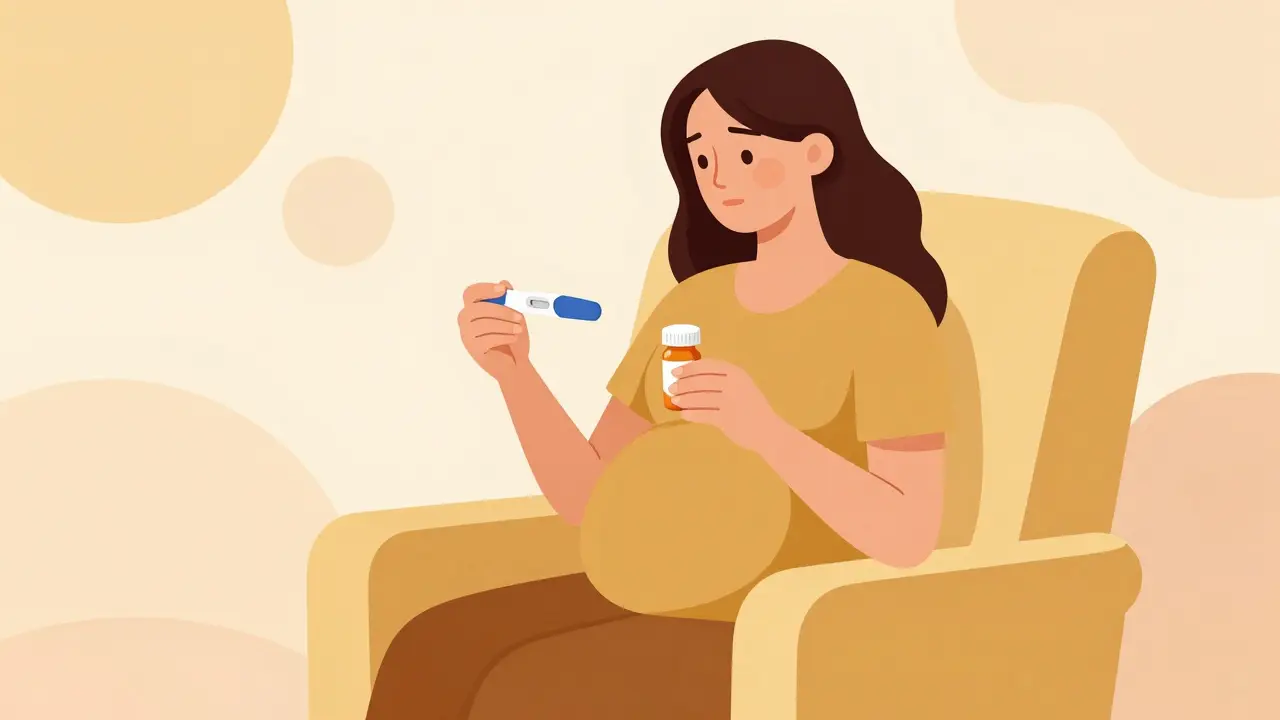
Antidepressant use in pregnancy is one of the most stressful decisions a expecting parent can face. You are trying to protect your baby while also protecting yourself from the heavy burden of perinatal depression. For years, fear has driven many women to stop their medication the moment they see two pink lines on a test. But here is the hard truth: stopping cold turkey is often far more dangerous than staying on the drug. The latest data from 2025 and 2026 shows that the risk of leaving depression untreated outweighs the minimal risks of most modern antidepressants.
The Real Risk: Untreated Depression vs. Medication
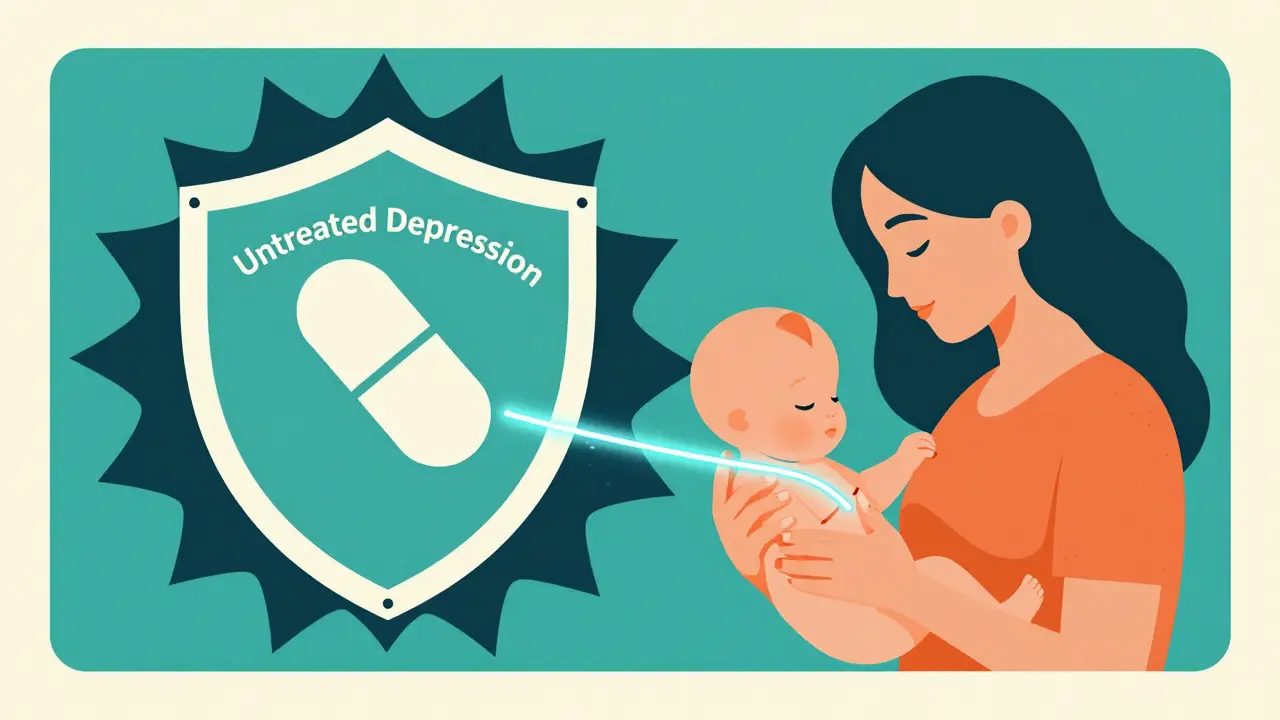
We need to flip the script on how we talk about this. Most people focus on what the pill might do to the baby, ignoring what the disease does to both mother and child. Untreated depression is not just sadness; it is a medical condition with physical consequences. According to the Society for Maternal-Fetal Medicine (SMFM), depression affects roughly 14.5% of pregnant individuals in the U.S. If left unmanaged, it raises the risk of preterm birth by 40%, low birth weight by 30%, and preeclampsia by 25%.
The stakes are even higher for the mother. Mental health conditions are now the leading cause of pregnancy-related death in the United States, accounting for nearly a quarter of all such deaths between 2017 and 2019. A 2024 cohort study tracking nearly 1 million women found that untreated depression triples the risk of suicidal behavior. When you weigh those numbers against the side effects of medication, the choice becomes clearer for many patients. The goal isn't just a healthy baby; it's a safe, stable environment for that baby to grow in.
SSRIs: The Gold Standard for Pregnancy
When doctors prescribe antidepressants during pregnancy, they almost always reach for Selective Serotonin Reuptake Inhibitors, or SSRIs. These drugs have been around since the late 1980s, meaning we have decades of safety data. They work by increasing serotonin levels in the brain, which helps regulate mood. Among SSRIs, Sertraline (Zoloft) and Citalopram (Celexa) are generally considered first-line treatments. Why? Because they have the most extensive safety records and lower rates of transfer across the placenta compared to older drugs.
You might hear about other classes like SNRIs (Serotonin-Norepinephrine Reuptake Inhibitors) or Tricyclic Antidepressants. While these can be effective, SSRIs are preferred because their side effect profile is better understood in the context of pregnancy. The key takeaway is consistency. If you were already on an SSRI before getting pregnant and it was working, switching medications introduces new variables and potential withdrawal symptoms. Stability is usually the best policy.
The Paroxetine Exception: Know Your Drug
Not all antidepressants are created equal when it comes to pregnancy. Paroxetine (Paxil) stands out as a significant exception. Unlike other SSRIs, paroxetine has been linked to a higher risk of congenital heart defects. Studies show a 1.5 to 2.0-fold increased risk of cardiac issues compared to other SSRIs. If you are currently taking Paxil, this is the one scenario where switching medications before conception-or immediately upon discovering pregnancy-is strongly recommended. Talk to your psychiatrist about transitioning to sertraline or citalopram. This specific risk is why knowing your exact medication name matters so much.
| Medication | Class | Pregnancy Safety Rating | Key Risks/Notes |
|---|---|---|---|
| Sertraline (Zoloft) | SSRI | Preferred First-Line | Extensive safety data; minimal fetal exposure. |
| Citalopram (Celexa) | SSRI | Preferred First-Line | Favorable safety profile; similar to sertraline. |
| Fluoxetine (Prozac) | SSRI | Acceptable | Slightly higher risk of PPHN; long half-life. |
| Paroxetine (Paxil) | SSRI | Avoid if Possible | Higher risk of congenital heart defects. |
| Venlafaxine (Effexor) | SNRI | Second-Line | Used if SSRIs fail; monitor for hypertension. |
Busting the Birth Defect Myth
For years, headlines screamed that antidepressants caused birth defects. The reality is much more nuanced. Early studies suggested a slight increase in major congenital malformations, but those studies suffered from "indication bias." They compared women taking antidepressants to women who were perfectly mentally healthy, ignoring the fact that the underlying depression itself carries risks.
When researchers controlled for this-comparing depressed women on medication to depressed women without medication-the link to birth defects disappeared. A 2018 meta-analysis by Gao et al. showed that when restricted to women with psychiatric diagnoses, the odds ratio for major anomalies dropped to 1.04, which is statistically negligible. In July 2025, the SMFM issued a statement emphasizing that available data consistently show SSRI use is not associated with congenital anomalies, fetal growth problems, or long-term developmental issues. The fear of birth defects is largely based on outdated or poorly adjusted data.
Neonatal Adaptation Syndrome: What to Expect
If you continue your medication through the third trimester, there is one side effect you should be prepared for: Neonatal Adaptation Syndrome (PNAS). About 30% of infants exposed to SSRIs near delivery may experience transient symptoms. These aren't permanent damages; they are temporary adjustments. Symptoms can include jitteriness, mild respiratory distress, poor feeding, or irritability.
These symptoms typically resolve within two weeks without long-term consequences. It’s crucial to tell your pediatrician and labor team that you are on an SSRI so they can monitor the baby closely right after birth. Knowing this is coming helps reduce panic. It is a known, manageable reaction, not a hidden danger. The hospital staff will know exactly how to support both you and the baby during this short transition period.

The Danger of Stopping Cold Turkey
Perhaps the most common mistake is abrupt discontinuation. Many women stop their meds as soon as they get a positive test, fearing any exposure is bad. This is a dangerous gamble. Studies show that 68% of pregnant women who discontinue antidepressants experience a relapse of depression, compared to only 26% who stay on the medication. Relapse doesn't just hurt you; it disrupts prenatal care, nutrition, and bonding.
In January 2025, a JAMA Network Open study highlighted a worrying trend: antidepressant refills among pregnant women dropped by 50% compared to the year before pregnancy, yet psychotherapy usage didn't increase to fill the gap. This leaves a massive void in care. Guidelines uniformly advise against sudden stops. Instead, work with your doctor to adjust the dosage or switch to a safer alternative if needed. Withdrawal symptoms can also trigger stress responses in the body, which is counterproductive to a calm pregnancy.
Navigating the 2025 FDA Controversy
In July 2025, an FDA Expert Panel on SSRIs sparked intense debate. Some panelists raised alarms about potential risks, leading to immediate backlash from major medical organizations. ACOG President Steven J. Fleischman called the panel "alarmingly unbalanced," warning that it could incite fear and prevent patients from getting necessary treatment. Only one of ten panelists emphasized the critical role of SSRIs in preventing the devastating effects of untreated anxiety and depression.
This controversy highlights a communication gap between regulatory bodies and clinical practice. As a patient, don't let political or regulatory noise dictate your health choices. Trust the consensus of obstetricians and psychiatrists who treat you daily. The clinical evidence remains robust: for most women, the benefits of treating severe depression outweigh the minimal risks of SSRI exposure. Stay informed, but stay grounded in proven medical advice.
Your Action Plan for Safe Treatment
So, what should you actually do? First, never make changes to your medication regimen without consulting your healthcare provider. Second, aim for the lowest effective dose, especially during the first trimester when organ formation occurs. Third, consider a multidisciplinary approach. Combine medication with cognitive behavioral therapy (CBT) and regular exercise. This holistic strategy often allows for lower medication doses while maintaining mental stability.
Finally, keep open lines of communication between your OB-GYN and your psychiatrist. They need to share notes to ensure your treatment plan evolves as your pregnancy progresses. Remember, you are not choosing between yourself and your baby. By managing your mental health effectively, you are creating the safest possible foundation for both.
Is it safe to take Zoloft during pregnancy?
Yes, Sertraline (Zoloft) is widely considered one of the safest antidepressants for use during pregnancy. It has the most extensive safety data and is often the first-line recommendation for expectant mothers.
Can antidepressants cause autism in children?
Current research indicates no causal link between SSRI use during pregnancy and autism spectrum disorder. Longitudinal studies, including the Norwegian Mother, Father and Child Cohort Study, have shown no significant differences in neurodevelopmental outcomes up to age 5.
What happens if I stop my antidepressants suddenly?
Stopping abruptly increases the risk of depression relapse by over 60%. It can also cause withdrawal symptoms and increase stress on both mother and fetus. Always taper off under medical supervision.
Which antidepressant should I avoid during pregnancy?
Paroxetine (Paxil) is generally avoided due to a higher associated risk of congenital heart defects. If you are taking Paxil, consult your doctor about switching to a safer alternative like Sertraline or Citalopram.
Does untreated depression harm the baby?
Yes, untreated depression is linked to a 40% increased risk of preterm birth, 30% increased risk of low birth weight, and higher rates of preeclampsia. It also negatively impacts maternal engagement in prenatal care.
What is Neonatal Adaptation Syndrome?
It is a temporary condition affecting about 30% of babies exposed to SSRIs in the third trimester. Symptoms include jitteriness, breathing difficulties, and feeding issues, which typically resolve within two weeks without long-term effects.
Should I switch from Prozac to another drug?
Fluoxetine (Prozac) is generally acceptable, though it has a slightly higher association with Persistent Pulmonary Hypertension of the Newborn (PPHN) than some other SSRIs. However, if it works well for you, the benefits often outweigh this small risk. Discuss any concerns with your psychiatrist.
How do I balance medication and therapy?
Combining medication with Cognitive Behavioral Therapy (CBT) and lifestyle changes like exercise is the gold standard. This approach can help maintain mental stability while potentially allowing for lower medication doses.
mardy duffy
May 18, 2026 AT 02:16Another article telling us what to do.
Mollie Louise
May 19, 2026 AT 17:08Oh my gosh, this is such a relief to read! 😭 I was so scared when I found out I was pregnant because I've been on Zoloft for years and my OB just said 'we'll see.' It feels like everyone is terrified of medication but then ignores the fact that untreated depression is literally dangerous. The stats about preterm birth being 40% higher are insane 🤯. I think we need more articles like this that actually look at the data instead of just spreading fear. Thank you for writing this, it helps so much to know I'm not alone in staying on my meds! 💖✨
Mark Ronson
May 21, 2026 AT 11:17It is important to note that while Sertraline is often preferred, individual responses vary significantly. Many patients experience different side effect profiles depending on their genetic makeup regarding CYP450 enzymes. If someone has been stable on Fluoxetine, switching might introduce unnecessary variables as mentioned in the text. The key is monitoring rather than blind adherence to one specific drug class. We must also consider that Paroxetine carries distinct risks that are well documented in cardiology literature from the early 2000s up to recent reviews. Consultation with a psychopharmacologist is ideal if standard psychiatry options are limited in your area.
Kris Wong
May 21, 2026 AT 23:01The FDA panel was obviously compromised by big pharma lobbyists 🚩👮♂️ They want you dependent on these drugs forever. The 'consensus' is just a marketing strategy to keep profits high. Look at the long term effects on brain development that they conveniently ignore in short term studies. You are playing Russian roulette with your child's future neural pathways. Wake up people! 🧠💊
Jeremiah Cassandra
May 23, 2026 AT 20:53Sure, let's just ignore the fact that serotonin is a neurotransmitter and flooding a developing fetus with it sounds like a bad idea to anyone who isn't reading a press release written by Pfizer 🙄. But hey, if the experts say it's fine, who am I to question? Just take the pill and smile through the jitteriness. Brilliant logic right there. 🤡
Anthony Red
May 24, 2026 AT 03:07Hey guys, just wanted to chime in here. I went through this last year with my second kid. My wife was on Celexa and honestly, it was smooth sailing. The baby had some minor jitteriness for a few days but nothing major. The hardest part was dealing with the judgment from family members who thought she should have 'just stopped.' It was super stressful. Glad to see this post laying out the facts clearly. Keep doing what works for you and your doc!
Mikey Mann
May 25, 2026 AT 03:30This brings up an interesting philosophical point about risk perception. We accept many risks in daily life without hesitation, yet we demonize medical interventions that save lives. The anxiety around pregnancy medication is often rooted in a desire for control over an inherently uncontrollable process. By treating the mother's mental health, we are arguably providing the most stable environment possible for the child. It is a paradox that society demands perfection from mothers while simultaneously denying them the tools to achieve stability.
Christina Moran
May 25, 2026 AT 20:23i really appreciate this breakdown. i was on paxil before getting pregnant and my doctor made me switch immediately which was scary but glad we did it. now im on sertraline and feeling way better. does anyone else feel like the advice changes every time you google something?? its so confusing lol. thanks for clarifying the paroxetine thing tho, that was huge for me.
Danny S
May 26, 2026 AT 18:45The establishment wants you medicated to keep you compliant and weak. This is part of the broader agenda to dismantle natural resilience. The 'data' is fabricated by those who profit from your suffering. Do not trust the ACOG or the SMFM. They are extensions of the pharmaceutical industrial complex. Protect your sovereignty by rejecting their chemical shackles. :)
charles robert
May 26, 2026 AT 22:51The tragedy of modern existence is our reliance on external substances to regulate internal states. We have become slaves to our own neurochemistry, outsourcing our happiness to little colored pills. The neonatal adaptation syndrome is merely a symptom of a deeper societal malaise where we refuse to confront the void within ourselves. We numb the pain rather than understanding it, creating a cycle of dependency that spans generations. 🌑💊
Warren Brewer
May 28, 2026 AT 03:06Good info here. Simple stuff. If you are sad and the pill helps, take it. Don't stop unless your doctor says so. Stopping cold turkey is bad news. Talk to your doctor. That is all.
Desirea Gaona
May 29, 2026 AT 14:08I would like to draw attention to the statistical significance of the meta-analysis cited by Gao et al. The adjustment for indication bias is crucial in epidemiological studies of this nature. It is imperative that expectant mothers understand that the correlation between SSRI use and congenital anomalies does not imply causation when confounding variables are properly controlled. Furthermore, the clinical guidelines issued by the Society for Maternal-Fetal Medicine provide a robust framework for decision-making that prioritizes maternal health as a determinant of fetal outcomes.
Kathryn Byrd
May 30, 2026 AT 04:25I have been following the literature on this topic for several years. The distinction between SSRIs and other classes of antidepressants is often overlooked in public discourse. It is interesting to note the specific concerns regarding Paroxetine compared to the generally favorable profile of Sertraline. The mention of Neonatal Adaptation Syndrome is particularly relevant for third-trimester management. Clear communication with healthcare providers remains essential.
Javier Arauz
May 30, 2026 AT 17:18Why are we even talking about this garbage? American women are too soft. Deal with it yourself. No meds needed. Strong minds don't need chemicals. This is why our culture is declining. Stop whining and handle your own problems like real people used to.