
When you walk into a clinic or hospital pharmacy, you might assume the price of a generic antibiotic or blood pressure pill is fixed. But the truth is, the same pill can cost 25% less depending on how it’s bought. Bulk purchasing isn’t just a warehouse trick-it’s a core strategy that cuts costs across the U.S. healthcare system, especially for generic drugs that make up over 90% of all prescriptions.
How Bulk Buying Lowers Prices
Generic drugs don’t come with brand-name marketing, patents, or R&D costs. That means manufacturers can sell them for far less. But without bulk purchasing, those savings don’t always reach the front lines. When clinics, hospitals, or state programs buy in large volumes-like 1,000 or 10,000 units at once-they get direct discounts from manufacturers or wholesalers. These aren’t random deals. They’re structured, predictable, and documented.
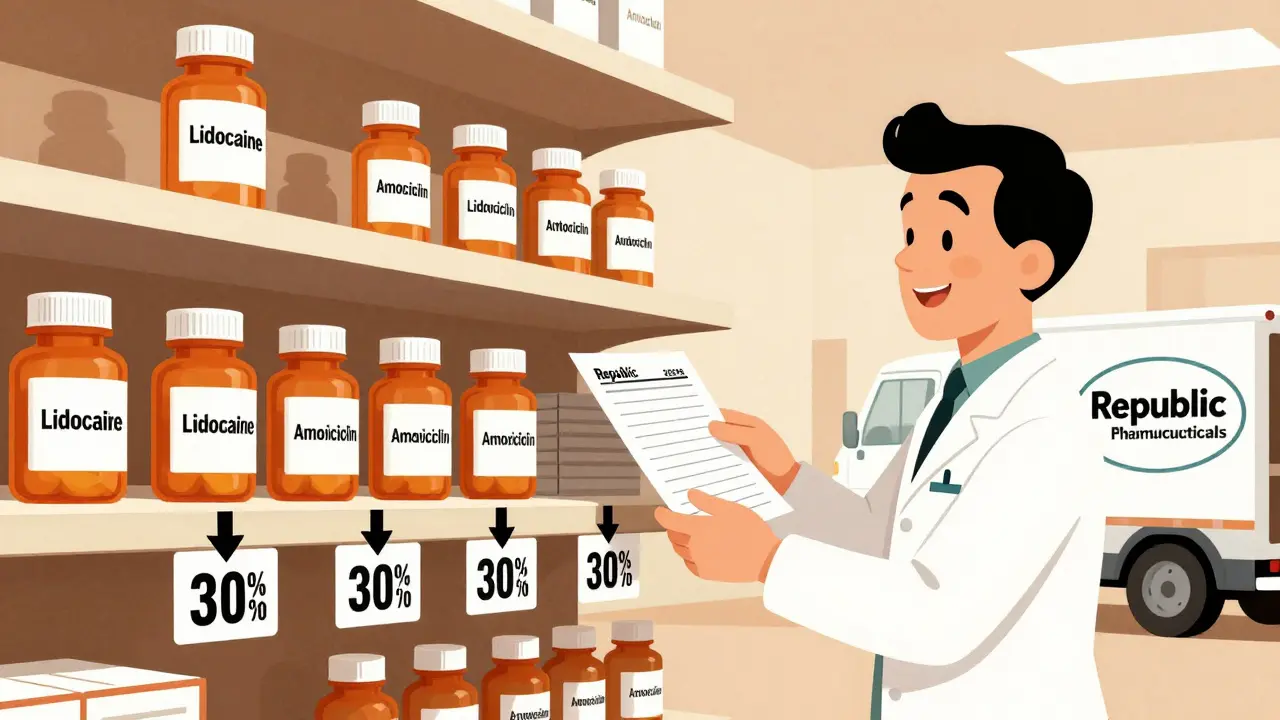
For example, buying 1,000 units of lidocaine or amoxicillin might get you a 5-15% discount off the list price. But if you order 10,000 units? That jumps to 20-30%. The Academy of Managed Care Pharmacy confirms this pattern: volume directly drives price. It’s simple math-more units sold at once means lower per-unit production and shipping costs for the supplier, and they pass some of that savings along.
But here’s the twist: not all bulk discounts are created equal. Primary wholesalers like McKesson, Cardinal Health, and AmerisourceBergen control 85% of the market. They offer small discounts, usually 3-8%, because they’re not competing for volume-they’re just moving inventory. That’s where secondary distributors like Republic Pharmaceuticals come in. They specialize in bulk procurement for smaller providers and offer 20-25% savings by negotiating directly with manufacturers, buying short-dated stock, and eliminating middlemen.
Short-Dated Stock: The Hidden Savings Channel
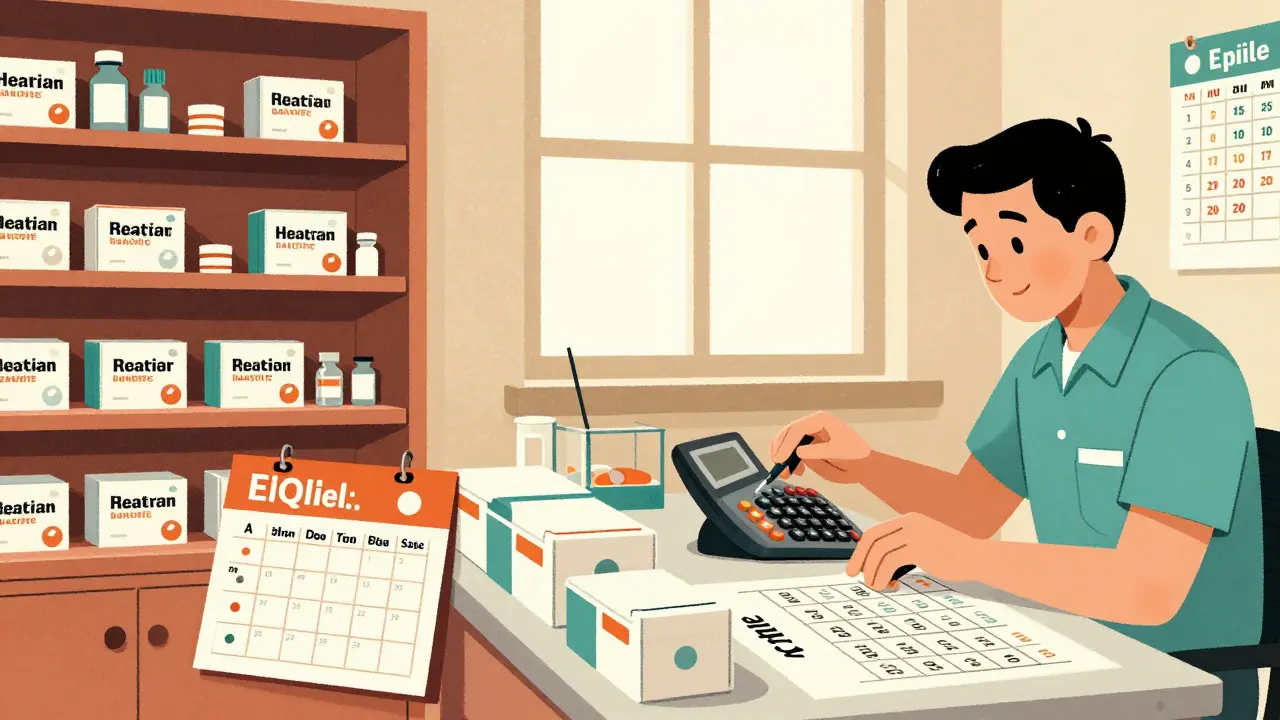
One of the most powerful-but least understood-ways to save is through short-dated stock. These are medications with expiration dates 6-12 months out. Most providers avoid them, fearing waste. But clinics that manage inventory well see 20-30% savings compared to standard stock.
A Texas urgent care center switched 60% of its injectable purchases to short-dated lidocaine and antibiotics, ordering quarterly instead of monthly. Within two months, their cost per dose dropped 20%. No formulary changes. No patient impact. Just smarter timing.
Ohio clinics have reported similar results. One manager said, “We cut injectable costs by nearly 25% in the first quarter.” The key? Accurate demand forecasting. If you know you use 200 units of a drug per month, buying 600 units with a 10-month expiry isn’t risky-it’s smart. The real danger isn’t expiration-it’s overordering too many units that sit unused.
Who’s Really Saving Money?
Not everyone benefits equally. Pharmacy Benefit Managers (PBMs) negotiate massive rebates-15-40%-on generic drugs. But here’s the catch: they often keep 30-50% of those rebates for themselves. USC Schaeffer Center data shows that for every $100 spent on prescriptions, $41 goes to manufacturers, and only about half the negotiated rebate savings actually reach the patient or insurer.
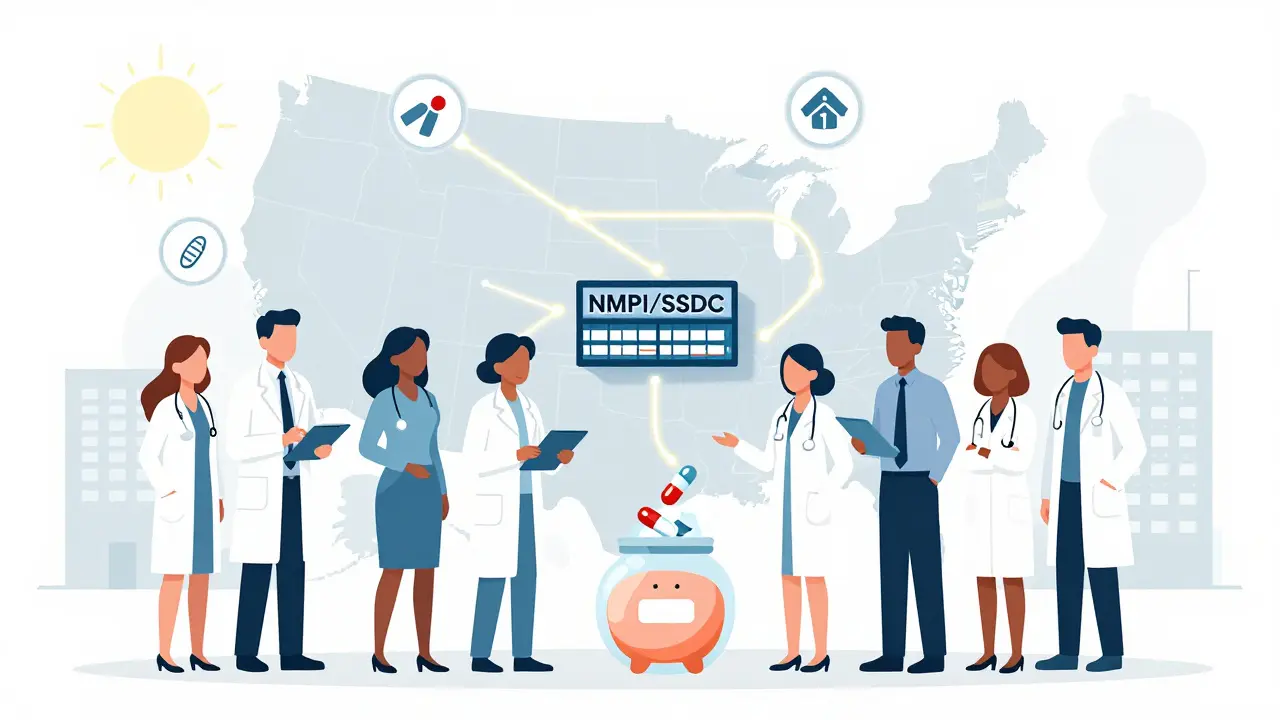
Meanwhile, state Medicaid programs using multi-state purchasing pools like the National Medicaid Pooling Initiative (NMPI) or Sovereign States Drug Consortium (SSDC) are seeing 3-5% savings per drug. That’s not huge on its own, but when you’re buying millions of doses, it adds up to tens of millions in savings annually. A single state buying alone might save 1-2%. Join a pool? That number doubles.
For employers and private insurers, bulk purchasing works best when focused on high-volume generics. Metformin, atorvastatin, lisinopril, levothyroxine-these drugs are prescribed millions of times a year. RxBenefits found that integrated point-of-sale discount programs now automatically apply bulk-negotiated prices at the pharmacy counter. Patients pay 30-50% less out of pocket, with no extra cards or paperwork needed.
Where Bulk Buying Falls Short
Bulk purchasing isn’t magic. It doesn’t work for every drug. Low-utilization medications-like rare antibiotics or specialty injectables-don’t generate enough volume to justify bulk deals. And during drug shortages? Forget it. The FDA reported 298 active generic shortages as of November 2023. When supply is tight, even the best bulk contracts can’t guarantee delivery.
Minimum order requirements are another trap. Some distributors force you to buy 5,000 units of a drug you only use 800 of per year. That ties up cash and creates storage headaches. A 2023 MGMA survey found 35% of urgent care centers complained about being forced to overorder just to qualify for discounts.
And let’s not forget the administrative load. Switching from a primary wholesaler to a secondary distributor means learning new ordering systems, tracking expiration dates, and managing multiple vendors. It takes about 4-6 weeks to get comfortable-and roughly 20 hours of staff time to set up inventory tracking for short-dated stock.
What Works Best: A Practical Guide
If you’re a clinic, urgent care, or small hospital, here’s how to start saving:
- Identify your top 15-20 drugs. These should represent 60-70% of your generic spending. Look at your pharmacy logs. Which meds do you use every week?
- Find a secondary distributor. Republic Pharmaceuticals, and others like it, specialize in bulk deals for small providers. They offer better discounts than primary wholesalers and often have more flexible ordering.
- Target short-dated stock. Ask for medications with 6-12 months left on the clock. Use a simple spreadsheet to track expiration dates. Set alerts for 30 days out.
- Order quarterly, not monthly. Buying in larger batches cuts shipping fees and locks in discounts. Just make sure your storage space can handle it.
- Track usage. If you use 100 units of amoxicillin a month, don’t order 1,000 unless you’re confident you’ll use it. Use historical data. Don’t guess.
Successful clinics spend 5-10 hours a month on inventory optimization. They achieve 95-98% utilization of short-dated stock-meaning almost nothing expires unused. That’s how you turn bulk purchasing into real savings, not just bigger bills.
The Bigger Picture
The U.S. spends $122.4 billion a year on generic drugs, yet they account for only 24.8% of total pharmaceutical spending. That gap exists because pricing isn’t transparent. Manufacturers set list prices, PBMs negotiate rebates, and wholesalers control distribution. Bulk purchasing cuts through some of that noise.
The Inflation Reduction Act’s Medicare drug price negotiations will save $6 billion in 2026 alone. That’s a start. But for clinics, pharmacies, and small providers, the real power is in taking control of your own buying. You don’t need a federal policy change to save 20%. You just need to buy smarter.
As the market evolves, secondary distributors are gaining ground. They now handle 12% of non-340B generic procurement for independent practices. And with new point-of-sale discount programs rolling out in 2024, patients will see lower prices at the counter without any extra steps.
Bulk purchasing won’t fix everything. But for high-volume generics, it’s one of the most reliable, proven ways to cut costs right now. The question isn’t whether you can afford to do it. It’s whether you can afford not to.
Allison Priole
March 21, 2026 AT 10:03Nishan Basnet
March 22, 2026 AT 15:46Casey Tenney
March 23, 2026 AT 23:26Sandy Wells
March 24, 2026 AT 05:00Bryan Woody
March 24, 2026 AT 17:49Chris Dwyer
March 24, 2026 AT 18:22Solomon Kindie
March 25, 2026 AT 05:49Natali Shevchenko
March 26, 2026 AT 21:15Johny Prayogi
March 27, 2026 AT 23:37