
Bupropion Side Effect Risk & Management Tool
Personal Assessment
Your Risk Profile
Recommended Strategies
Starting a new antidepressant is often a mix of hope and hesitation. You want relief from depression or help quitting smoking, but you also dread the potential downsides. If your doctor prescribed Bupropion (known by brand names like Wellbutrin, Zyban, or Aplenzin), you’ve likely heard it’s different from the usual SSRIs. It doesn’t mess with your sex drive as much, and it might even help you lose weight. But there’s a catch. Bupropion carries specific risks that other antidepressants don’t, primarily involving sleep disruption, heightened anxiety, and a lowered seizure threshold.
Understanding these side effects isn’t just about reading a label; it’s about knowing how to manage them so they don’t derail your treatment. This guide breaks down exactly what happens in your body when you take this medication, why these specific side effects occur, and practical steps you can take to minimize them.
How Bupropion Works Differently
To understand the side effects, you first need to understand the mechanism. Most common antidepressants are Selective Serotonin Reuptake Inhibitors (SSRIs) like fluoxetine (Prozac) or sertraline (Zoloft). They work by increasing serotonin levels in the brain. Bupropion, however, is an atypical antidepressant classified as a Dopamine-Norepinephrine Reuptake Inhibitor (DNRI).
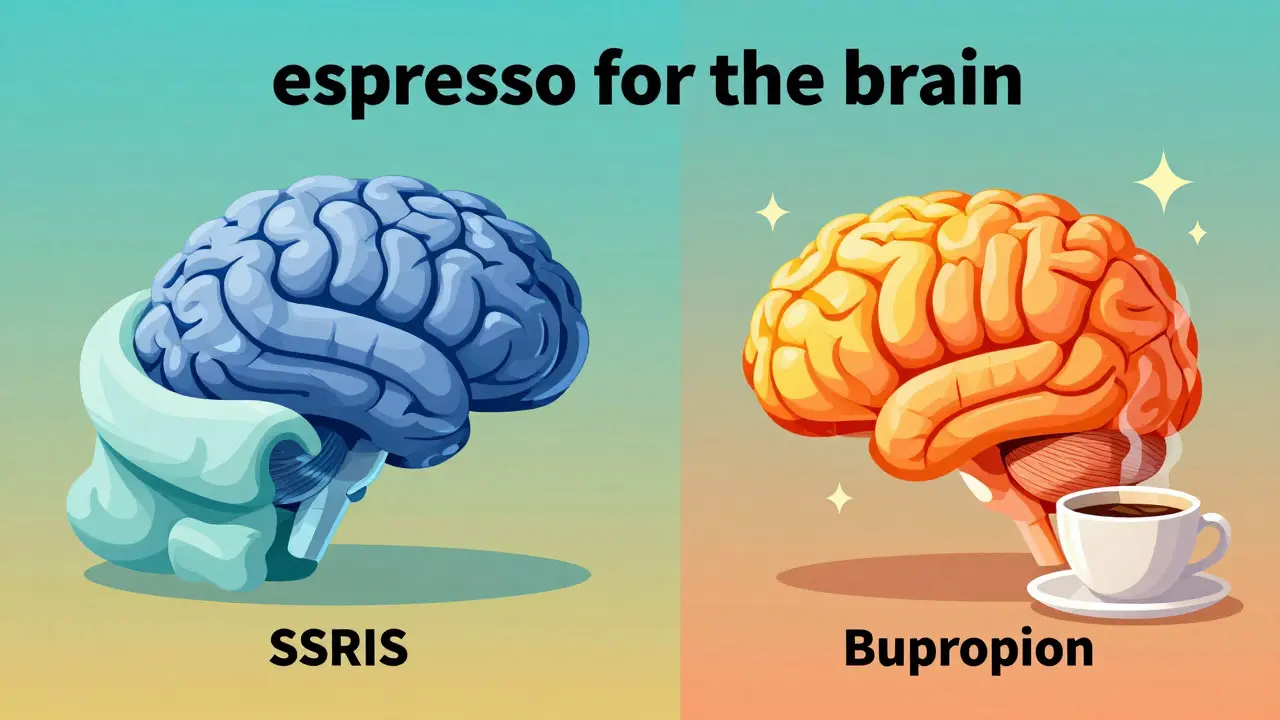
Instead of targeting serotonin, bupropion blocks the reabsorption of dopamine and norepinephrine. These are neurotransmitters associated with energy, focus, and alertness. Think of it this way: if SSRIs are like a calming blanket, bupropion is more like a shot of espresso for your brain. This explains why many patients feel more energetic and motivated, but it also explains why some people feel jittery, anxious, or unable to sleep. The drug essentially keeps your nervous system in a state of higher alert.
| Feature | Bupropion (Wellbutrin) | SSRIs (e.g., Prozac, Zoloft) |
|---|---|---|
| Mechanism | Dopamine & Norepinephrine Reuptake Inhibitor | Serotonin Reuptake Inhibitor |
| Sexual Side Effects | Low (1-6% incidence) | High (30-70% incidence) |
| Weight Impact | Often causes weight loss (23% of users) | Often causes weight gain |
| Insomnia Risk | Higher (19% incidence) | Moderate (10-15% incidence) |
| Anxiety/Agitation | Higher (20-25% incidence) | Moderate (10-20% incidence) |
| Seizure Risk | Present (dose-dependent) | Minimal/Negligible |
The Insomnia Problem: Why You Can’t Sleep
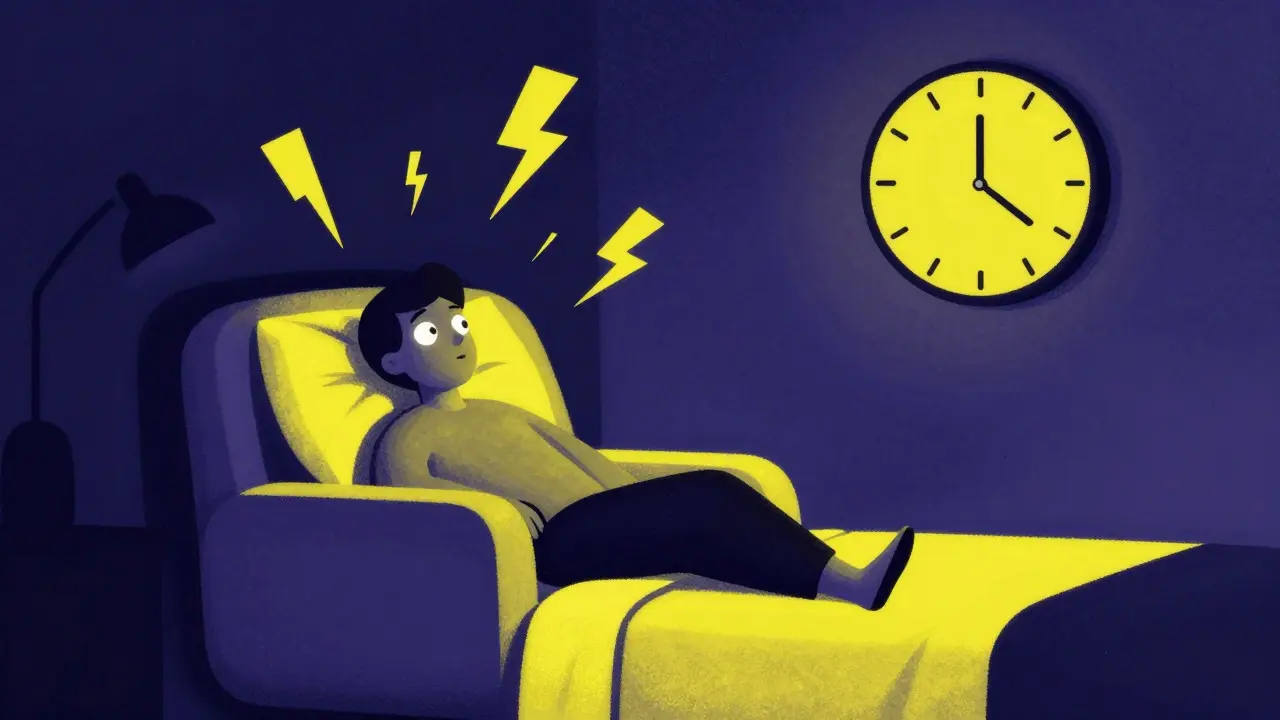
Insomnia is one of the most frequently reported side effects of bupropion, affecting approximately 19% of patients. Because the drug boosts norepinephrine-a chemical that signals "fight or flight"-your brain may struggle to wind down at night. For many, this isn’t just trouble falling asleep; it’s a feeling of being wired while tired.
The timing of your dose plays a massive role here. Clinical guidelines and patient data suggest that taking bupropion too late in the day exacerbates sleep issues. The extended-release (XL) formulation has a half-life of about 21 hours, meaning the drug stays active in your system long after you swallow the pill.
Practical Strategy for Better Sleep:
- Take it early: Aim to take your morning dose as soon as you wake up. Avoid taking it after noon. For many patients, moving their dose from 8 AM to 6 AM made a noticeable difference.
- Avoid caffeine: Since bupropion already stimulates your nervous system, adding coffee or energy drinks can amplify the jitteriness. Try cutting back on caffeine, especially in the afternoon.
- Stick to a schedule: Go to bed and wake up at the same time every day. Your body needs routine to counteract the stimulating effects of the medication.
If insomnia persists beyond the first two weeks, talk to your doctor. They might adjust the dosage or switch you to a different formulation. Don’t just push through it; chronic sleep deprivation can worsen depression, defeating the purpose of the medication.
Anxiety and Agitation: The "Wired" Feeling
While bupropion is great for low energy and lack of motivation, it can be problematic if anxiety is your primary symptom. About 20-25% of patients report increased anxiety, agitation, or nervousness, particularly during the first 1-2 weeks of treatment. This is often referred to as "activation syndrome."
This initial spike in anxiety usually subsides as your body adjusts to the medication. However, for some, it feels intense enough to consider stopping. It’s crucial not to quit abruptly without consulting your provider. Instead, recognize that this is a common transient phase. Your brain is recalibrating its dopamine and norepinephrine pathways, which takes time.
Managing Initial Anxiety:
- Patient education: Knowing that anxiety is a known, temporary side effect can reduce the fear of the symptom itself.
- Relaxation techniques: Incorporate deep breathing exercises, progressive muscle relaxation, or mindfulness meditation into your daily routine.
- Medical support: In some cases, doctors may prescribe a short-term benzodiazepine to help bridge the gap until the anxiety settles. Discuss this option if the feelings are overwhelming.
If your anxiety was the main reason you sought treatment, bupropion might not be the best fit. SSRIs or SNRIs might be more appropriate for anxiety disorders. Always share your full mental health history with your prescriber.
Seizure Threshold: Understanding the Risk
This is the most serious and unique side effect associated with bupropion. Unlike SSRIs, bupropion lowers the seizure threshold, meaning it takes less stimulation to trigger a seizure. At therapeutic doses (≤450mg/day), the risk is approximately 0.4%, which is still higher than the general population’s 0.01%. However, this risk jumps dramatically to 2.0-5.0% at doses above 600mg/day.
Several factors increase this risk significantly:
- Eating Disorders: Patients with bulimia or anorexia nervosa are at higher risk due to electrolyte imbalances. Bupropion is generally contraindicated for these conditions.
- Alcohol or Drug Withdrawal: Heavy alcohol use or sudden withdrawal can lower the seizure threshold further.
- Head Injury or Brain Tumors: Any history of neurological issues increases vulnerability.
- Overdose: Taking more than the recommended dose can lead to severe seizures requiring ICU care.
Warning Signs to Watch For:
If you experience muscle twitching, jerking, spasms, tremors, or uncontrolled movements, seek medical attention immediately. Also, monitor your blood pressure; readings exceeding 180/120 mm Hg require emergency care. Never crush or chew bupropion tablets, as this releases the entire dose at once, spiking plasma concentrations and increasing seizure risk. Always swallow them whole.
Formulations Matter: IR, SR, and XL
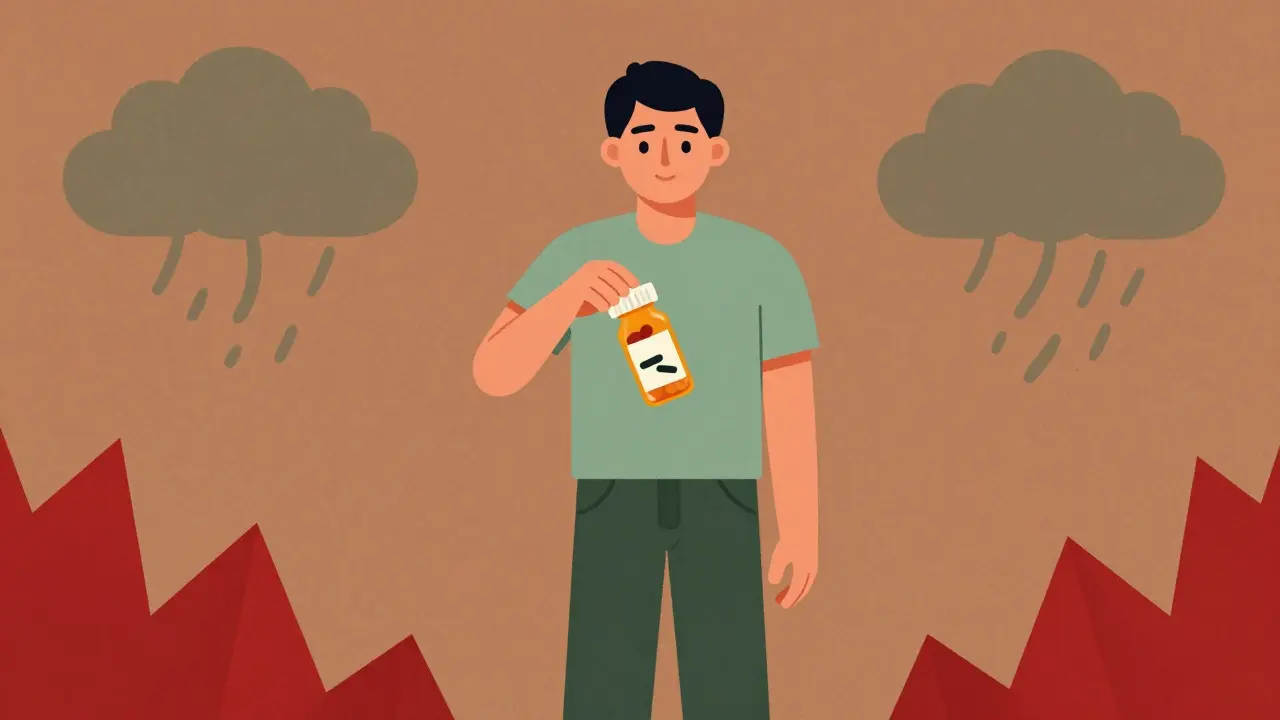
Bupropion comes in three main formulations, and choosing the right one can impact side effects:
- Immediate-Release (IR): Taken multiple times a day. Higher peak plasma levels can increase side effects like anxiety and seizure risk if not spaced correctly.
- Sustained-Release (SR): Taken twice a day. Smoother release than IR, but still requires careful timing.
- Extended-Release (XL): Taken once a day. This is often preferred because it provides steady plasma levels, reducing peaks that cause jitteriness and seizures. Peak concentration occurs around 5 hours after dosing.
If you’re struggling with side effects, ask your doctor if switching to the XL formulation is an option. It’s designed to minimize the sharp spikes in drug concentration that trigger adverse reactions.
When to Talk to Your Doctor
You shouldn’t have to suffer through side effects silently. Contact your healthcare provider if:
- Insomnia disrupts your daily functioning despite good sleep hygiene.
- Anxiety becomes severe or includes panic attacks.
- You notice any signs of seizure activity, such as twitching or confusion.
- You experience visual changes, swelling, or skin rashes.
Your doctor might adjust the dose, change the formulation, or switch medications entirely. Remember, finding the right antidepressant is often a process of trial and error. Bupropion works wonders for many, but it’s not a one-size-fits-all solution.
Does bupropion cause weight gain?
No, bupropion is more likely to cause weight loss. Approximately 23% of users report losing weight, making it a popular choice for those concerned about weight gain from other antidepressants. However, individual results vary, and some people may see no change in weight.
Can I drink alcohol while taking bupropion?
It’s generally advised to limit or avoid alcohol. Alcohol lowers the seizure threshold, and since bupropion also does this, combining them increases your risk of having a seizure. Additionally, alcohol can worsen depression and interfere with sleep.
How long does it take for bupropion side effects to go away?
Most side effects, including insomnia and anxiety, tend to improve within the first 1-2 weeks as your body adjusts. If they persist beyond this period or become severe, consult your doctor for possible dosage adjustments.
Is bupropion safe for people with a history of seizures?
Generally, no. Bupropion is contraindicated in patients with a history of seizures, eating disorders (bulimia/anorexia), or abrupt withdrawal from alcohol or sedatives. Always disclose your full medical history to your prescriber.
Can bupropion help with ADHD?
Yes, bupropion is sometimes used off-label for Attention-Deficit/Hyperactivity Disorder (ADHD). Its effect on dopamine and norepinephrine can improve focus and attention, similar to stimulant medications, though it is not FDA-approved specifically for ADHD.