
You might think that because cannabis is natural, it’s harmless when mixed with your prescription meds. That assumption could be dangerous. In reality, compounds in cannabis-specifically CBD (cannabidiol) and THC (tetrahydrocannabinol)-can drastically alter how your body processes other drugs. This isn’t just theory; it’s a documented pharmacological reality affecting millions of Americans who use both.
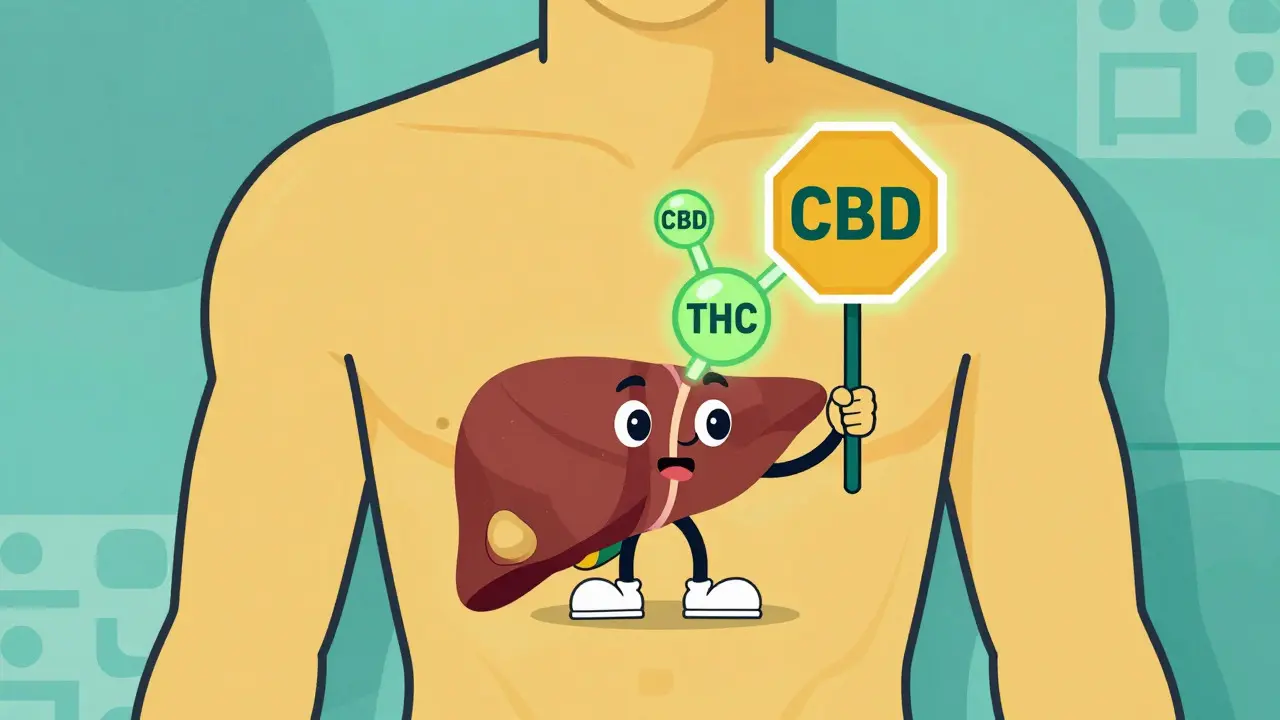
The core issue lies in your liver. Cannabis inhibits the cytochrome P450 enzyme system, specifically a group of enzymes responsible for metabolizing approximately 60% of all clinical medications. When these enzymes are blocked, medications stay in your bloodstream longer and at higher concentrations than intended. This can lead to toxicity or unexpected side effects. A 2024 systematic review by the American Society for Clinical Pharmacology and Therapeutics found that about 57% of commonly prescribed medications have potential interactions with cannabis. If you take multiple prescriptions, the odds of an interaction rise significantly.
How Cannabis Changes Your Body’s Chemistry
To understand the risk, you need to look at the mechanism. There are two main ways cannabis interacts with drugs: pharmacokinetic and pharmacodynamic.
Pharmacokinetic interactions affect how your body absorbs, distributes, metabolizes, and excretes drugs. CBD is a potent inhibitor of the CYP3A4 and CYP2C19 enzymes. THC inhibits CYP1A2, CYP2C9, and CYP3A4. These enzymes break down roughly 25% of all prescription drugs. When CBD blocks CYP3A4, for example, drugs like clobazam (an antiepileptic) aren’t broken down as quickly. Studies show CBD can increase serum concentrations of clobazam by 60% to 500%. This often forces doctors to cut the clobazam dose by 25-50% to prevent severe sedation.
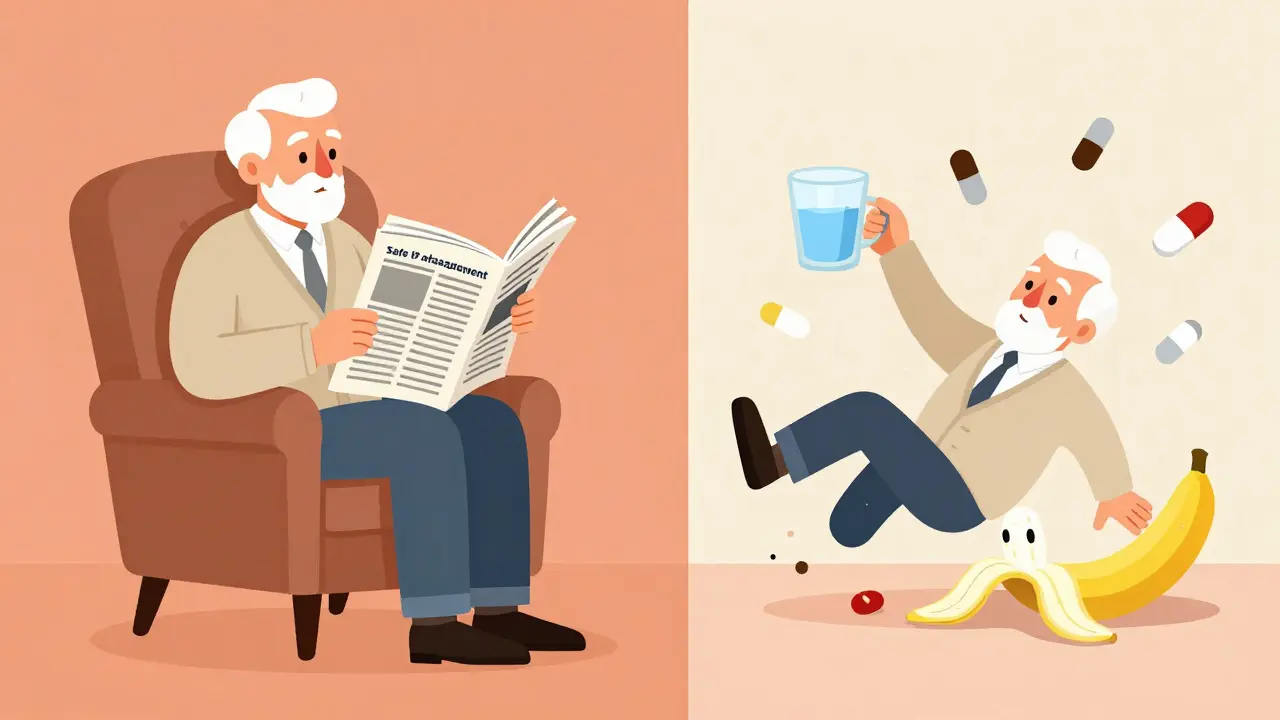
Pharmacodynamic interactions happen when cannabis and another drug act on the same target in your body, amplifying each other’s effects. Both cannabis and many medications, such as benzodiazepines and opioids, depress the central nervous system. Combining them doesn’t just add their effects; it multiplies them. Controlled studies show that mixing cannabis with these CNS depressants can increase sedation scores by 35-60%. For an elderly patient, this extra drowsiness translates directly into a higher risk of falls and fractures.
High-Risk Medications: The Danger Zone
Not all interactions are created equal. Experts categorize risks into tiers based on severity. Some combinations require extreme caution or absolute avoidance due to life-threatening consequences.
| Medication Class | Specific Drugs | Interaction Mechanism | Clinical Consequence |
|---|---|---|---|
| Anticoagulants | Warfarin | Inhibition of CYP2C9 metabolism | INR increases by 29-48%; risk of gastrointestinal bleeding rises sharply within 72 hours |
| Immunosuppressants | Tacrolimus | Inhibition of CYP3A4 metabolism | Trough levels increase 300-500%; risk of kidney toxicity and transplant rejection |
| Antiepileptics | Clobazam | Inhibition of CYP3A4 metabolism | Serum levels rise 60-500%; severe sedation and motor impairment |
For patients on warfarin, the stakes are high. A 2022 systematic review documented cases where concurrent cannabis use led to international normalized ratio (INR) spikes of 2.0 to 4.5 units within just 48 hours. This dramatically increases the risk of internal bleeding. Similarly, transplant patients taking tacrolimus face a different threat: toxicity. Because the drug isn’t cleared properly, levels can skyrocket, potentially damaging the kidneys the transplant was meant to save. The Cannabis Clinicians Society recommends strict monitoring for these groups.
Moderate and Low-Risk Interactions
Many common medications fall into the moderate-risk category. These don’t always cause immediate danger, but they require careful management.
- Benzodiazepines: Drugs like alprazolam see increased blood levels (25-35%) and prolonged sedation (2-4 hours). The Pennsylvania Pharmacists Association warns this combination increases fall risk in elderly patients by 47%.
- Opioids: Morphine clearance decreases by 20-30%, which heightens the risk of respiratory depression. This is particularly concerning for pain management patients.
- Calcium Channel Blockers: Amlodipine levels can rise by 30-40%, leading to hypotension (low blood pressure) in 15-25% of users.
- SSRIs: Sertraline levels may increase by 10-15%. While rarely clinically significant, some users report heightened anxiety or digestive issues.
- Statins: Atorvastatin levels rise by 20-25%, though there are no widespread reports of rhabdomyolysis (muscle breakdown) from this specific interaction.
It’s also worth noting that not all cannabis products behave the same way. Full-spectrum products, which contain up to 0.3% THC along with CBD, demonstrate 22-37% greater inhibition of CYP3A4 enzymes compared to CBD isolates. This "entourage effect" means full-spectrum oils carry a higher interaction potential than pure isolate extracts, even at equivalent doses.
Administration Routes Matter
How you consume cannabis changes the timeline of interactions. Inhalation delivers THC to the brain within 6-10 minutes, creating an acute spike in concentration. This is risky if you’ve recently taken a CNS depressant. Oral products, like edibles or oils, take 2-4 hours to reach peak concentration but last 6-8 hours. This creates a prolonged window of interaction, which is why oral CBD poses a sustained risk for drugs like warfarin.
Dosage is another critical factor. Interaction risks become clinically significant at CBD doses exceeding 20 mg/day. However, for sensitive medications like clobazam, effects can appear at doses as low as 5-10 mg/day. Don’t assume that "low dose" means "no risk."
Practical Steps for Safe Use
If you want to use cannabis while on medication, you need a plan. The DC Health Department’s 2023 guidelines suggest a five-step approach that any patient can follow with their healthcare provider.
- Screen honestly: Tell your doctor exactly what product you’re using (full-spectrum vs. isolate), the dose in milligrams, and how often you take it.
- Check databases: Use tools like the University of Washington’s 'Cannabis Drug Interactions' database to check specific combinations.
- Establish baselines: Before starting cannabis, get baseline levels for high-risk drugs (e.g., INR for warfarin, trough levels for tacrolimus).
- Monitor closely: Check affected parameters 48-72 hours after starting or changing your cannabis routine. For warfarin users, the American Society of Health-System Pharmacists recommends monitoring INR every 3-5 days instead of weekly.
- Adjust conservatively: Be prepared to reduce medication doses by 10-25% under medical supervision if interactions occur.
Timing can also help. The Mayo Clinic suggests taking CBD products at least 2 hours apart from medications metabolized by CYP3A4 to minimize peak interaction potential, though evidence for this strategy is still emerging.
Real-World Experiences and Gaps
Clinical data is one thing; real-life experience is another. Analysis of over 1,200 posts on Reddit’s r/MedicalCannabis community reveals patterns that align with clinical findings. Thirty-eight percent of users combining cannabis with benzodiazepines reported excessive drowsiness requiring dose adjustments. Twenty-seven percent of warfarin users noted unusual bruising shortly after starting CBD oil.
However, experiences vary. Forty-one percent of SSRI users reported no noticeable effects, consistent with the lower theoretical risk. One user shared, "CBD increased my clobazam levels so much I couldn't walk straight - my neurologist cut my clobazam dose by 40% immediately." Another reported using 50mg CBD daily with oxycodone for eight months without increased drowsiness. These anecdotes highlight why personalized medical advice is crucial rather than relying on general rules.
Despite growing awareness, knowledge gaps remain. Fewer than half of community pharmacists feel adequately trained to counsel on cannabis interactions, according to the American Pharmacists Association. Additionally, research on newer medications, such as GLP-1 agonists for diabetes, is scarce. Only 12 studies have examined cannabis interactions with diabetes medications, despite 28% of cannabis users having diabetes. As the market expands, safety research struggles to keep pace.
Frequently Asked Questions
Does CBD interact with all medications?
No, but it interacts with a significant portion of them. Approximately 57% of commonly prescribed medications have potential interactions with cannabis compounds, primarily through the inhibition of liver enzymes like CYP3A4 and CYP2C19. Medications with narrow therapeutic indices, such as warfarin and tacrolimus, are at the highest risk.
Is smoked cannabis safer than CBD oil regarding drug interactions?
Smoked cannabis has a different interaction profile. It induces the CYP1A2 enzyme, which can decrease levels of certain drugs like theophylline by 25-30%. CBD oil, however, inhibits enzymes like CYP3A4 and CYP2C9, leading to increased levels of many drugs. Neither is inherently "safer," but the type of interaction differs. Smoked cannabis acts faster, while oral CBD provides a prolonged interaction window.
What should I do if I am on warfarin and want to use cannabis?
Exercise extreme caution. Cannabis can increase your INR by 29-48% within 72 hours, raising the risk of serious bleeding. Consult your doctor before starting. You will likely need more frequent INR monitoring (every 3-5 days initially) and may require a reduction in your warfarin dose. Do not start recreational cannabis use without informing your anticoagulation manager.
Do CBD isolates have fewer interactions than full-spectrum products?
Yes. Full-spectrum products contain trace amounts of THC and other cannabinoids that contribute to the "entourage effect," resulting in 22-37% greater inhibition of CYP3A4 enzymes compared to CBD isolates at equivalent doses. If you are concerned about drug interactions, a high-purity CBD isolate may present a slightly lower risk, though caution is still advised.
Can cannabis make my antidepressants less effective?
Generally, cannabis increases the levels of SSRIs like sertraline by 10-15%, rather than making them less effective. This can sometimes lead to increased side effects, but many users report no noticeable change. However, individual responses vary, so monitor for signs of serotonin syndrome or increased anxiety when combining these substances.
How long does it take for cannabis-drug interactions to appear?
The timeline depends on the route of administration and the drug involved. For oral CBD, peak interactions occur 2-4 hours after ingestion, with effects lasting 6-8 hours. Significant changes in drug levels, such as INR spikes with warfarin, can be detected within 48-72 hours of starting concurrent use. Immediate effects are more common with inhalation combined with fast-acting CNS depressants.
Are there any medications that cannabis helps metabolize?
Yes, smoked cannabis can induce the CYP1A2 enzyme, which speeds up the metabolism of certain drugs. For example, it can decrease theophylline levels by 25-30% within 2 hours. This means you might need a higher dose of theophylline to achieve the same therapeutic effect. This induction effect is specific to smoking and certain enzymes, unlike the broad inhibition caused by CBD.