
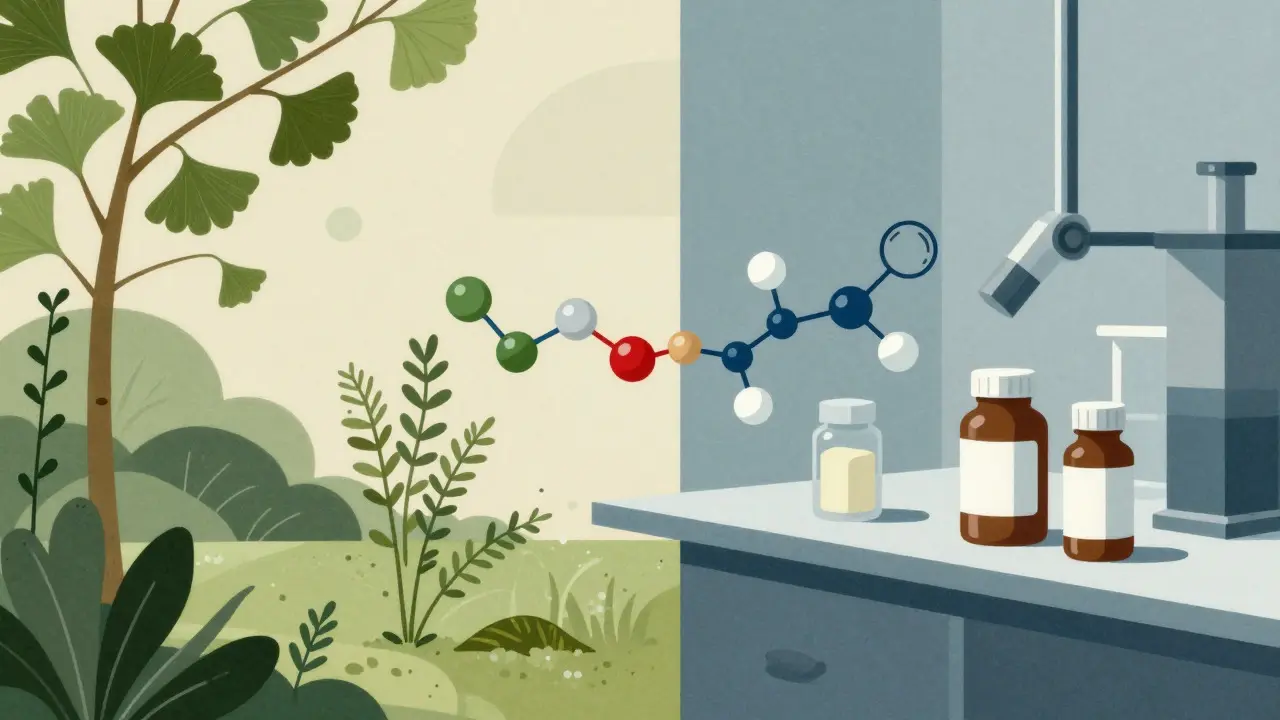
You might think that because a product is labeled "natural," it’s harmless. But when you mix herbal supplements with prescription drugs, the results can be anything but gentle. In fact, about half of all adults in the U.S. take at least one supplement, yet only a quarter tell their doctors about it. This silence creates a dangerous gap in care, leading to hospital visits and even life-threatening complications for thousands of people every year.
The problem isn’t just that herbs are powerful; it’s that they work like medicines inside your body. They change how your liver processes drugs, how your kidneys filter them, or how your blood clots. If you’re taking blood thinners, antidepressants, or heart medications, adding a tea or capsule from the health food aisle could silently undo your treatment-or push it into overdose territory.
Why "Natural" Doesn't Mean Safe
We tend to trust nature more than laboratories. But biologically speaking, a plant extract is just as complex as a synthetic pill. When you swallow a capsule of Ginkgo biloba, which is a popular herb used for memory and circulation support, you aren’t just getting vitamins. You are introducing active compounds that inhibit platelet aggregation-meaning they stop your blood from clotting.
If you are also taking warfarin (Coumadin) or apixaban (Eliquis), those blood thinners are doing the exact same job. Combine them, and your blood becomes too thin to heal minor cuts. The Mayo Clinic documented 23 cases of major hemorrhage between 2010 and 2020 linked specifically to this combination, including three deaths. It’s not a rare freak accident; it’s a predictable chemical reaction.
This misconception-that "natural equals safe"-was confirmed by a 2019 University of Michigan survey where 76% of supplement users held this belief. Meanwhile, 63% had no idea their gummy vitamins or herbal teas could interact with their daily prescriptions. The Dietary Supplement Health and Education Act (DSHEA) of 1994 made it easier for these products to hit shelves without proving safety first, leaving consumers to navigate the risks alone.
The Most Dangerous Combinations to Avoid
Not all herbs are equal in terms of risk. Some have mild effects, while others act like heavy machinery on your metabolism. Here are the specific pairings that medical experts warn against most frequently.
| Herbal Supplement | Common Prescription Drugs Affected | Potential Consequence | Risk Level |
|---|---|---|---|
| St. John's Wort | Antidepressants (SSRIs), Birth Control Pills, HIV Medications | Reduced drug efficacy, Serotonin Syndrome, Unintended Pregnancy | High |
| Ginkgo biloba | Warfarin, Aspirin, NSAIDs (Ibuprofen) | Severe Bleeding, Internal Hemorrhage | High |
| Garlic Supplements | Blood Thinners, Saquinavir (HIV drug) | Increased bleeding risk, Reduced antiviral effectiveness | Medium-High |
| Goldenseal | Statins, Immunosuppressants, Sedatives | Toxic buildup of medication in the body | High |
| Licorice Root | Diuretics, Corticosteroids, Digoxin | Low potassium, High blood pressure, Heart rhythm issues | Medium |
St. John's Wort is arguably the most problematic herb on the market. It affects over 60 different medications. How? It supercharges an enzyme in your liver called CYP3A4. This enzyme breaks down drugs faster than your body intends. If you take oral contraceptives, St. John's Wort can reduce their concentration by 15-30%, leading to contraceptive failure. A 2022 analysis of forum reports showed that 78% of women discussing this herb mentioned unintended pregnancies. For those on antidepressants, it can trigger serotonin syndrome-a condition where too much serotonin builds up, causing fever, muscle rigidity, and confusion.
Goldenseal works in the opposite direction. Instead of speeding up drug breakdown, it blocks the enzymes that process them. This causes drugs to pile up in your bloodstream. A study at the University of Toronto found that goldenseal reduced the clearance of midazolam (a sedative) by 40%. If you are taking statins for cholesterol or immunosuppressants after a transplant, this blockage can turn a standard dose into a toxic one.
How Herbs Change Drug Processing in Your Body
To understand why these interactions happen, you need to look at two main concepts: pharmacokinetics and pharmacodynamics. Pharmacokinetics is what your body does to the drug (absorption, distribution, metabolism, excretion). Pharmacodynamics is what the drug does to your body (its effect).
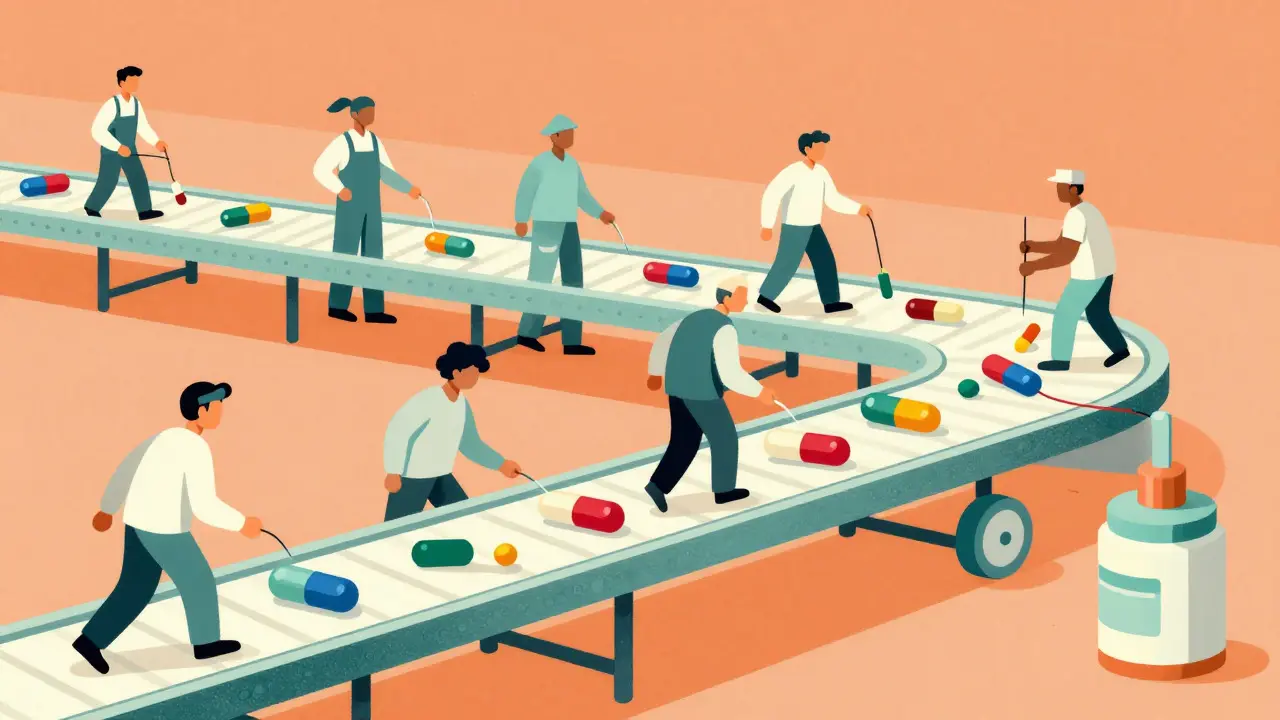
Most serious interactions happen during metabolism, specifically in the liver. Your liver uses a family of enzymes known as Cytochrome P450 (CYP) to break down medications. Think of these enzymes as workers on an assembly line. Some herbs, like St. John's Wort, hire extra workers, so drugs get processed too fast and leave your system before they can help you. Other herbs, like goldenseal or grapefruit juice, fire the workers or block their stations, causing drugs to accumulate to dangerous levels.
For example, garlic supplements don’t just taste strong; they chemically alter how certain HIV protease inhibitors work. A clinical trial at the University of Washington showed that garlic decreased the area under the curve (AUC) of saquinavir by 51%. In plain English, the patients’ bodies absorbed less than half the intended dose of their life-saving medication. They weren’t being treated effectively, even though they were taking their pills as prescribed.
Hidden Herbs: What’s Inside Your "Multivitamin"?
You might not be taking a bottle labeled "Ginkgo," but that doesn’t mean you’re avoiding it. Many supplements blend multiple herbs into single capsules for "brain health," "immune support," or "stress relief."
- Brain Health Formulas: According to 2022 testing by ConsumerLab, 73% of supplements marketed for cognitive function contain hidden ginkgo biloba.
- Mood Support Products: Nearly 89% of these contain St. John's Wort, often listed under vague names like "herbal mood enhancer" without prominent warnings.
- Immune Boosters: About 61% include high-dose garlic extracts or echinacea, both of which can interfere with immune-suppressing drugs.
Always read the "Other Ingredients" section on the back label. If you see words like *Hypericum perforatum* (St. John's Wort), *Ginkgo biloba*, or *Hydrastis canadensis* (Goldenseal), treat them with the same caution as a prescription bottle.
Red Flags: When to Seek Immediate Help
If you are already combining herbs and meds, watch for these specific warning signs. These are not normal side effects; they are indicators of a dangerous interaction.
- Unexplained Bruising or Bleeding: If you are on blood thinners and notice gum bleeding, nosebleeds, or large bruises after minor bumps, check your INR immediately. An INR above 4.0 while on warfarin and herbs requires urgent medical attention.
- Sudden Mood Changes or Agitation: If you start feeling unusually anxious, confused, or experience tremors after starting an herbal supplement alongside antidepressants, you may be developing serotonin syndrome. Symptoms can include a fever over 103°F and muscle stiffness.
- Dizziness or Fainting: Combining hawthorn with beta-blockers or licorice with diuretics can drop your blood pressure too low. If your systolic pressure falls below 90 mmHg, sit down and call your doctor.
- Return of Symptoms: If your depression returns despite taking SSRIs, or if your birth control fails, suspect that an herb like St. John's Wort is neutralizing the drug.
Practical Steps to Stay Safe
You don’t have to give up all supplements to stay safe, but you do need to manage them actively. Here is how to protect yourself:
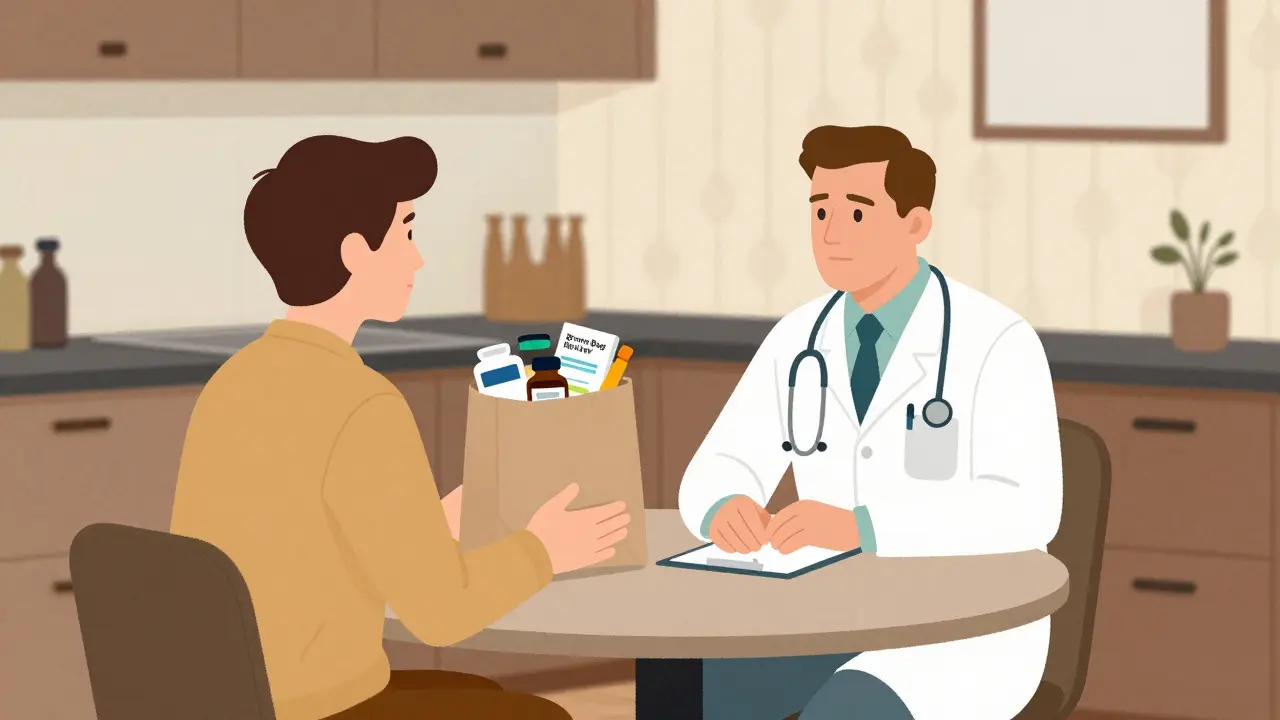
1. The "Brown Bag" Review
Bring every bottle, jar, and box you take to your next doctor’s appointment. Include vitamins, teas, and topical creams. Studies show that 25% of people take both herbs and prescriptions without telling their providers. Break that cycle. Doctors can’t protect you from what they don’t know about.
2. Use Trusted Interaction Checkers
Don’t rely on internet forums or store clerks. Use the NCCIH Herb-Drug Interaction Checker, updated quarterly by the National Center for Complementary and Integrative Health. It categorizes risks as "Life-threatening," "Significant," or "Moderate." If you see "Life-threatening" (which applies to 12 common herbs), avoid the combination entirely.
3. Monitor Key Metrics
If your doctor approves a combination, increase your monitoring frequency. For example, if you take warfarin and want to try Coenzyme Q10, you should check your INR weekly until stable, rather than monthly. CoQ10 can reduce warfarin’s effect by 25-30%, requiring dosage adjustments.
4. Space Out Your Doses
While spacing out doses doesn’t fix metabolic interactions (like St. John's Wort speeding up liver enzymes), it can help with absorption issues. Taking iron supplements four hours apart from calcium-rich herbs or teas can improve absorption. Ask your pharmacist for specific timing advice based on your unique regimen.
Frequently Asked Questions
Can I take herbal supplements with my blood pressure medication?
It depends on the herb. Hawthorn and licorice root are particularly risky. Hawthorn can amplify the effect of beta-blockers, causing your blood pressure to drop dangerously low. Licorice root can raise blood pressure and deplete potassium, counteracting many diuretics. Always consult your doctor before adding these to your routine.
Does cranberry juice really interact with warfarin?
The evidence is mixed. While some studies suggest cranberry can increase INR levels (making blood thinner), a 2020 meta-analysis in JAMA Internal Medicine found inconsistent results. However, because the risk exists, patients on warfarin should keep their cranberry intake consistent and monitor their INR closely if they consume large amounts (more than 250mL daily).
How long does it take for herb-drug interactions to show up?
It varies. Enzyme-inducing herbs like St. John's Wort can reduce drug levels within two weeks. Conversely, symptoms of toxicity from enzyme-blocking herbs like goldenseal may appear gradually as the drug accumulates in your system. Bleeding risks from ginkgo and warfarin can manifest quickly, sometimes within days of starting the herb.
Are there any herbal supplements that are completely safe?
No supplement is 100% guaranteed safe for everyone, but some have lower risk profiles. According to Memorial Sloan Kettering Cancer Center’s database, herbs like milk thistle, saw palmetto, and black cohosh generally have fewer severe interactions. However, individual reactions vary, so disclosure to your healthcare provider remains essential.
What should I do if I accidentally took an interacting herb?
Stop taking the herb immediately. Do not panic, but contact your pharmacist or doctor right away. They may advise you to monitor for specific symptoms or come in for blood tests (like an INR check for blood thinners). Keep the supplement bottle handy to provide exact ingredient information.