

Every year, millions of Medicare beneficiaries miss out on thousands of dollars in savings simply because they don’t review their prescription drug coverage. If you take even one medication regularly, skipping your Annual Open Enrollment Period (AEP) could cost you hundreds - or even over a thousand - dollars next year. The window to change your plan is short: October 15 to December 7 each year. Changes made during this time take effect on January 1. For 2026 coverage, this window closed on December 7, 2025. But if you’re planning ahead for next year, now is the time to get organized.
Why You Can’t Ignore This Every Year
Medicare plans don’t stay the same. Each year, insurance companies adjust premiums, deductibles, pharmacy networks, and - most importantly - which drugs they cover and at what cost. A medication that was on Tier 2 last year might jump to Tier 4 this year, meaning your out-of-pocket cost could go from $15 to $120 per month. According to CMS data, about 60% of Part D plans change at least one drug’s coverage status annually. That’s not rare. It’s the rule.And it’s not just about price. Your local pharmacy might no longer be in-network. A drug you rely on might require prior authorization. Or worse - it might be completely removed from the formulary. The Medicare Rights Center found that 78% of Medicare Advantage plans changed their provider networks between 2023 and 2024. If your doctor or pharmacy isn’t covered anymore, switching plans isn’t just smart - it’s necessary.
What You Need Before You Start
Don’t jump into the Medicare Plan Finder tool blind. You need three things before you compare plans:- Your current medications - List every pill, injection, or inhaler you take. Include the exact name, dosage (e.g., 50 mg, 10 mL), and how often you take it (daily, weekly, etc.). Don’t forget over-the-counter meds if they’re prescribed - some plans cover them.
- Your current plan’s Annual Notice of Change (ANOC) - This letter arrives in September. It details exactly what’s changing for your plan next year: new costs, removed drugs, network changes. Read it. Highlight anything that affects your meds.
- Your pharmacy preferences - Do you use CVS, Walgreens, Costco, or a local independent pharmacy? Check if they’re still preferred in your plan. Preferred pharmacies usually mean lower copays.
Having this info ready cuts your comparison time from hours to under an hour. You’re not guessing. You’re matching real data.
How to Use the Medicare Plan Finder Tool
The Medicare Plan Finder is your best friend. It’s free, official, and updated daily. Here’s how to use it right:- Go to Medicare.gov/plan-compare.
- Enter your ZIP code and date of birth.
- Click "Add your drugs" and type in each medication you listed earlier. The tool will auto-suggest matches. Select the exact brand or generic.
- Enter your preferred pharmacy. If you use more than one, add them all.
- Click "Find plans".
Once you see the results, sort by "Total estimated drug cost" - not just monthly premium. A plan with a $0 premium might cost you $600 more in copays than a $30 premium plan that covers your drugs better. The tool calculates your total annual cost based on your specific meds, so trust it. A 2024 Medicare.gov survey showed beneficiaries who used this tool were 3.2 times more likely to find a cheaper plan than those who didn’t.
Key Things to Look For
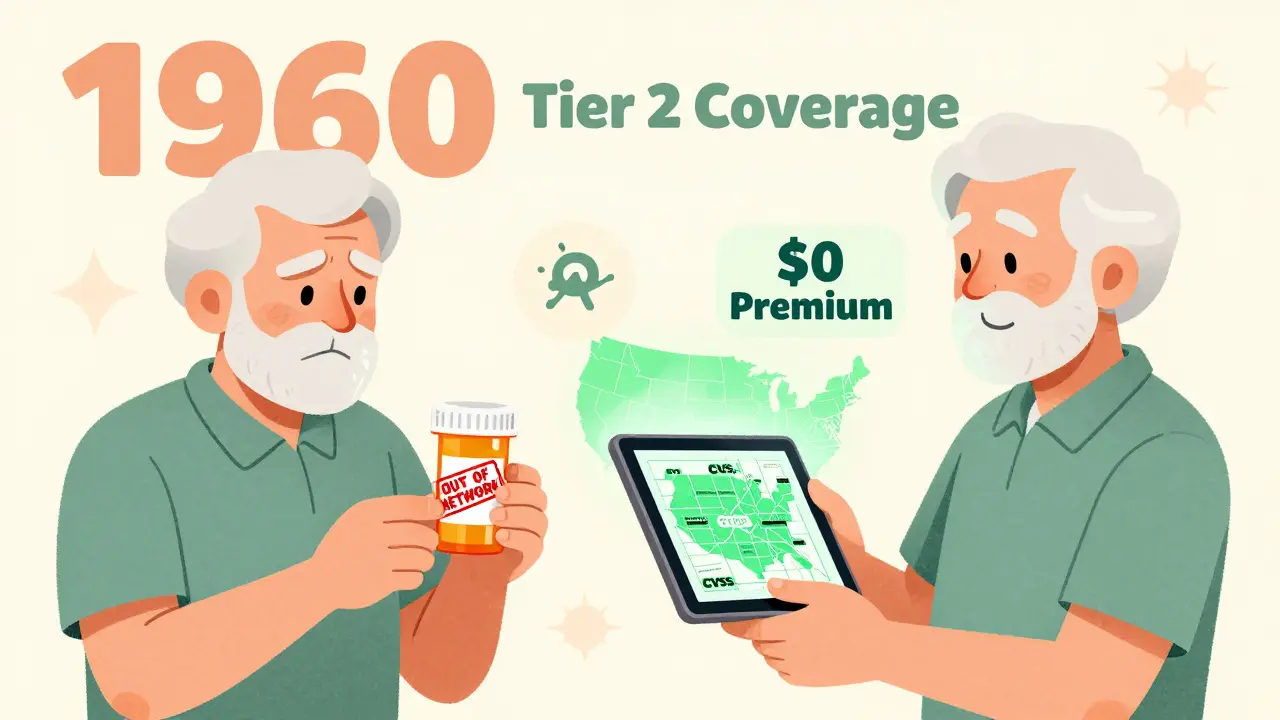
Don’t just skim the numbers. Dig into the details:- Formulary tiers: Drugs are grouped into 5 tiers. Tier 1 = lowest cost (usually generics). Tier 5 = highest (specialty drugs like GLP-1s). If your insulin or Ozempic is on Tier 4 or 5, look for a plan that puts it on Tier 2.
- Utilization management: Some plans require you to try a cheaper drug first (step therapy) or get pre-approval (prior authorization) before covering your medication. If your doctor says you can’t switch, make sure your plan doesn’t force you to.
- Pharmacy network: Preferred pharmacies save you money. Standard pharmacies cost more. If your pharmacy isn’t preferred, you might pay double.
- Donut hole: In 2025, the coverage gap was fully closed by the Inflation Reduction Act. You now pay 25% coinsurance for brand-name drugs in the catastrophic phase. But you still need to track your spending - you’ll hit out-of-pocket limits faster if your plan has high copays.
- Out-of-pocket maximum: Medicare Advantage plans cap your total spending at $8,000 in 2025. Original Medicare with a Part D plan has no cap. If you take expensive meds, a Medicare Advantage plan might save you more in the long run.
What to Avoid
These mistakes cost people money every year:- Waiting until the last week: December 7 is the deadline. If you miss it, you’re stuck until next year. Don’t risk it.
- Assuming your plan is still the best: Just because you’ve had it for years doesn’t mean it’s still affordable. One beneficiary saved $1,200 by switching after finding her insulin was covered at a lower tier.
- Ignoring supplemental benefits: Some Medicare Advantage plans offer extra perks like dental, vision, or transportation. But if you’re dual-eligible (have both Medicare and Medicaid), check if those benefits apply to you. About 31% of plans have hidden restrictions.
- Not checking for generic alternatives: If your brand-name drug has a generic, ask your doctor if you can switch. Generics are almost always cheaper and more likely to be covered.

What’s New for 2026
For next year, two big changes affect medication coverage:- All Part B drugs are now covered: Starting January 1, 2026, Medicare Advantage plans must cover all drugs administered in outpatient settings (like infusions or injections). This means more options and fewer surprises.
- New cost calculators: The Medicare Plan Finder will now show an estimated annual cost based on your exact drug regimen - not just monthly premiums. This makes comparisons much more accurate.
Also, premiums for Part D plans are expected to rise 4.2% in 2026 due to new drug pricing rules. That makes planning even more critical.
Need Help? Use Free Resources
You don’t have to figure this out alone. Every state has free, certified counselors through the State Health Insurance Assistance Program (SHIP). They’ve helped over 9,400 people just like you. Call 1-800-MEDICARE or visit SHIPtacenter.org to find your local counselor. They’ll walk you through your ANOC, help you use the Plan Finder, and even help you enroll.And if you’re overwhelmed, start with this one step: Download your current plan’s ANOC. Compare your medications to next year’s formulary. If even one of your drugs moved up a tier or got a higher copay - you’ve found your reason to switch.
When is the Medicare Annual Open Enrollment Period for 2026 coverage?
For 2026 coverage, the Annual Open Enrollment Period (AEP) runs from October 15, 2025, through December 7, 2025. Any changes made during this time take effect on January 1, 2026. If you miss this window, you won’t be able to change your Medicare drug plan until the next AEP, unless you qualify for a Special Enrollment Period.
Can I switch Medicare Part D plans more than once a year?
No - you can only change your standalone Part D plan once per year during the Annual Open Enrollment Period (October 15 to December 7). The only exception is if you qualify for a Special Enrollment Period, such as moving out of your plan’s service area or losing other drug coverage. Medicare Advantage plans can be changed once during the January-March Medicare Advantage Open Enrollment Period (MAOEP), but that’s only for switching between Advantage plans, not for adding or changing drug coverage.
What if my medication isn’t covered on my current plan next year?
If your medication is removed from your plan’s formulary or moved to a higher cost tier, you should switch plans during AEP. Use the Medicare Plan Finder to search for plans that cover your drug at a lower cost. You can also ask your doctor if there’s a similar drug on a lower tier - sometimes switching to a generic or alternative medication saves hundreds. If no plan covers your drug, you can request a formulary exception from your plan, but this process takes time and isn’t guaranteed.
How much can I save by switching plans during open enrollment?
On average, beneficiaries who review and switch plans during AEP save $532 per year on prescription drug costs, according to Justice in Aging’s 2025 analysis. Some save much more - $1,200 or more - especially if their medications moved from a high-cost tier to a low-cost tier. One beneficiary saved $400 a month by switching to a plan that covered their insulin at Tier 2 instead of Tier 4. The biggest savings come from matching your specific drugs to a plan’s formulary, not just choosing the cheapest premium.
Do I need to enroll in a Part D plan if I have Medicare Advantage?
No - most Medicare Advantage plans (90% in 2025) include Part D prescription drug coverage. If your Medicare Advantage plan already includes drug coverage, you don’t need a separate Part D plan. In fact, having both can cause problems and may result in penalties. Always check your plan’s Evidence of Coverage document to confirm whether drug coverage is included. If it’s not, you must enroll in a standalone Part D plan to avoid late enrollment penalties.
What happens if I don’t review my plan during open enrollment?
If you do nothing, you’ll automatically stay in your current plan for the next year. But your plan may have changed significantly: your drug costs could go up, your pharmacy may no longer be in-network, or your medication might be moved to a higher tier. In 2024, 31% of beneficiaries changed their medication regimen during the year, meaning their old plan no longer matched their needs. Skipping review risks paying hundreds more for the same meds - and possibly going without coverage if your drug is no longer included.
Alexander Erb
March 11, 2026 AT 10:00Denise Jordan
March 13, 2026 AT 01:02Donnie DeMarco
March 13, 2026 AT 22:53David L. Thomas
March 15, 2026 AT 13:43Gene Forte
March 16, 2026 AT 16:39Bridgette Pulliam
March 17, 2026 AT 11:53Mike Winter
March 18, 2026 AT 03:22Randall Walker
March 20, 2026 AT 00:20Tom Bolt
March 20, 2026 AT 13:30Adam Kleinberg
March 22, 2026 AT 04:31Miranda Varn-Harper
March 23, 2026 AT 10:44Kenneth Zieden-Weber
March 25, 2026 AT 07:31Shourya Tanay
March 25, 2026 AT 13:57LiV Beau
March 25, 2026 AT 17:40Chris Bird
March 25, 2026 AT 21:49