

Imagine sitting in a doctor’s office, trying to recall every pill you’ve taken over the last year. You remember the blood pressure med, and maybe that new antibiotic, but what about the vitamins? The occasional ibuprofen? The herbal tea for sleep? If your memory fails you during this conversation, it could lead to dangerous drug interactions or ineffective treatments. This is exactly why medication reviews are structured clinical consultations designed to evaluate a patient's complete medication regimen to optimize therapeutic outcomes and ensure safety. They are not just bureaucratic hurdles; they are critical safety checks.
Whether you are seeing your primary care physician, a specialist, or a clinical pharmacist, preparation is key. A rushed or disorganized review can miss serious issues like polypharmacy, which is the concurrent use of multiple medications by a single patient, often leading to increased risk of adverse drug events. By following a structured approach to gathering your information, you transform this appointment from a stressful interrogation into a collaborative health strategy session. Here is how to prepare effectively so you get the best possible care.
Gather Every Single Substance You Take
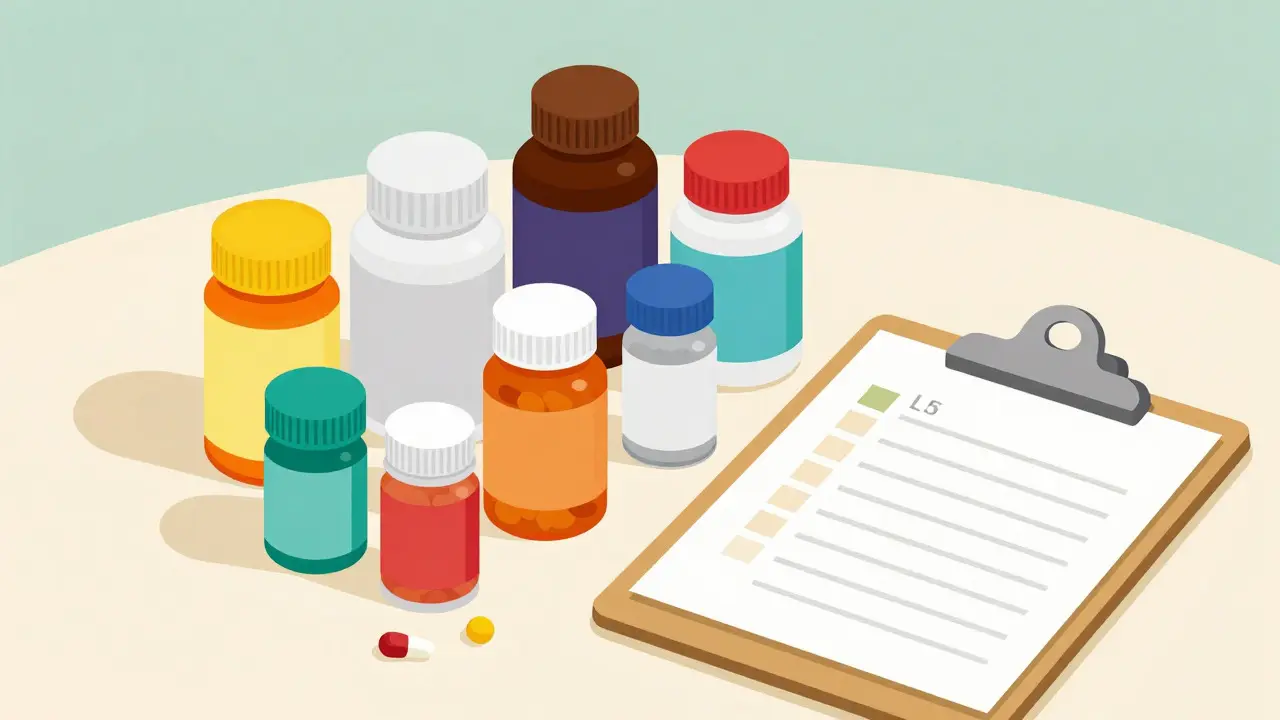
The biggest mistake patients make is only listing prescription drugs. Your body doesn’t distinguish between a pharmaceutical-grade tablet and an over-the-counter remedy when it comes to chemical interactions. To conduct a thorough review, you need to bring everything. This includes:
- Prescription medications: Even if you haven’t taken them in a few weeks, bring them. Your provider needs to know if you stopped taking them and why.
- Over-the-counter (OTC) drugs: Painkillers like acetaminophen or ibuprofen, antacids, allergy meds, and cold remedies.
- Supplements and Vitamins: Fish oil, vitamin D, magnesium, or any multivitamins. Some supplements, like St. John’s Wort or Vitamin K, can significantly alter how blood thinners or other drugs work.
- Herbal Remedies: Teas, tinctures, or capsules bought at health food stores or supermarkets.
- Topical and Inhaler Products: Creams, ointments, eye drops, and asthma inhalers count as medications too.
If you have the actual bottles, bring them. Labels provide exact dosages and manufacturer details that memory often gets wrong. As noted by healthcare guidelines from organizations like the Godiva Group Practice NHS, failing to disclose OTC products is a common cause of missed interactions.
Create a Detailed Medication List
Bringing the bottles is great, but having a written list is even better. It allows your provider to scan your regimen quickly. Don’t just write down the names. Create a table or a clear list with the following columns:
| Medication Name | Dosage & Frequency | Reason for Use | Prescribing Doctor | Side Effects Noticed |
|---|---|---|---|---|
| Lisinopril | 10mg once daily | High Blood Pressure | Dr. Smith (Cardiology) | Dry cough |
| Metformin | 500mg twice daily | Type 2 Diabetes | Dr. Jones (PCP) | Nausea after meals |
| Ibuprofen | 400mg as needed | Joint Pain | Self-prescribed | Stomach upset |
Knowing why you take each medication is crucial. Sometimes, conditions resolve themselves, but patients keep taking the pills out of habit. If you don’t remember why you started a specific drug, note that on the list. It gives your provider a chance to deprescribe-safely stopping medications that are no longer necessary.
Document Timing and Adherence Issues
For many conditions, timing is everything. This is especially true for patients with Parkinson’s disease, where precise medication timing is critical due to narrow therapeutic windows and rapid fluctuations in symptom control. Even for non-Parkinson’s patients, knowing when you take your meds helps identify gaps in coverage or peaks that cause side effects.
Be honest about adherence. Do you forget doses? Do you skip them because they make you feel tired or nauseous? Providers want to hear this. If you say you take everything perfectly but your lab results are poor, they might assume the dose needs increasing. In reality, you might just need a different formulation or a simpler schedule. Documenting these struggles helps tailor the treatment to your real life, not an idealized version of it.
Prepare Specific Questions and Concerns
A medication review is a two-way street. It’s not just about them telling you what to do; it’s about shared decision-making. Before you go, write down questions that matter to you. For example:
- "Are any of these medications interacting negatively?"
- "Can we reduce the number of pills I take daily?"
- "Is there a generic alternative that works just as well?"
- "What are the long-term risks of staying on this medication?"
- "Are there lifestyle changes that could replace one of these drugs?"
The Health Innovation Network emphasizes that agreeing on treatment goals is a core part of the review process. If your goal is to avoid dizziness while driving, tell them. If your goal is to save money on prescriptions, say so. These priorities guide the clinician’s recommendations.
Understand the Format: In-Person vs. Telehealth
How you prepare depends slightly on whether you are meeting face-to-face or via video call. For in-person visits, bringing all physical containers is ideal. For telehealth medication reviews, which have become remote consultations conducted via video or phone, requiring precise digital documentation since physical inspection of medications is impossible, preparation requires extra diligence.
Since the pharmacist or doctor can’t see the bottles, your written list must be flawless. Take clear photos of each label and have them ready to share on screen if needed. Ensure your internet connection is stable, and log into the telehealth platform early. Parkinson’s UK specifically notes that detailed records are even more vital for virtual appointments because the visual cue of holding up a bottle is lost.
Know the Consequences of Skipping Reviews
It’s easy to put off a medication review, thinking it’s optional. However, many healthcare systems now treat these reviews as mandatory safety protocols. For instance, some practices will send monthly reminders, and if you fail to respond, they may restrict the quantity of refills you receive. In severe cases, they might cease issuing further prescriptions entirely until a review is completed.
This isn’t punitive; it’s protective. Without regular checks, the risk of adverse drug reactions, which are harmful or unpleasant responses to a medication used in normal doses, including interactions, allergies, and toxicities, increases significantly. Ignoring the invitation can literally leave you without essential medication.

Special Considerations for Polypharmacy
If you take five or more medications, you are considered to have polypharmacy. This places you at higher risk for complications. During your review, ask specifically about "potentially inappropriate medicines." There are established criteria, such as the Beers Criteria, that help clinicians identify drugs that pose greater risks than benefits for older adults or those with certain conditions.
Don’t be afraid to ask for a "deprescribing" plan. This is a gradual, monitored reduction of medications that are no longer needed. It can improve quality of life, reduce side effects, and lower costs. Being proactive about this shows your provider that you are engaged in your own health management.
Bring Support if Needed
If you have cognitive impairments, hearing difficulties, or simply feel overwhelmed, bring a trusted family member or friend. They can help remember instructions, ask questions you might forget, and provide a second set of ears for complex dosage changes. For elderly patients, emotional preparation is also important; feeling supported reduces anxiety and improves communication during the appointment.
Next Steps After the Review
Once the appointment is over, update your master medication list immediately. If any medications were stopped, disposed of safely according to local guidelines. If new ones were added, set up reminders on your phone. Finally, schedule your next review. Annual reviews are standard, but if you start new medications or experience new symptoms, request an earlier check-in.
How often should I have a medication review?
Generally, medication reviews should occur annually. However, you should request one sooner if you start taking new medications, experience unexpected side effects, visit multiple specialists, or if your health condition changes significantly.
Do I need to bring my actual medicine bottles?
Yes, bringing all prescription and over-the-counter bottles is highly recommended. It ensures the provider sees the exact dosage, strength, and manufacturer. For telehealth appointments, clear photos of the labels are an acceptable substitute.
What happens if I skip my medication review?
Some healthcare practices may limit your prescription refills or stop issuing new prescriptions until a review is completed. This is a safety measure to prevent drug interactions and ensure your treatment remains effective.
Should I include vitamins and herbal supplements in my list?
Absolutely. Vitamins, minerals, and herbal remedies can interact with prescription drugs. For example, Vitamin K can interfere with blood thinners, and St. John’s Wort affects many antidepressants. Full disclosure is essential for safety.
Who conducts a medication review?
Medication reviews can be conducted by General Practitioners (GPs), specialists, or Clinical Pharmacists. Pharmacists often have specialized training in drug interactions and dosage optimization, making them excellent resources for comprehensive reviews.
What is polypharmacy?
Polypharmacy refers to the use of multiple medications by a single patient, typically defined as taking five or more drugs. It increases the risk of adverse drug events, interactions, and non-adherence, necessitating more frequent and thorough reviews.
Can a medication review help me save money?
Yes. By identifying unnecessary medications, switching to generics, or adjusting dosages, a review can significantly reduce your out-of-pocket costs. Always ask your provider about cost-effective alternatives during the appointment.