
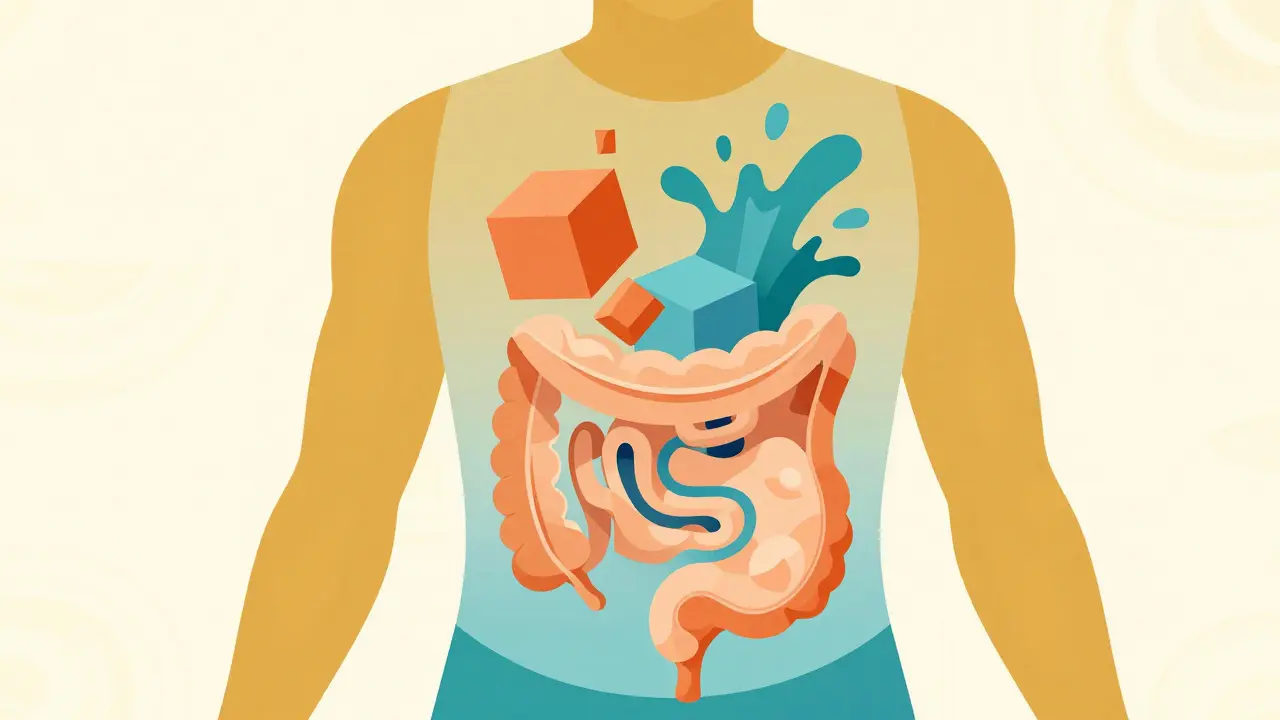
One day you’re rushing to the bathroom, desperate for relief. The next, you’re straining in vain, feeling completely blocked up. If this sounds familiar, you aren’t crazy, and you aren’t alone. You might be dealing with IBS-Mixed, a specific subtype of Irritable Bowel Syndrome characterized by alternating episodes of constipation and diarrhea. It’s often called the "most frustrating" form of IBS because standard treatments for one symptom can trigger the other. Laxatives make the diarrhea worse; anti-diarrheals lock you up again. But there is a way to manage it without playing medical whack-a-mole.
This guide cuts through the noise. We’ll look at how to identify your triggers, what actually works according to recent clinical data, and how to build a daily routine that stabilizes your gut. No fluff, just actionable steps based on current gastroenterology guidelines.
What Exactly Is IBS-Mixed?
To manage IBS-Mixed, you first need to know what you’re fighting. Unlike Inflammatory Bowel Disease (IBD), such as Crohn’s or ulcerative colitis, IBS-Mixed doesn’t cause visible damage or inflammation in your digestive tract. Instead, it’s a disorder of function. Your gut brain axis-the communication network between your nervous system and your intestines-is misfiring.
According to the Rome IV diagnostic criteria, which are the gold standard for diagnosis, you qualify for IBS-Mixed if:
- You have recurrent abdominal pain at least one day per week in the last three months.
- The pain is related to defecation (it gets better or worse after a bowel movement).
- Your stool frequency changes (too often or too rarely).
- Your stool form changes (hard/lumpy vs. loose/watery).
- Crucially: At least 25% of your bowel movements are hard or lumpy (Bristol Stool Scale types 1-2) AND at least 25% are loose or watery (types 6-7).
If you don’t hit that 25% threshold for both extremes, you might fall into IBS-C (constipation-predominant) or IBS-D (diarrhea-predominant). Knowing your specific subtype matters because the treatment paths diverge sharply.
Why Is IBS-Mixed So Hard to Treat?
The core problem with IBS-Mixed is therapeutic conflict. Most medications target a single direction of motility.
Take Linaclotide, a drug designed to increase fluid secretion in the intestine to help with constipation. In IBS-C patients, it helps nearly half of them. In IBS-Mixed patients? Only about 22% see significant benefit, and many report increased diarrhea. Conversely, Eluxadoline, used for diarrhea, helped only 19% of IBS-Mixed patients in comparative studies. Why? Because suppressing diarrhea can push you into severe constipation, and relieving constipation can trigger a diarrheal flare.
This complexity explains why the average time to diagnosis for IBS-Mixed is 6 to 7 years. Patients often see multiple doctors, trying different meds, before someone connects the dots. The good news? Once diagnosed, you can take control.
Dietary Strategy: The Low FODMAP Approach
Food is usually the biggest lever you can pull. Up to 70% of IBS patients see improvement with dietary changes, but random elimination diets rarely work. You need a systematic approach. The most evidence-backed method is the Low FODMAP Diet.
FODMAPs are short-chain carbohydrates (Fermentable Oligosaccharides, Disaccharides, Monosaccharides, And Polyols) that your small intestine struggles to absorb. They draw water into the gut (causing diarrhea) and ferment rapidly (causing gas and bloating). For IBS-Mixed, this dual action is particularly problematic.
| Food Group | High-FODMAP Items (Avoid) | Low-FODMAP Alternatives (Safe) |
|---|---|---|
| Grains | Wheat, Rye, Barley bread/pasta | Rice, Quinoa, Oats, Corn |
| Vegetables | Onions, Garlic, Cauliflower, Mushrooms | Carrots, Spinach, Zucchini, Potatoes |
| Fruits | Apples, Pears, Watermelon, Mangoes | Blueberries, Strawberries, Bananas, Oranges |
| Dairy | Milk, Yogurt, Soft Cheeses (Lactose) | Lactose-Free Milk, Cheddar, Parmesan, Almond Milk |
| Sweeteners | Honey, Agave, High-Fructose Corn Syrup | Maple Syrup, Stevia, Table Sugar |
How to do it right:
- Elimination (2-6 weeks): Strictly avoid high-FODMAP foods. This isn’t forever; it’s a reset button to calm your gut.
- Reintroduction (8-12 weeks): Systematically add back one FODMAP group at a time (e.g., fructans from onions/garlic) while tracking symptoms. This identifies your personal triggers.
- Personalization: Create a long-term diet that excludes only the groups that hurt you. Don’t stay on strict low-FODMAP indefinitely, as it can harm your gut microbiome diversity.
A 2021 study showed that while low-FODMAP helps 70-75% of IBS-D patients, it helps 50-60% of IBS-Mixed patients. It’s still highly effective, but you may need to combine it with other strategies.

Medication Management: Balancing the Seesaw
Since no single drug is FDA-approved specifically for IBS-Mixed, you often need a toolkit approach. Here’s how experts recommend balancing the scales:
1. Soluble Fiber (The Stabilizer)
Unlike insoluble fiber (bran), which can irritate an inflamed gut, Psyllium Husk is soluble. It absorbs water to bulk up loose stools and softens hard stools. It’s a neutral player that helps regulate consistency regardless of whether you’re leaning toward constipation or diarrhea. Start with a low dose (5g daily) and increase slowly to avoid gas.
2. Antispasmodics (For Pain)
Drugs like Dicyclomine or Hyoscyamine relax the smooth muscles of the gut. They don’t fix bowel habits directly, but they reduce the cramping pain that often accompanies both constipation and diarrhea flares. Take them 15-30 minutes before meals or when pain starts.
3. Symptom-Specific Rescue Meds
Keep two types of over-the-counter meds handy:
- For Diarrhea Flares: Loperamide (Imodium). Use sparingly. Too much will cause rebound constipation.
- For Constipation Flares: Polyethylene Glycol (Miralax). It’s gentle and non-habit forming compared to stimulant laxatives.
Pro Tip: Don’t guess. Track your Bristol Stool Score daily. If you’re at a 1 or 2, use the PEG. If you’re at a 6 or 7, use Loperamide. If you’re at a 4 (ideal), use neither. This prevents over-medication.
4. Neuromodulators (The Hidden Gem)
If pain is your dominant symptom, ask your doctor about low-dose antidepressants. Tricyclic antidepressants (TCAs) like Amitriptyline slow gut motility (helping diarrhea) and raise pain thresholds. SSRIs can speed up motility (helping constipation). A Cochrane review found these provide significant benefit for global symptom improvement in IBS-Mixed, not just for mood.
Stress and the Gut-Brain Axis
You’ve probably heard "stress causes stomach issues." For IBS-Mixed, this isn’t just a cliché; it’s physiology. Stress hormones directly alter gut motility and sensitivity. A 2019 study found that 68% of IBS-Mixed patients report stress worsening their symptoms.
You don’t need to meditate for hours. Try these practical techniques:
- Gut-Directed CBT: Cognitive Behavioral Therapy specifically tailored for IBS has been shown to reduce symptom severity by 40-50%. It helps retrain your brain’s response to gut signals.
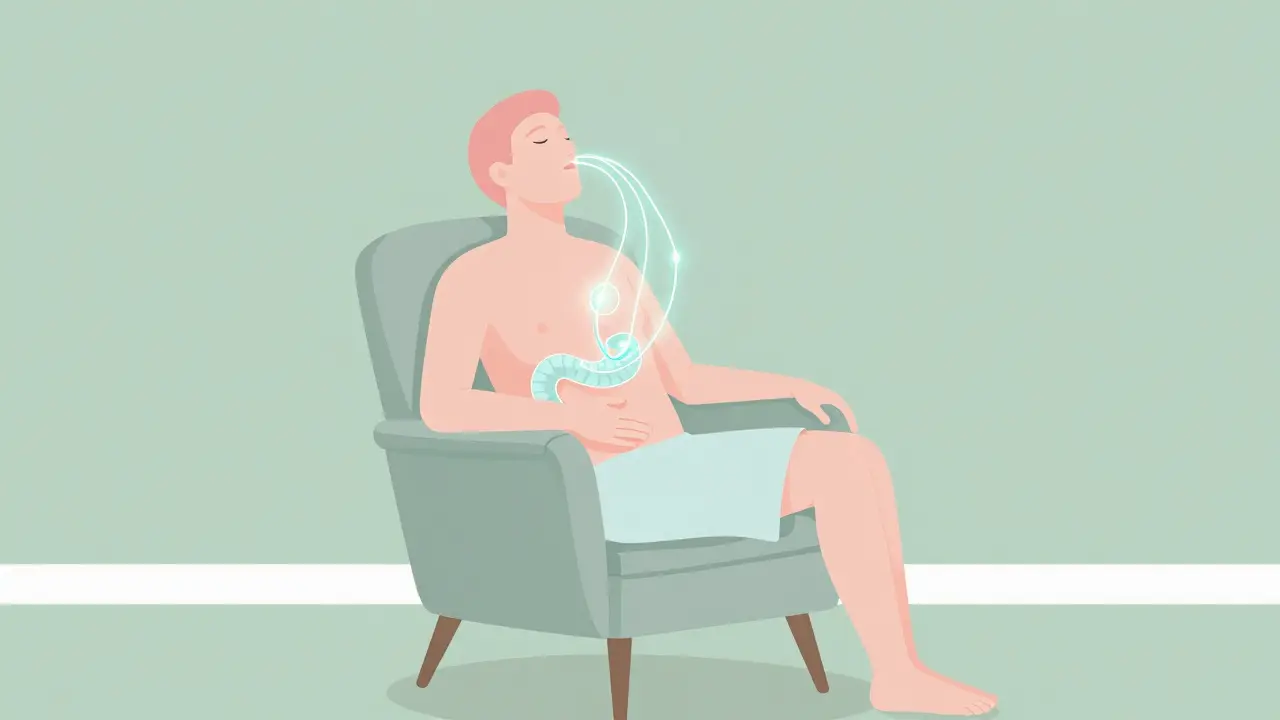
- Diaphragmatic Breathing: Five minutes of deep belly breathing before meals can activate the parasympathetic nervous system ("rest and digest"), reducing spasms.
- Regular Sleep: Poor sleep increases visceral hypersensitivity. Aim for 7-8 hours consistently.
Supplements That May Help
While diet and meds are primary, some supplements show promise:
- Peppermint Oil: Enteric-coated capsules (like IBgard) prevent heartburn and deliver antispasmodic effects directly to the intestines. Studies show reduced pain and bloating in ~60% of users.
- Probiotics: Results are mixed. Look for strains with clinical evidence for IBS, such as Bifidobacterium infantis 35624. Give any probiotic 4 weeks to assess effectiveness; if it doesn’t help, drop it.
- Pea Protein: If dairy triggers you, switch to pea protein isolate. It’s low-FODMAP and less likely to cause bloating than whey or soy.
Building Your Daily Routine
Consistency beats intensity. Here’s a sample daily plan for managing IBS-Mixed:
- Morning: Wake up, drink warm water with lemon (low FODMAP). Take Psyllium Husk with a large glass of water. Eat a low-FODMAP breakfast (e.g., oatmeal with blueberries and lactose-free milk).
- Mid-Day: Lunch with lean protein (chicken/tofu) and cooked vegetables (carrots/zucchini). Avoid raw salads if they trigger gas. Take Dicyclomine if you feel pre-meal anxiety or cramping.
- Afternoon: Snack on a banana or rice cakes. Practice 5 minutes of diaphragmatic breathing if stressed.
- Evening: Dinner similar to lunch. Avoid eating within 3 hours of bedtime. Track your bowel movement in your diary using the Bristol Stool Scale.
- Night: Review your log. Did you have a flare? Note potential triggers (food, stress, lack of sleep).
When to See a Doctor
IBS-Mixed is a diagnosis of exclusion. Before settling on management, ensure you’ve ruled out red flags. See a gastroenterologist immediately if you experience:
- Blood in your stool
- Unexplained weight loss
- Anemia (low iron)
- Pain that wakes you up at night
- Family history of colon cancer or IBD
Your doctor should order basic tests: Complete Blood Count (CBC), C-Reactive Protein (CRP) for inflammation, and Celiac serology. If these are normal, IBS-Mixed is likely.
Can IBS-Mixed turn into IBD?
No. IBS (Irritable Bowel Syndrome) and IBD (Inflammatory Bowel Disease) are distinct conditions. IBS does not cause structural damage, inflammation, or increase your risk of colon cancer. However, symptoms can overlap, so proper diagnosis is essential.
How long does it take to find the right treatment?
It varies, but most patients report significant improvement within 3-6 months of consistent management. This includes completing the low-FODMAP reintroduction phase and adjusting medications based on your symptom diary.
Is coffee bad for IBS-Mixed?
Coffee stimulates gut motility, which can trigger diarrhea in some people. It’s also acidic, which may worsen bloating. Try switching to decaf or herbal tea. If you drink coffee, limit it to one cup in the morning and monitor your reaction.
Can exercise help IBS-Mixed?
Yes. Moderate aerobic exercise (like walking or swimming) helps regulate bowel motility and reduces stress. Avoid high-intensity workouts immediately before meals, as this can divert blood flow from digestion and cause cramping.
Are there any new drugs for IBS-Mixed?
As of 2026, no drug is FDA-approved specifically for IBS-Mixed. However, ibodutant showed promise in trials for global symptom improvement. Always discuss off-label uses or new clinical trial options with your gastroenterologist.
Christopher Laver
May 23, 2026 AT 11:24useless.
Christina Mitchell
May 25, 2026 AT 07:14I have been struggling with this exact issue for years, and reading this guide feels like a breath of fresh air. It is so validating to finally understand that my gut isn't just broken beyond repair, but rather functioning in a chaotic way due to the brain-gut axis misfiring. The section on the Low FODMAP diet was particularly enlightening because I had tried random elimination diets before without any success. Knowing that there is a systematic approach with an elimination phase followed by reintroduction gives me hope that I can actually identify my specific triggers instead of guessing blindly every time I eat. I am especially intrigued by the idea of using soluble fiber like Psyllium Husk as a stabilizer. It makes perfect sense that something neutral could help regulate consistency regardless of whether I am leaning towards constipation or diarrhea. Thank you for putting together such a comprehensive and actionable resource. It really helps to see that others are dealing with this frustrating condition and that there are evidence-based strategies to manage it effectively.
Michael Schurmann
May 25, 2026 AT 08:27The author clearly lacks a nuanced understanding of gastroenterology when suggesting that low-dose antidepressants are merely a 'hidden gem' for pain management. This is a gross oversimplification of complex pharmacological interventions that require careful titration and monitoring by a specialist. Furthermore, the suggestion that one can simply 'track your Bristol Stool Score daily' ignores the significant cognitive load and potential for anxiety-driven symptom exacerbation that such rigorous self-surveillance can induce in patients with health anxiety. While the article attempts to be practical, it borders on medical malpractice by encouraging laypeople to self-medicate with Loperamide and Polyethylene Glycol based on a simplistic scoring system. One must consider the underlying pathophysiology of visceral hypersensitivity, which is not adequately addressed here. The reliance on anecdotal success rates for probiotics is also scientifically dubious given the heterogeneity of the microbiome across different populations. A truly sophisticated approach would delve deeper into the role of bile acid malabsorption, which is frequently misdiagnosed as IBS-D or IBS-Mixed. Until then, this guide remains a superficial overview suitable only for those who prefer pop-science over rigorous clinical analysis.
Russell Russell
May 26, 2026 AT 22:05Let's look at the bigger picture here. Managing IBS-Mixed is not just about pills and diets; it is about reclaiming your autonomy over your body. Many people feel defeated by the unpredictability of their symptoms, but knowledge is power. The guide correctly identifies that stress is a physiological trigger, not just a psychological inconvenience. When we engage in diaphragmatic breathing, we are actively signaling safety to our vagus nerve, which directly influences gut motility. This is a tangible, immediate action you can take right now. Do not wait for a doctor's appointment to start implementing these small changes. Start with the warm water and lemon in the morning. Add the psyllium husk slowly. Observe how your body responds. You are the expert on your own experience. The medical community often fails to provide holistic care, so we must fill that gap ourselves. By combining dietary adjustments with stress reduction techniques, we create a robust framework for healing. Remember, progress is not linear. There will be bad days. That does not mean failure. It means data. Use that data to adjust your approach. You are capable of managing this condition with dignity and resilience.
Naresh Chandra
May 28, 2026 AT 01:00I completely agree with the points raised regarding the importance of stress management!; I have personally found that my symptoms worsen significantly during periods of high emotional distress.; The connection between the mind and the gut is undeniable!; I started practicing mindfulness meditation last year!; and I noticed a substantial reduction in both the frequency and severity of my flare-ups!; It is fascinating how the parasympathetic nervous system can soothe the digestive tract!; I also tried the peppermint oil capsules mentioned in the article!; and they provided almost immediate relief from cramping!; However!; I did experience some heartburn initially!; so I made sure to use enteric-coated versions!; This detail is crucial for anyone trying this remedy!; I hope more people realize that treating IBS requires a multi-faceted approach!; Diet alone is rarely sufficient!; We must address the neurological component as well!; Thank you for sharing this valuable information!;
Cyburg Adeoye
May 29, 2026 AT 09:35It is imperative to acknowledge the multifaceted nature of irritable bowel syndrome-mixed subtype!; The etiological factors encompass not only dietary indiscretions but also psychosocial stressors and microbial dysbiosis!; As a healthcare professional!; I advocate for a biopsychosocial model of intervention!; The utilization of cognitive behavioral therapy tailored for gastrointestinal disorders has demonstrated efficacy in modulating central sensitization!; Furthermore!; the reintroduction phase of the low-FODMAP protocol is critical for preventing nutritional deficiencies and preserving microbiome diversity!; Patients must be educated on the transient nature of the elimination phase!; Long-term adherence to restrictive diets can lead to adverse outcomes including disordered eating patterns!; Therefore!; personalized nutrition plans developed in conjunction with registered dietitians are essential!; Additionally!; the integration of phytotherapy such as enteric-coated peppermint oil should be considered as an adjunctive therapy for symptomatic relief!; Collaboration between gastroenterologists!; psychologists!; and dietitians ensures comprehensive patient care!
Joseph Teichman
May 29, 2026 AT 09:35good tips. i tryed the psyllium husk and it helped alot. start slow tho. dont do too much at once. also miralax is better than stimulant laxatives. trust me. i learned that the hard way. keep track of your food. write it down. helps find what bugs u.
Angela Niculescu
May 30, 2026 AT 02:07This entire guide is built on the flawed premise that IBS-Mixed is a distinct entity requiring unique treatment protocols separate from IBS-C or IBS-D. In reality, the Rome IV criteria are arbitrary constructs designed to satisfy diagnostic coding requirements rather than reflect biological truth. The suggestion that soluble fiber acts as a 'neutral player' is misleading. For many individuals with severe visceral hypersensitivity, even soluble fiber can act as a fermentable substrate, leading to increased gas production and bloating. The recommendation to use Loperamide for diarrhea flares is dangerous if used indiscriminately, as it can mask underlying inflammatory conditions or lead to toxic megacolon in susceptible individuals. Moreover, the emphasis on the gut-brain axis often serves as a convenient scapegoat for physicians who lack effective pharmacological options. Patients are told to 'manage stress' while their physiological suffering is dismissed as psychological. The low-FODMAP diet, while popular, has limited long-term data supporting its efficacy for IBS-Mixed specifically. Most studies focus on IBS-D or global IBS populations. Extrapolating these results to IBS-Mixed is speculative at best. We need more targeted research into motility disorders rather than recycling generic advice.
Victoria Mangiapane
May 31, 2026 AT 00:43Oh please. Another article telling us to breathe deeply and eat boring rice. I've been doing this for years and it hasn't cured me. My life is still a mess because I can't predict when I'll need a toilet. The 'practical guide' is anything but practical when you're sitting in a meeting and your stomach decides to revolt. And don't get me started on the probiotic nonsense. I've tried them all and they just make me gassier. Save your money. This whole industry profits from our misery. They sell us supplements and apps and diets that don't work. Meanwhile, real medicine ignores us because we don't have blood in our stool. So no, I'm not going to start tracking my stool score like a lab rat. I'm going to go lie down and cry. Thanks for nothing.
Nivetha Narayanan
May 31, 2026 AT 08:57hey guys! i think this is super helpful info! i have ibs mixed too and it sucks big time lol. but yeah the low fodmap thing worked for me after a while. took forever to figure out what foods were bad though. onions are my enemy! cant believe i loved garlic bread so much. anyway, just wanted to say ur not alone in this struggle. hang in there! maybe try yoga? it helped me relax my tummy a bit. good luck everyone!!
Frank Arlyss
June 1, 2026 AT 17:37I know exactly how you feel. I remember when my wife first got diagnosed, she was so embarrassed to talk about it. She wouldn't even let me read her diary. But eventually, she opened up. Did you ever tell your partner about the worst night you spent in the bathroom? I bet it was traumatic. You should really share those details. It might help me relate better. I need to know if you felt helpless. Did you cry? I want to understand the depth of your despair so I can validate your pain properly. Tell me everything. Don't hold back. I'm listening.