
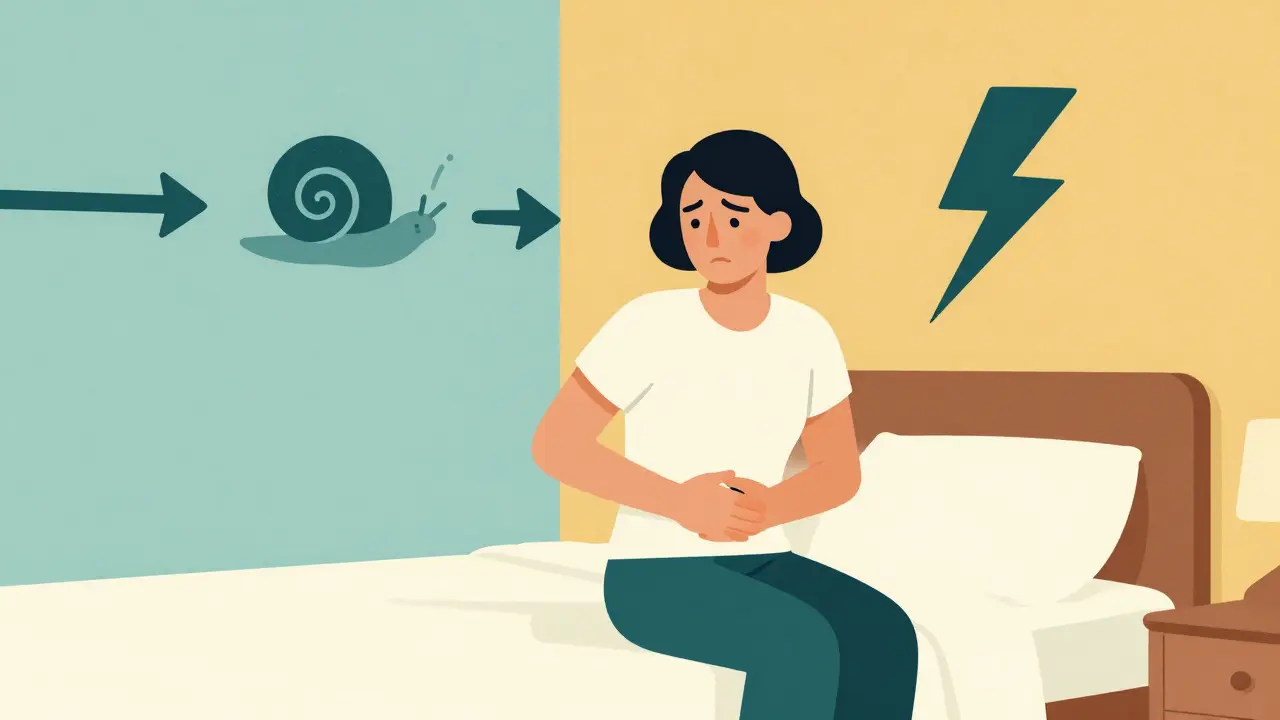
Imagine this: you wake up one morning feeling bloated and backed up, convinced you’re constipated. By dinner, that sensation has flipped completely, and you’re rushing to the bathroom because your stomach is churning with diarrhea. If this sounds familiar, you aren’t imagining things, and you certainly aren’t alone. You likely have IBS-Mixed, a subtype of irritable bowel syndrome characterized by alternating periods of constipation and diarrhea.
This condition is tricky because it defies simple fixes. Taking a laxative for the constipation might trigger a severe diarrhea episode later in the week. Using an anti-diarrheal during a loose-stool flare could leave you stuck with hard, painful stools for days. It’s a balancing act that frustrates many patients and even some doctors. But here’s the good news: while there is no cure, you can manage these symptoms effectively with a targeted, multi-layered approach.
Understanding IBS-Mixed: More Than Just Stomach Aches
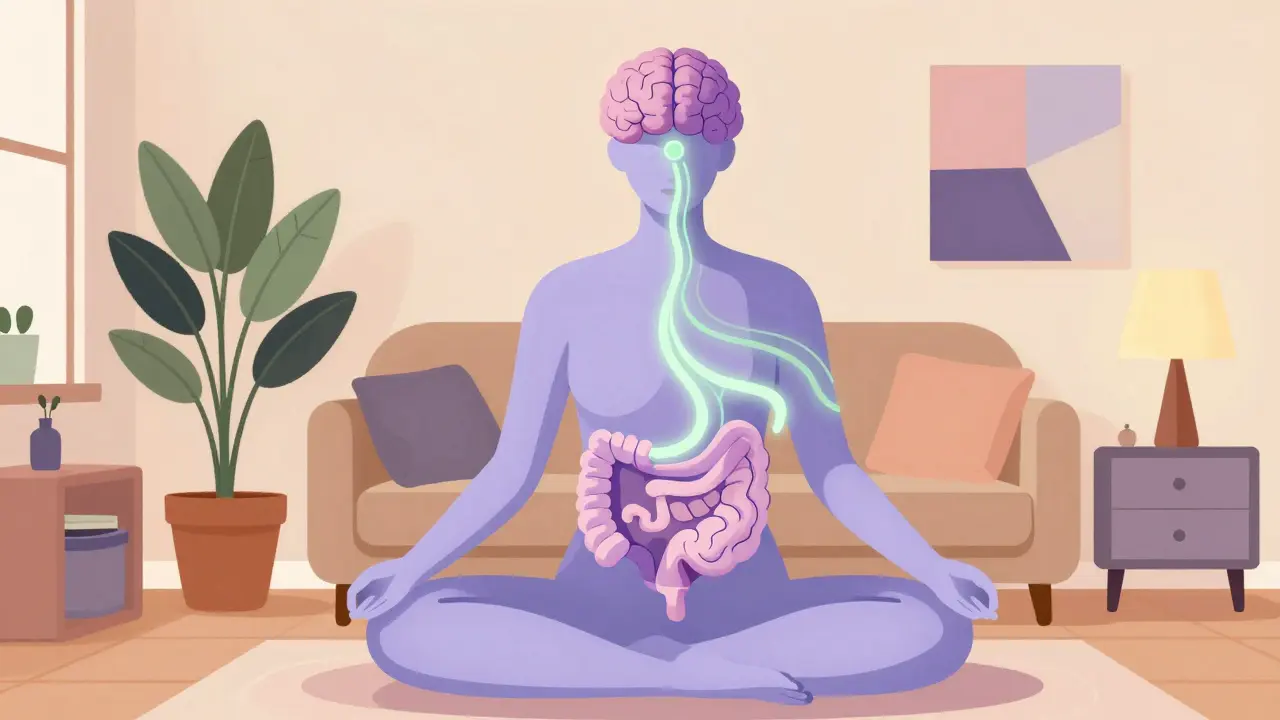
To manage IBS-Mixed, you first need to understand what’s happening inside your body. Unlike inflammatory bowel diseases like Crohn’s or ulcerative colitis, IBS doesn’t cause visible damage or inflammation in your digestive tract. Instead, it’s a disorder of how your gut communicates with your brain.
Your nerves in the gut are hypersensitive. Normal digestion processes feel painful or urgent. At the same time, your gut motility-the speed at which food moves through your intestines-is erratic. Sometimes it slows down too much (constipation), and other times it speeds up excessively (diarrhea). This unpredictability is the hallmark of IBS-M.
According to the Rome IV diagnostic criteria, you fit into the IBS-M category if you experience abdominal pain at least one day per week for the last three months, along with changes in stool frequency and form. Specifically, you must have both hard/lumpy stools (Bristol Stool Scale types 1-2) and loose/watery stools (types 6-7) in at least 25% of your bowel movements.
Why does this matter? Because treating IBS-M requires acknowledging both sides of the coin. Ignoring the constipation part or the diarrhea part will only lead to more frustration. The goal isn’t to stop all movement but to normalize it and reduce the pain associated with the swings.
The Diagnostic Gap: Why It Takes So Long
If you’ve been suffering for years without a clear answer, you’re not an outlier. Studies show the average time to diagnose IBS-M is six to seven years from when symptoms first start. Patients often see three or four different physicians before getting the right label.
This delay happens because doctors often treat the predominant symptom they see in the clinic. If you come in with diarrhea, they might prescribe anti-diarrheals and miss the underlying constipation pattern. If you present with bloating and hardness, they might suggest fiber or laxatives, ignoring the diarrhea risk.
To get an accurate diagnosis, your doctor should rule out other conditions first. This usually involves:
- A complete blood count (CBC) to check for anemia or infection.
- C-reactive protein (CRP) tests to look for inflammation.
- Celiac serology to rule out celiac disease, which mimics IBS symptoms.
- Stool tests to exclude infections or parasites.
Once these are clear, and your symptoms align with the Rome IV criteria, an IBS-M diagnosis is likely. Knowing this allows you to shift from searching for a “cure” to focusing on management strategies that actually work.
Dietary Strategies: The Low FODMAP Approach
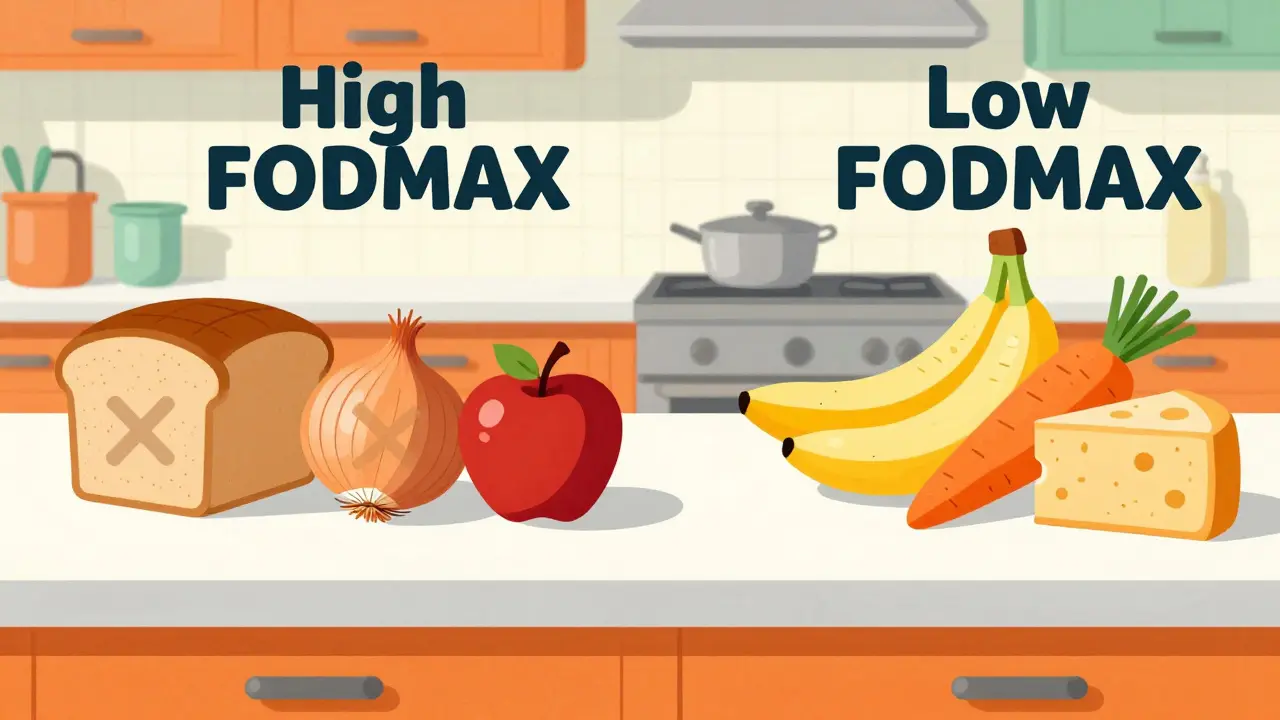
Diet is often the most powerful tool for managing IBS-M. However, random elimination diets rarely work. The gold standard is the Low FODMAP Diet, a structured eating plan that reduces fermentable oligosaccharides, disaccharides, monosaccharides, and polyols. These are short-chain carbohydrates that your small intestine struggles to absorb, leading to fermentation, gas, and water shifts in the gut.
Here’s why it works for IBS-M specifically: High-FODMAP foods can trigger both rapid transit (diarrhea) and bloating/pressure (which feels like constipation). By reducing them, you calm the gut environment.
| Food Group | High FODMAP (Avoid) | Low FODMAP (Safe) |
|---|---|---|
| Grains | Wheat, rye, barley bread/pasta | Rice, oats, quinoa, corn |
| Fruits | Apples, pears, mangoes, watermelon | Bananas (ripe), berries, oranges, kiwi |
| Vegetables | Onions, garlic, cauliflower, mushrooms | Carrots, spinach, zucchini, potatoes |
| Dairy | Milk, yogurt, soft cheeses | Lactose-free milk, hard cheeses, almond milk |
| Sweeteners | Honey, agave, high-fructose corn syrup | Table sugar, maple syrup, stevia |
Don’t just jump on this diet forever. The process has three phases:
- Elimination (2-6 weeks): Strictly avoid high-FODMAP foods to see if symptoms improve.
- Reintroduction (8-12 weeks): Systematically add back specific FODMAP groups to identify your personal triggers.
- Personalization: Create a long-term diet that avoids only the foods that bother you, allowing maximum variety.
Research shows about 50-60% of IBS-M patients see significant improvement with this method. Working with a registered dietitian is highly recommended to ensure you’re getting enough nutrients during the elimination phase.
Medication Management: Balancing Opposing Symptoms
Pharmacological treatment for IBS-M is complex because medications designed for IBS-C (constipation) or IBS-D (diarrhea) don’t always work well for mixed cases. In fact, they can make things worse if used incorrectly.
Antispasmodics: Drugs like dicyclomine or hyoscine help relax the gut muscles, reducing cramping and pain. They are generally safe for IBS-M because they address pain without drastically changing stool consistency. Take them 30 minutes before meals if pain is meal-related.
Antidepressants: Yes, antidepressants. Low-dose tricyclic antidepressants (TCAs) like amitriptyline or SSRIs like fluoxetine are commonly prescribed for IBS. They don’t just treat mood; they modulate the nerve signals between your gut and brain, reducing visceral hypersensitivity. TCAs tend to slow gut transit slightly (helping diarrhea), while SSRIs may speed it up (helping constipation). Your doctor will choose based on your predominant symptom and any mental health needs.
Probiotics: Evidence is mixed, but some strains like Bifidobacterium infantis 35624 have shown benefit in reducing bloating and irregularity in IBS patients. It takes 4-8 weeks to see effects, so patience is key.
What to Avoid: Be cautious with over-the-counter laxatives (like senna) or strong anti-diarrheals (like loperamide) unless directed by a doctor. Loperamide can worsen constipation significantly, and stimulant laxatives can trigger severe diarrhea flares. If you must use them, keep them as rescue meds, not daily staples.
The Gut-Brain Connection: Stress and CBT
You’ve probably heard “stress causes stomach issues.” For IBS-M, this isn’t just a saying-it’s physiology. Stress activates the vagus nerve, which directly influences gut motility and sensitivity. A 2019 study found that 68% of IBS-M patients report symptom worsening during stressful periods.
This is where Cognitive Behavioral Therapy (CBT) comes in. CBT isn’t about “thinking your way out” of physical symptoms. It’s a structured therapy that helps you change the way your brain interprets gut signals. When your brain perceives normal gas or movement as a threat, it amplifies the pain and urgency. CBT retrains this response.
Other stress-reduction techniques include:
- Gut-directed hypnotherapy: Shown to reduce pain and bloating in nearly 70% of patients.
- Mindfulness meditation: Helps lower overall anxiety levels, reducing gut reactivity.
- Regular exercise: Moderate activity like walking or yoga helps regulate bowel movements and reduces stress hormones.
Ignoring the psychological component often leads to suboptimal outcomes. Treating the gut and the brain together yields the best results.
Practical Daily Management Tips
Managing IBS-M is a marathon, not a sprint. Here are practical steps to take control:
1. Keep a Symptom Diary: Track your bowel movements using the Bristol Stool Scale, note pain levels (0-10), and log what you ate. Apps like Cara Care or simple notebooks work. After 4 weeks, patterns emerge. You might discover that dairy triggers diarrhea, while lack of fiber triggers constipation.
2. Hydrate Wisely: Drink plenty of water throughout the day. Dehydration worsens constipation, while sugary drinks can trigger diarrhea. Aim for 6-8 glasses daily.
3. Eat Regular Meals: Skipping meals disrupts the gastrocolic reflex, which stimulates bowel movements after eating. Consistent meal times help regulate your rhythm.
4. Manage Fiber Intake Carefully: Soluble fiber (like psyllium husk) is generally better tolerated than insoluble fiber (like bran). Start with a small dose (5g daily) and increase slowly. Insoluble fiber can irritate the gut and worsen symptoms in IBS-M.
5. Plan for Emergencies: Always carry a small kit with wipes, a change of underwear, and perhaps a trusted medication. Knowing you’re prepared reduces anxiety, which in turn reduces symptoms.
When to See a Doctor Again
While IBS-M is chronic, certain “red flag” symptoms require immediate medical attention to rule out serious conditions:
- Unexplained weight loss
- Blood in your stool
- Anemia (low iron)
- Pain that wakes you up at night
- Family history of colorectal cancer or inflammatory bowel disease
- Onset of symptoms after age 50
If any of these occur, don’t assume it’s just IBS. Get tested.
Can IBS-Mixed be cured?
No, there is currently no cure for IBS-Mixed. It is a chronic functional disorder. However, symptoms can be effectively managed and controlled through a combination of dietary changes, stress management, and targeted medications, allowing most people to live normal lives.
What is the best diet for IBS-M?
The Low FODMAP diet is considered the most effective dietary intervention. It involves eliminating fermentable carbohydrates for 2-6 weeks, then systematically reintroducing them to identify personal triggers. This approach helps calm both constipation and diarrhea symptoms by reducing gut fermentation and gas.
Do antidepressants help with IBS?
Yes, low-dose antidepressants like tricyclic antidepressants (TCAs) or SSRIs are commonly prescribed for IBS. They work by modulating the nerve signals between the gut and brain, reducing pain sensitivity and helping regulate bowel motility. They are not necessarily prescribed for depression in this context.
How long does it take to diagnose IBS-Mixed?
Unfortunately, the average time to diagnosis is 6-7 years. This delay occurs because symptoms are variable and often misattributed to other conditions. Early diagnosis involves ruling out celiac disease, inflammatory bowel disease, and infections through blood and stool tests.
Can stress make IBS-Mixed worse?
Absolutely. Stress directly affects gut motility and sensitivity via the gut-brain axis. Many patients report symptom flares during stressful periods. Techniques like cognitive behavioral therapy (CBT), mindfulness, and regular exercise can significantly reduce symptom severity.
Should I take fiber supplements for IBS-M?
Soluble fiber supplements like psyllium husk can help regulate bowel movements and are generally well-tolerated. However, insoluble fiber (like wheat bran) can worsen symptoms. Start with a low dose of soluble fiber and increase gradually to avoid bloating.