
For over 40 years, generic drugs have been saving the U.S. healthcare system billions. Today, they make up 90% of all prescriptions filled-but only 22% of total drug spending. That’s a massive cost savings. So why do so many doctors still hesitate to prescribe them?
The problem isn’t the science. The FDA and EMA both require generics to prove they’re bioequivalent to brand-name drugs. That means the active ingredient must hit the bloodstream at the same rate and amount, within strict limits: 80% to 125% of the brand’s performance. The science is solid. But the education? Not so much.
What Doctors Are Actually Taught (And What They’re Not)
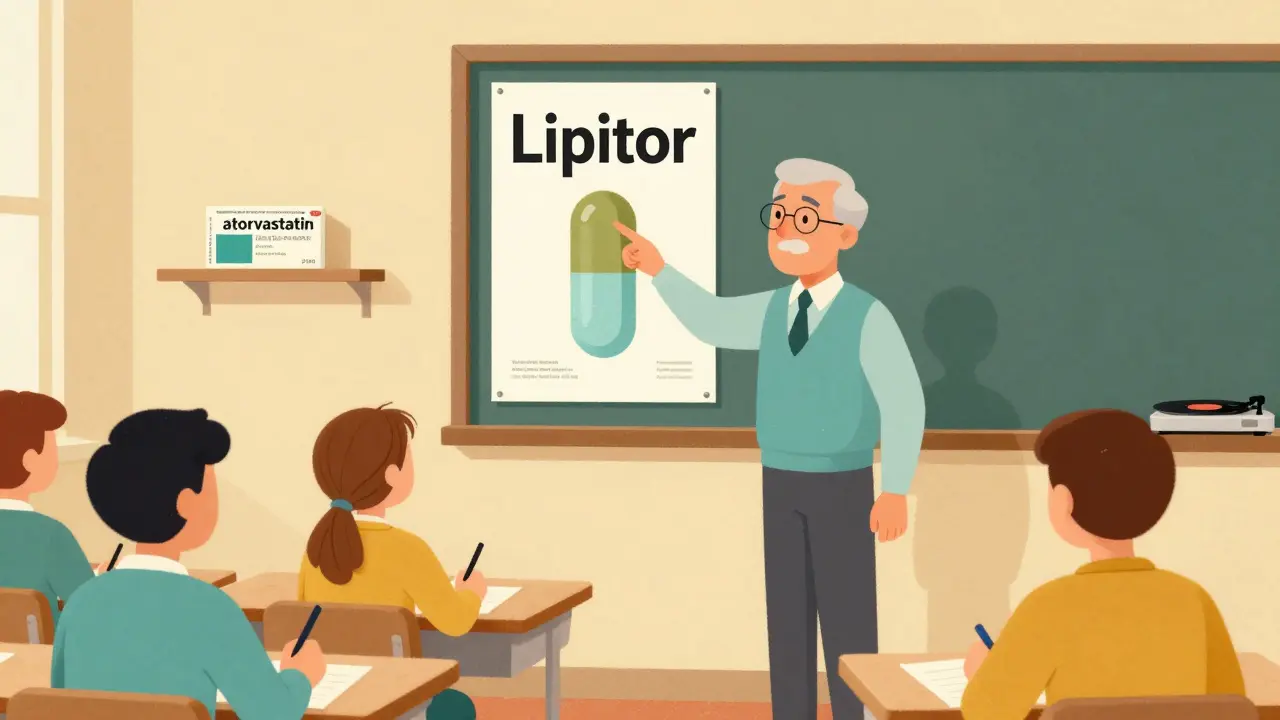
Most medical students learn pharmacology through brand-name drugs. Case studies use Lipitor, not atorvastatin. Prescribing examples show Zoloft, not sertraline. A 2023 analysis by the AAMC found that 78% of clinical case materials use brand names. That’s not an accident-it’s the norm. By the time a doctor graduates, they’ve spent hundreds of hours learning how brand-name drugs work, but less than 30 minutes on how generics are approved.
One doctor on JAMA Internal Medicine’s blog put it bluntly: "My pharmacology course spent 12 hours on brand-name drug mechanisms but less than 30 minutes on generic substitution principles." That’s not a gap. That’s a chasm.
What’s missing? Basic bioequivalence. Doctors aren’t taught what 80-125% actually means. They don’t understand that a generic drug with 95% bioavailability is just as safe and effective as one with 105%. They’re not trained to read the FDA’s bioequivalence reports. And they’re rarely shown how to explain it to patients in plain language.
The Knowledge Gap Is Real-And It’s Growing
A 2024 Medscape poll of nearly 4,000 physicians found that while 89% agreed generics are "generally equivalent," only 54% felt "completely confident" explaining bioequivalence to a patient. And only 31% regularly use International Nonproprietary Names (INN) when writing prescriptions.
That’s not just ignorance-it’s fear. A 2024 Sermo survey of over 1,200 doctors revealed that 68% have "occasional concerns" about generic performance. The top worries? Warfarin (42.3%) and levothyroxine (37.8%). These are narrow therapeutic index drugs, where small changes in blood levels can matter. But here’s the catch: the FDA applies the same 80-125% standard to these drugs as it does to antibiotics or blood pressure meds. The science doesn’t make exceptions.
Still, stories stick. In 2016, some patients reported reduced effectiveness with a specific generic version of Concerta (methylphenidate). The FDA investigated. The generic met all bioequivalence standards. But the perception stuck. One neurologist on Doximity wrote: "I stopped automatically substituting methylphenidate generics after three patients reported reduced efficacy with the Teva version, despite identical dosing."
That’s the problem. One bad experience-real or perceived-can override years of regulatory science. And without training on how to interpret data, doctors default to what they know: the brand name.
Why Education Fails-Even When It’s Offered
Some schools try. A 2015 study in Malaysia gave 30 doctors a 45-minute interactive lecture on generics. Afterward, their knowledge scores jumped from 58.7% to 84%. That’s impressive. But their prescribing habits? Didn’t change. Why?
Because knowledge doesn’t equal behavior. The doctors still wrote prescriptions for brand-name drugs. Why? "Junior doctors might follow senior doctors’ prescribing style," the researchers found. Culture beats curriculum.
Another study showed printed guidelines alone improved prescribing rates by just 7.2%. A 45-minute lecture? 25% knowledge gain. But real change? That takes repetition, feedback, and integration into daily workflow.
What works? The teach-back method. Ask the patient: "Can you tell me why we’re switching to the generic?" One family doctor on Reddit reported a 63% drop in patient questions after starting this practice. Why? Because it turns passive learning into active understanding-for both patient and provider.
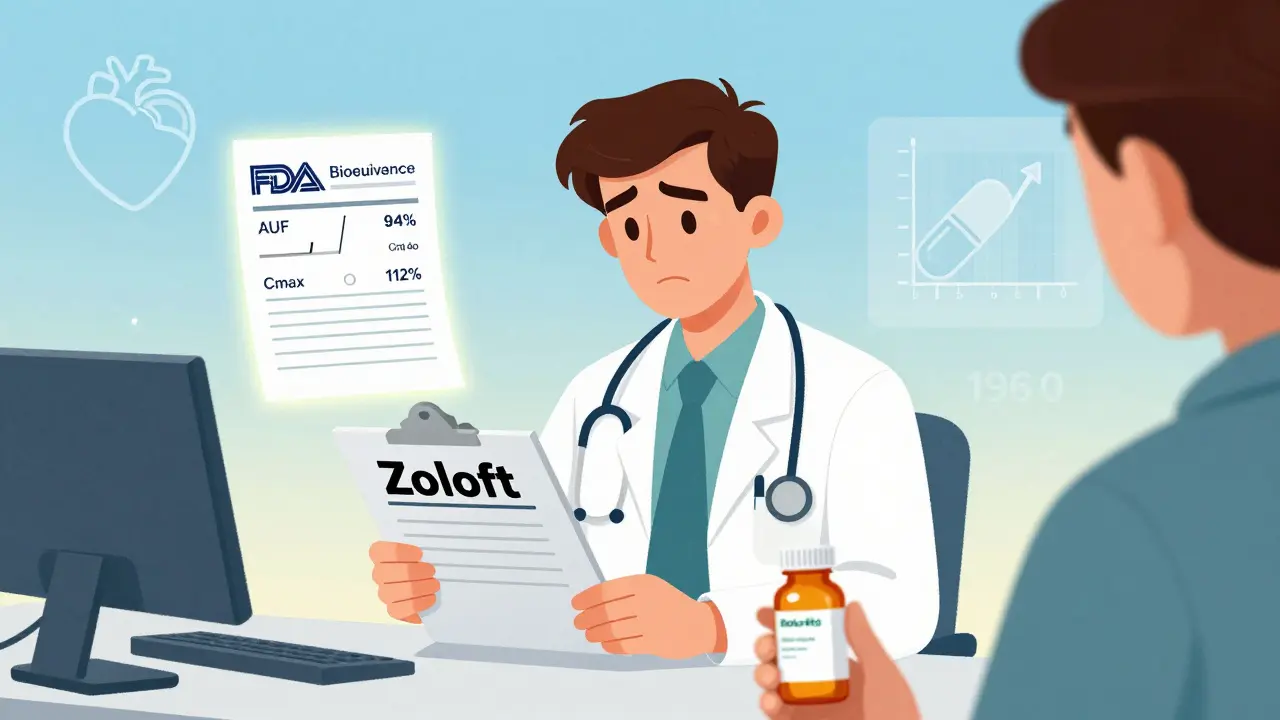
Another solution? Electronic health record (EHR) alerts. If your system pops up a note saying, "This generic met FDA bioequivalence standards-AUC 92%, Cmax 108%," you’re more likely to trust it. But only 38% of U.S. healthcare systems had this feature in 2022.
What’s Changing-and What’s Not
There are signs of progress. The FDA launched a new "Generic Drug Education for Healthcare Professionals" initiative in 2023: 15-minute microlearning modules on bioequivalence. The Agency for Healthcare Research and Quality (AHRQ) released updated prescribing guidelines in February 2024, pushing for INN use and teach-back. Karolinska Institute in Sweden now requires INN prescribing in medical school evaluations-and saw a 47% increase in generic prescribing among graduates.
But the biggest barrier isn’t information. It’s time. Doctors spend 12 to 18 seconds per prescription decision. There’s no time to dig into bioequivalence reports. No time to explain the science. No time to override ingrained habits.
And the system doesn’t help. Insurance companies push generics. Pharmacy benefit managers incentivize them. But the medical education system? Still stuck in the 1990s.
What Needs to Change
Here’s what actually works:
- Start early. Medical schools must integrate generic drug science into pharmacology from day one-not as a sidebar, but as a core topic. Use real FDA bioequivalence data in case studies.
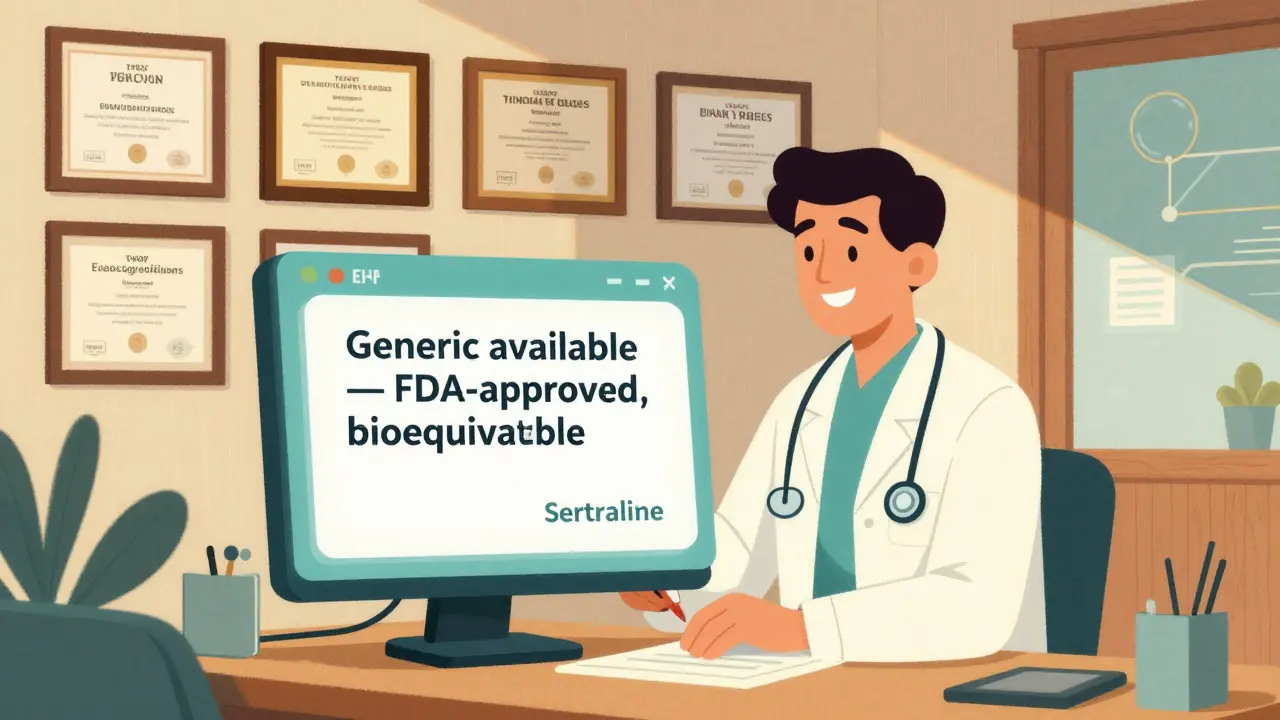
- Require INN prescribing. Make students write "sertraline," not "Zoloft." Force them to think in generic terms.
- Teach with feedback. Use the teach-back method in rotations. Have residents explain why they chose a generic to a patient-and then get coached on how to do it better.
- Embed support in EHRs. When a doctor selects a brand-name drug, the system should auto-populate: "A generic is available. Bioequivalence data: AUC 94%, Cmax 112%. FDA-approved."
- Stop the stigma. Don’t treat generics as "second-best." They’re not cheaper versions-they’re scientifically equivalent alternatives.
One neurologist told me, "I used to avoid generics for epilepsy patients. Now I check the FDA’s bioequivalence report before I prescribe. If it’s approved, I trust it."
That’s the shift we need. Not more lectures. Not more pamphlets. But real, practical, embedded training that turns knowledge into habit.
The Bottom Line
Doctors don’t distrust generics because they’re unscientific. They distrust them because they weren’t taught to understand them.
The science is clear. The savings are massive. The tools exist. What’s missing is consistent, hands-on education that starts in medical school and follows doctors into practice.
If we want generics to reach their full potential, we need to fix the education-not just the policy.
Do generic drugs work as well as brand-name drugs?
Yes. The FDA requires generic drugs to prove bioequivalence-meaning they deliver the same amount of active ingredient into the bloodstream at the same rate as the brand-name version. This is measured through strict pharmacokinetic studies in healthy volunteers, with results falling within 80-125% of the brand’s performance. Thousands of studies and decades of real-world use confirm that generics are just as safe and effective.
Why do some doctors still prefer brand-name drugs?
Many doctors were trained using brand names in textbooks and case studies, so they’re more familiar with them. Some also recall isolated patient reports-like the 2016 Concerta situation-where patients claimed reduced effectiveness with a specific generic. Even though the FDA confirmed the generic met all standards, those experiences stick. Without training on how to interpret bioequivalence data, doctors default to what feels safer: the brand.
Are there any drugs where generics aren’t recommended?
The FDA approves generics for all drug classes, including those with narrow therapeutic indexes like warfarin, levothyroxine, and antiepileptics. There’s no scientific basis for avoiding generics in these cases. However, some specialists, like neurologists or cardiologists, may be more cautious due to patient history or personal experience. The key is individualized care-not blanket avoidance. If a patient is stable on a brand-name drug, switching isn’t necessary. But if they’re not, switching to a generic is safe and supported by evidence.
What’s the difference between a generic and a brand-name drug?
The active ingredient is identical. The difference is in the inactive ingredients-fillers, dyes, coatings-which can affect how the pill looks or tastes, but not how the medicine works. Generic manufacturers are required to prove these differences don’t impact safety or effectiveness. The FDA inspects their factories just like brand-name ones.
How can doctors improve their knowledge of generics?
Start with the FDA’s free online microlearning modules. Use the teach-back method with patients to reinforce understanding. Ask pharmacists for bioequivalence summaries when unsure. Push for EHR alerts that show generic approval data at the point of prescribing. And advocate for INN prescribing in your institution. Small changes, repeated over time, build confidence.
Do generics cost less because they’re lower quality?
No. Generics cost less because they don’t need to repeat expensive clinical trials. The original manufacturer already proved the drug works. Generic companies only need to prove their version delivers the same active ingredient the same way. The FDA holds them to the same manufacturing standards. A generic pill isn’t cheaper because it’s weaker-it’s cheaper because the research was already paid for.
Doctors are not resistant to change. They’re resistant to being unprepared for it. When education catches up to science, prescribing will too.
Jake Kelly
January 10, 2026 AT 06:29Generics are just as good-it’s the system that’s broken, not the science. I’ve prescribed them for a decade and never had a patient report issues that weren’t placebo or adherence-related.
Lisa Cozad
January 10, 2026 AT 13:21I’m a family nurse practitioner and we started using EHR alerts last year. Suddenly, my generic prescribing jumped from 40% to 82%. The data pops up right when I’m writing the script-no extra thinking required. It’s stupid simple, and it works.
anthony martinez
January 12, 2026 AT 05:55So let me get this straight-we’ve got a $400 billion savings opportunity, but doctors are still writing ‘Zoloft’ because they learned it in 2005 and their attending still calls it that? The medical education system is a time capsule with a side of malpractice fear.
Mario Bros
January 13, 2026 AT 04:16My residency program made us use INNs for all prescriptions. At first I thought it was annoying. Now I can’t stand seeing brand names. It’s like using ‘Kleenex’ for tissue-lazy and outdated. We’re not selling cereal, we’re prescribing medicine.
Saumya Roy Chaudhuri
January 13, 2026 AT 23:01Let’s be real-this isn’t about education. It’s about laziness disguised as caution. If you’re scared of a generic because a patient *felt* worse, you’re not being careful-you’re being superstitious. The FDA doesn’t care what your gut says. It cares about AUC and Cmax. Learn the numbers or stop prescribing.
Christine Milne
January 15, 2026 AT 16:31As an American physician who trained at Johns Hopkins, I find this entire discussion embarrassingly naive. The FDA’s bioequivalence standards are not only rigorous-they are the global gold standard. To suggest American doctors are somehow uniquely ignorant is not just inaccurate, it’s an affront to the integrity of U.S. medical training. Generics are not ‘second-best’-they are the embodiment of scientific rigor and fiscal responsibility. The notion that a 30-minute lecture could change behavior ignores the decades of clinical experience and pattern recognition that define competent prescribing. The real issue is not education-it is the erosion of clinical autonomy by bureaucratic mandates and pharmacy benefit managers who prioritize cost over context. We do not need more microlearning modules-we need more respect for the physician’s judgment.
Faith Edwards
January 16, 2026 AT 16:51Oh, darling, let’s not pretend this is about science. This is about the aristocracy of pharmaceutical marketing-those glossy brochures, the free lunches, the reps with their pens and samples-while the generic manufacturers are stuck in a warehouse with a PDF of a bioequivalence report. Doctors don’t distrust generics because they’re uneducated; they distrust them because they’ve been conditioned to equate brand with prestige. And let’s not forget: the same doctors who preach ‘evidence-based medicine’ still reach for the most expensive option because it’s the one that glows in their mind’s eye. The solution? Ban all pharmaceutical reps from campuses. Mandate INN-only textbooks. And make every resident memorize the FDA’s bioequivalence thresholds before they touch a stethoscope. Anything less is complicity.
Jay Amparo
January 17, 2026 AT 15:58I’m from India, where generics are the norm-and I’ve seen patients thrive on them for decades. But here’s the secret: it’s not about the pill. It’s about the conversation. When I sit down with a patient and say, ‘This is the same medicine, just without the marketing,’ and then ask them to explain it back to me in their own words? That’s when trust builds. Not from a slide deck. Not from an alert. From human connection. I’ve trained 12 residents this way. Every single one now prescribes generics without hesitation. Because they’ve seen the look on a patient’s face when they realize they’re not being overcharged. That’s the real curriculum.
Jake Nunez
January 18, 2026 AT 09:02My grandfather was a pharmacist in rural Texas. He used to say, ‘If the bottle says ‘atorvastatin’ and the script says ‘Lipitor,’ don’t argue-just hand them the generic and say, ‘This is the same stuff, just cheaper.’ Then watch them smile. No lecture needed. Just honesty and a little pride in saving them money.’ I still do that. Works every time.