
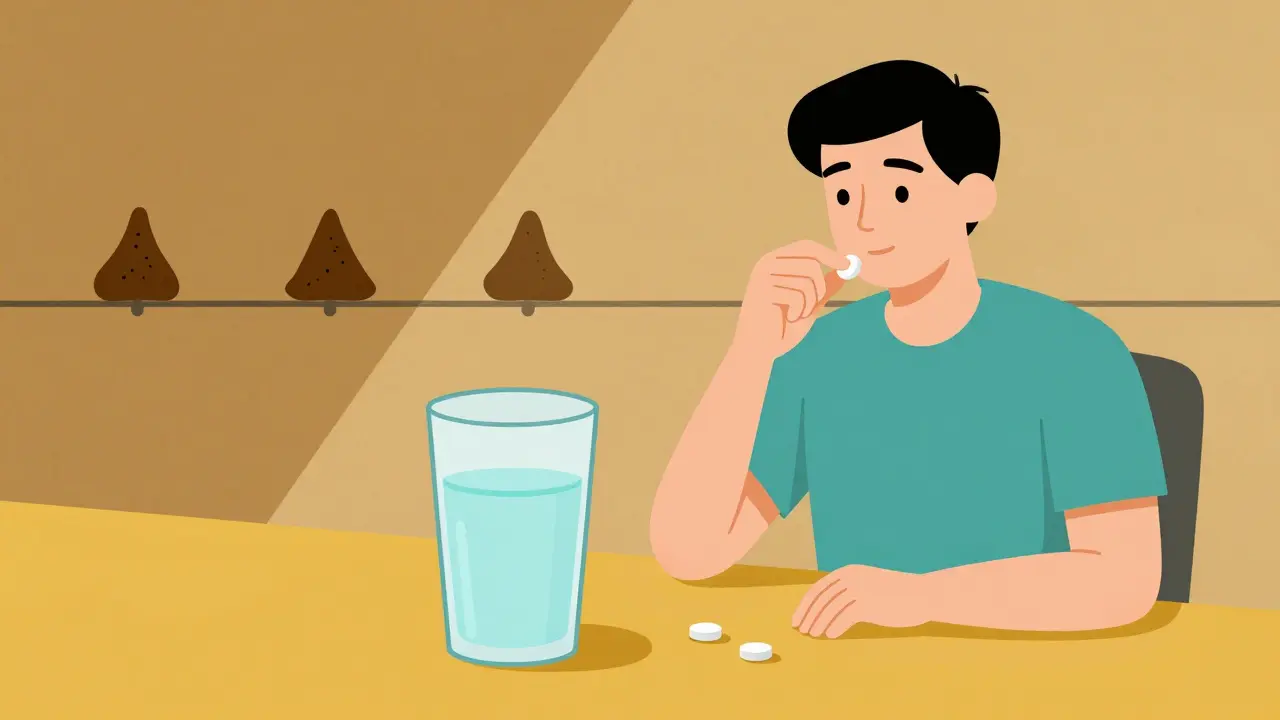
Diarrhea isn’t always a bug you caught at the restaurant. Sometimes, it’s a side effect of the medicine you’re taking to treat something else. Medication-induced diarrhea (MID) affects up to 80% of people on certain cancer drugs, and 1 in 3 people on antibiotics. It’s not just inconvenient-it can land you in the hospital, delay life-saving treatments, or even become life-threatening if ignored.
What Causes Medication-Induced Diarrhea?
Not all diarrhea is the same. When a drug messes with your gut, it can trigger loose stools in several ways. The most common culprits are:- Chemotherapy drugs like irinotecan and 5-fluorouracil-these damage the lining of your intestines, making it leak fluid and move contents too fast.
- Antibiotics like amoxicillin or clindamycin-these kill off good gut bacteria, letting harmful ones like Clostridioides difficile take over.
- Immunotherapy drugs like pembrolizumab-these can trigger inflammation in the colon, leading to watery stools and cramping.
- Metformin (for diabetes), proton pump inhibitors (like omeprazole), and even some blood pressure meds can also cause it.
The key? It’s not about how many times you go to the bathroom-it’s about how much it changes from your normal pattern. If you suddenly have 4 or more loose stools a day when you usually go once, that’s a red flag.
How Doctors Grade the Severity
Doctors don’t just say “you have diarrhea.” They grade it so they know how urgent it is:- Grade 1: Up to 3 extra stools per day. Mild. Usually safe to manage at home.
- Grade 2: 4 to 6 stools a day, maybe some cramping. Needs action now.
- Grade 3: 7 or more stools a day, incontinence, or you’re dehydrated enough to need hospital care.
- Grade 4: Life-threatening-low blood pressure, kidney failure, sepsis. Requires emergency treatment.
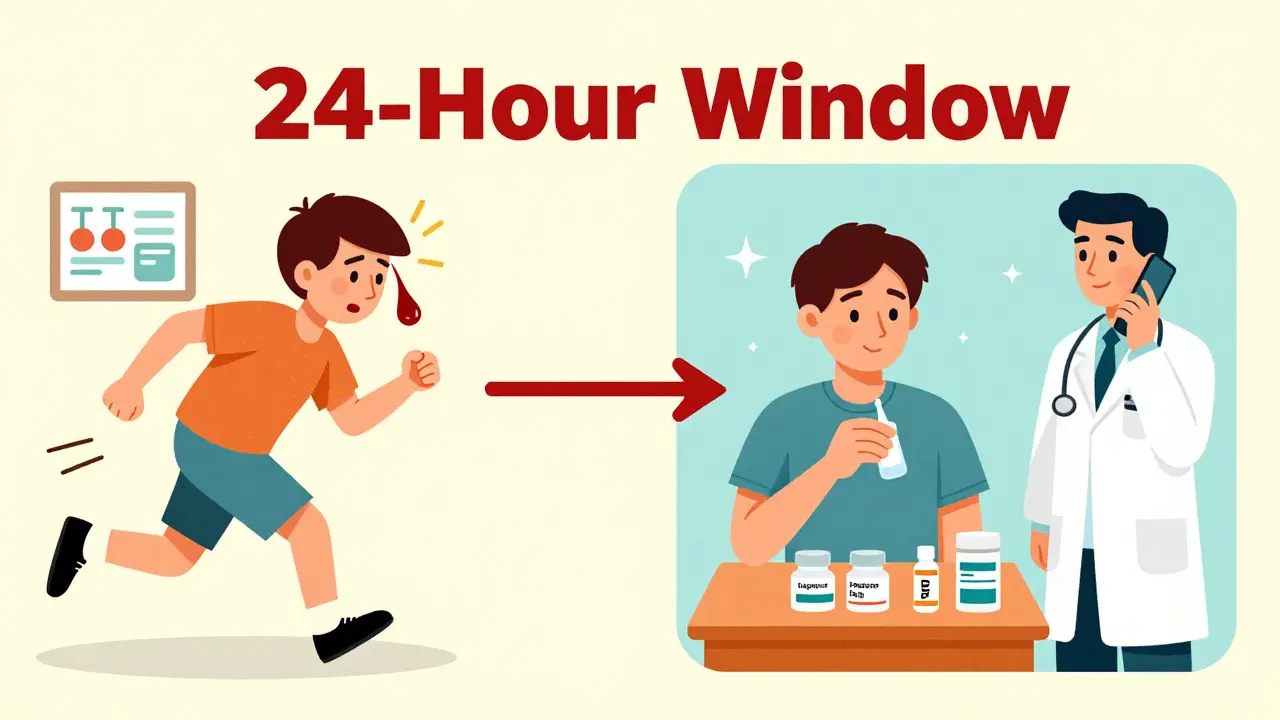
Waiting too long to act is the biggest mistake. Patients who wait more than 24 hours to start treatment are over 3 times more likely to end up in the hospital.
First-Line Treatment: Loperamide (Imodium)
If you’re on chemo or antibiotics and notice loose stools, don’t wait. Start loperamide right away.Here’s what works:
- Take 4 mg immediately when you notice the first loose stool.
- Then take 2 mg every 4 hours while awake, after each loose stool.
- Do not exceed 16 mg per day unless you’re on irinotecan-then you can go up to 24 mg.
This isn’t guesswork. A 2004 study in the Journal of Clinical Oncology showed that starting loperamide within 24 hours stops grade 2 diarrhea from becoming grade 3 in 78% of cases.
But loperamide has limits. If you’ve been taking it for more than 48 hours and it’s not working, keep going. It won’t help anymore-and it might even cause a dangerous bowel blockage. Stop and call your doctor.
When Loperamide Fails: Octreotide
If you’re having 7 or more stools a day, or you’re vomiting, dizzy, or have a fever, loperamide won’t cut it. That’s when you need octreotide.Octreotide is a shot you give yourself under the skin. It works by slowing down your gut’s movement and reducing fluid leakage. It’s not fun-some people get pain at the injection site-but it’s the most effective tool for severe cases.
Here’s the protocol:
- Dose: 100-150 mcg injected under the skin three times a day.
- Start within 4 hours of severe diarrhea starting. Delaying cuts your chances of avoiding hospitalization by 35%.
- If no improvement in 24 hours, your doctor may increase the dose or switch to a continuous IV infusion.
Studies show octreotide works in 60-95% of severe chemotherapy-induced diarrhea cases. That’s why top cancer centers like MD Anderson and Yale have it built into their standard protocols.

What NOT to Do
There are dangerous myths about treating diarrhea. Don’t fall for them:- Don’t use loperamide if you have a fever, bloody stools, or recent antibiotic use. That could be C. diff-and loperamide can trap the toxin in your gut, leading to toxic megacolon. The IDSA Guidelines say this increases your risk by over 4 times.
- Don’t take bismuth subsalicylate (Pepto-Bismol) if you have kidney problems or are allergic to aspirin. It can build up to toxic levels.
- Don’t stop your cancer or antibiotic treatment without talking to your doctor. Diarrhea is manageable. Giving up on treatment isn’t the answer.
Diet and Hydration: The Silent Heroes
Medications wreck your gut. But what you eat and drink can help you recover faster.For the first 24-48 hours:
- Avoid dairy, fatty foods, caffeine, and spicy meals. They make diarrhea worse.
- Drink oral rehydration solutions (ORS). Not Gatorade. Not coconut water. Use a mix with 75 mmol/L sodium, 75 mmol/L glucose, and 20 mmol/L potassium-this is what the World Health Organization recommends.
- One packet mixed in 200 mL of clean water, taken after every loose stool, replaces lost salts and fluids better than anything else.
- Keep a bottle by your bed. Nighttime dehydration is common and dangerous.
Patients who follow this simple rule reduce hospital visits by nearly half, according to a 2021 study in JAMA Oncology.
Antibiotic-Associated Diarrhea and C. diff
If you started antibiotics and now have diarrhea, it’s not always “just a side effect.” Clostridioides difficile (C. diff) is a serious infection that can follow antibiotic use.Here’s how to tell:
- Diarrhea lasting more than 48 hours
- Fever over 38.5°C
- Bloody stools
- Severe abdominal pain
If you have any of these, get a stool test. Never use loperamide or octreotide until infection is ruled out.
First-line treatment for C. diff? Vancomycin-125 mg four times a day for 10 days. It cures 97% of cases. Metronidazole (cheaper, but less effective) is no longer the go-to. The IDSA/SHEA 2017 Guidelines made this clear.
What About Probiotics?
You’ve seen ads for probiotics to “restore gut balance.” Do they work?Yes-but only for specific strains:
- Lactobacillus rhamnosus GG and Saccharomyces boulardii have proven benefits.
- They reduce the risk of antibiotic diarrhea by about 50%.
- But most store-bought probiotics? They don’t contain these strains. Check the label.
The American Gastroenterological Association says probiotics are worth trying for prevention-but not for treating active diarrhea. Don’t use them as a substitute for loperamide or octreotide.
What’s New in 2025?
Medicine doesn’t stand still. Here’s what’s changed recently:- Onercept-a new drug approved by the FDA in 2023-reduces severe diarrhea by 63% in chemo patients. It’s still rare, but it’s coming to major hospitals.
- Neomycin prophylaxis is now recommended for high-risk patients on irinotecan. Taking 660 mg three times a day for 2 days before chemo cuts diarrhea rates from 65% to 32%.
- SER-109, a microbiome therapy made from purified gut bacteria, is now FDA-approved to prevent C. diff from coming back. It cuts recurrence from 40% to just 12%.
- UGT1A1 genetic testing is now available to predict who’s at risk for irinotecan toxicity. If you have a certain gene variant, your doctor can lower your dose before you even start treatment.
Practical Tips from Real Patients
People who’ve been through this share what actually helps:- “Pre-mix your octreotide shots the night before. When you’re shaking and sweating at 3 a.m., you don’t want to fumble with vials.”
- “Keep a diary. Write down how many stools, what you ate, and when you took meds. It helps your doctor spot patterns.”
- “Don’t be shy about calling your oncologist at night. They’ve seen this a thousand times.”
- “Use electrolyte packets. Not juice. Not tea. Real rehydration solution.”
A 2022 Mayo Clinic survey found that patients who followed a clear step-by-step plan were 78% less likely to end up in the ER.
When to Call Your Doctor
You don’t need to wait until you’re collapsing. Call your provider if:- Diarrhea lasts more than 24 hours
- You have 4 or more loose stools in 24 hours
- You have a fever above 38.5°C
- You feel dizzy, weak, or your heart is racing
- You see blood in your stool
- Loperamide isn’t helping after 48 hours
Delaying care is the most common reason people end up in the hospital. Don’t be one of them.
Final Thoughts
Medication-induced diarrhea is common, but it’s not inevitable. With the right steps-early loperamide, proper hydration, knowing when to use octreotide, and ruling out infection-you can stay out of the hospital and keep your treatment on track.This isn’t about waiting for symptoms to get worse. It’s about acting fast, knowing the rules, and speaking up. Your body is fighting two battles at once: the disease and the side effect. Don’t let diarrhea win the second one.
Can loperamide be used for diarrhea caused by antibiotics?
Only if you’ve ruled out C. diff infection. If you have a fever, bloody stools, or diarrhea lasting more than 48 hours after starting antibiotics, do not use loperamide. It can trap toxins in your colon and cause toxic megacolon. Always get a stool test first.
How long should I take loperamide for medication-induced diarrhea?
Take loperamide only until your stools firm up or for up to 48 hours. If it’s not working by then, stop and contact your doctor. Using it longer than 48 hours increases your risk of bowel blockage, especially if you’re elderly or on other medications that slow gut movement.
Is octreotide safe for long-term use?
Octreotide is not meant for long-term daily use. It’s for acute, severe episodes. Long-term use can cause gallstones, high blood sugar, and nutrient malabsorption. Once your diarrhea is under control, your doctor will taper you off. If you need ongoing control, they’ll explore other options like diet changes or newer drugs like onercept.
Can probiotics prevent diarrhea from chemotherapy?
No. Probiotics are not proven to prevent chemotherapy-induced diarrhea. They may help with antibiotic-related diarrhea if you use the right strains (Lactobacillus rhamnosus GG or Saccharomyces boulardii), but they won’t stop side effects from cancer drugs. Stick to loperamide and hydration for chemo diarrhea.
What should I do if I can’t afford octreotide?
Talk to your oncology nurse or social worker. Many hospitals have patient assistance programs that provide octreotide for free or at low cost. Some pharmacies offer generics or coupons. Never skip treatment because of cost-delaying care leads to higher expenses later through hospitalizations.
Are there any natural remedies that work for medication-induced diarrhea?
No. There’s no scientific proof that ginger, peppermint, or charcoal help with medication-induced diarrhea. In fact, some herbal supplements can interact with your meds. Stick to proven treatments: loperamide, octreotide, oral rehydration, and medical guidance. Natural doesn’t mean safe or effective here.
How do I know if my diarrhea is from my medication or something else?
Track your timing. If diarrhea started within days of beginning a new medication, it’s likely related. But if you also have fever, vomiting, or recent travel, it could be an infection. Always get tested if you’re unsure. Your doctor will check for C. diff, viruses, or parasites before assuming it’s medication-related.
Celia McTighe
December 28, 2025 AT 13:06OMG I literally cried reading this 😭 I was on chemo and thought I was just ‘being dramatic’ about my runs to the bathroom… turned out I was Grade 3 and didn’t even know it. Loperamide saved me. Don’t wait like I did. Call your doc at 2 a.m. if you need to. You’re not overreacting.
Ryan Touhill
December 29, 2025 AT 22:44It’s amusing how modern medicine has devolved into a pharmacopeia of Band-Aid solutions. Loperamide? Octreotide? How quaint. The real issue is the systemic degradation of gut flora due to industrialized food, environmental toxins, and the pharmaceutical-industrial complex’s profit-driven agenda. You’re treating symptoms while ignoring the root cause: a society that outsources health to pills.
Nicole Beasley
December 30, 2025 AT 22:04Wait-so Saccharomyces boulardii actually works? I’ve been taking that random probiotic from the grocery store for months and nothing changed. Time to check the label… thanks for the clarity!
James Hilton
January 1, 2026 AT 14:01So let me get this straight-you’re telling me the cure for chemo diarrhea is… Imodium? 🤡 I thought we were fighting cancer, not a 7-Eleven slurpee addiction.
Kelsey Youmans
January 2, 2026 AT 10:52Thank you for this meticulously researched and clinically grounded exposition. The distinction between medication-induced diarrhea and infectious etiologies is paramount, and the adherence to IDSA guidelines demonstrates a commendable commitment to evidence-based practice. I shall distribute this to my colleagues in oncology nursing.
Sydney Lee
January 3, 2026 AT 01:27Anyone else notice how this entire post is a corporate-sponsored pamphlet disguised as medical advice? Loperamide? Octreotide? Who profits from this? Big Pharma, of course. And don’t get me started on ‘oral rehydration solutions’-why not just drink broth like humans did for 10,000 years? This is medical gaslighting dressed as empowerment.
oluwarotimi w alaka
January 3, 2026 AT 22:24USA only talk about Imodium and octreotide… but in Nigeria we use bitter leaf and neem tea… you think they teach this in your fancy hospitals? No. They want you dependent on pills. This is colonial medicine. We know herbs work better.
Debra Cagwin
January 5, 2026 AT 01:25This is exactly the kind of clear, compassionate guide that makes a difference. If you’re reading this and feeling overwhelmed-you’re not alone. Take it one step at a time. Mix your ORS. Write in your diary. Call your nurse. You’re doing better than you think. And if you need someone to talk to? I’m here.
Hakim Bachiri
January 6, 2026 AT 16:17Wait… so you’re telling me… that… a… *drug*… can cause… diarrhea?!!?!?!? I mean… come on… that’s like saying water is wet… I’ve been on metformin for 12 years and never thought… oh wait… I’ve had this issue since day one… why didn’t anyone tell me?!?!?!?!
Teresa Marzo Lostalé
January 7, 2026 AT 08:11It’s funny how we treat the body like a machine that breaks down when you press the wrong button. But maybe it’s not broken… maybe it’s just trying to tell you something. Loperamide stops the leak… but what if the leak was the body’s way of saying ‘this isn’t right’? Still… I’ll take the Imodium. At least I get to keep my dignity. 🤷♀️