
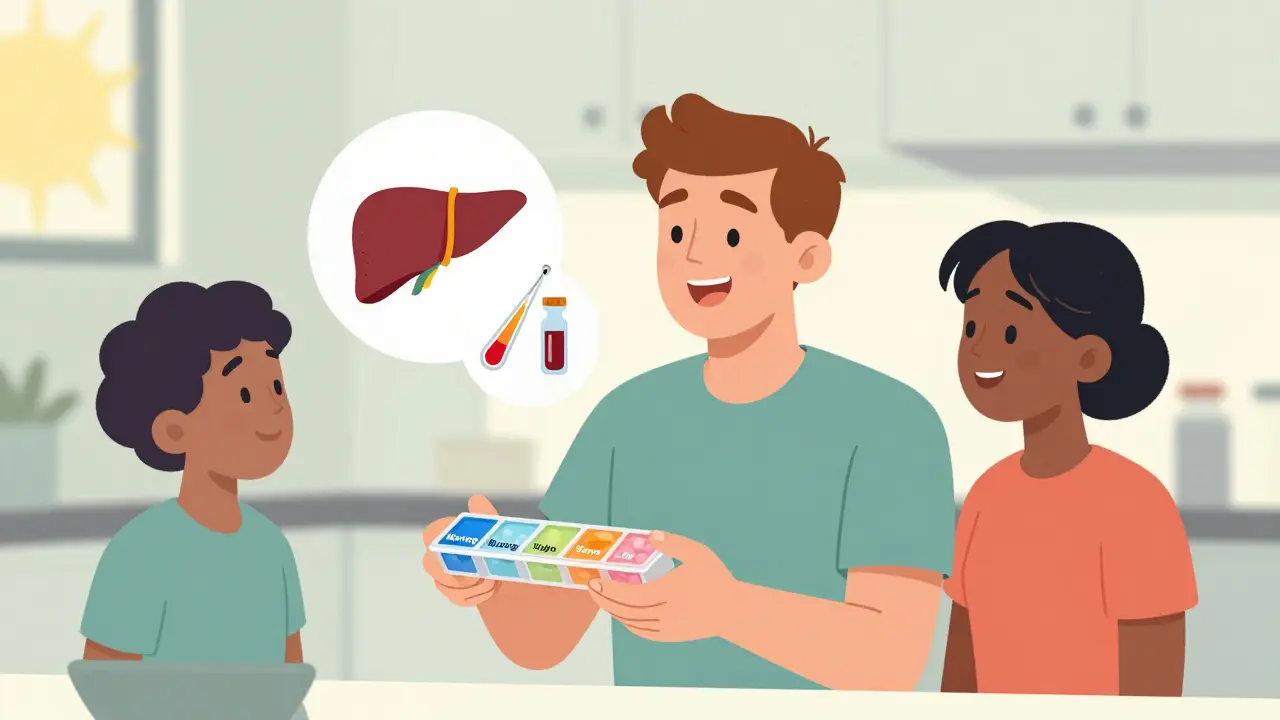
What Happens After Your Liver Transplant?
Getting a new liver is life-changing. But the real work starts after surgery. Your body doesn’t know the new organ belongs to you-it sees it as an invader. That’s why medication adherence isn’t just important-it’s the difference between living well and losing the transplant.
Most people don’t realize that rejection can happen anytime, even years later. And often, there are no obvious symptoms until it’s too late. That’s why sticking to your pills, knowing the warning signs, and showing up for blood tests matter more than ever.
How Rejection Works-And Why It’s Silent
Your immune system is built to fight germs. After a transplant, it tries to fight your new liver the same way. This is called rejection. There are three types:
- Hyperacute rejection-rare today. Happens within hours if your body already has antibodies against the donor organ. Modern testing makes this almost impossible.
- Acute rejection-the most common. Usually shows up between 1 week and 3 months after transplant, but can strike at any time.
- Chronic rejection-slow and sneaky. Takes months or years to develop. Often called the "silent killer" because it creeps up without big symptoms.
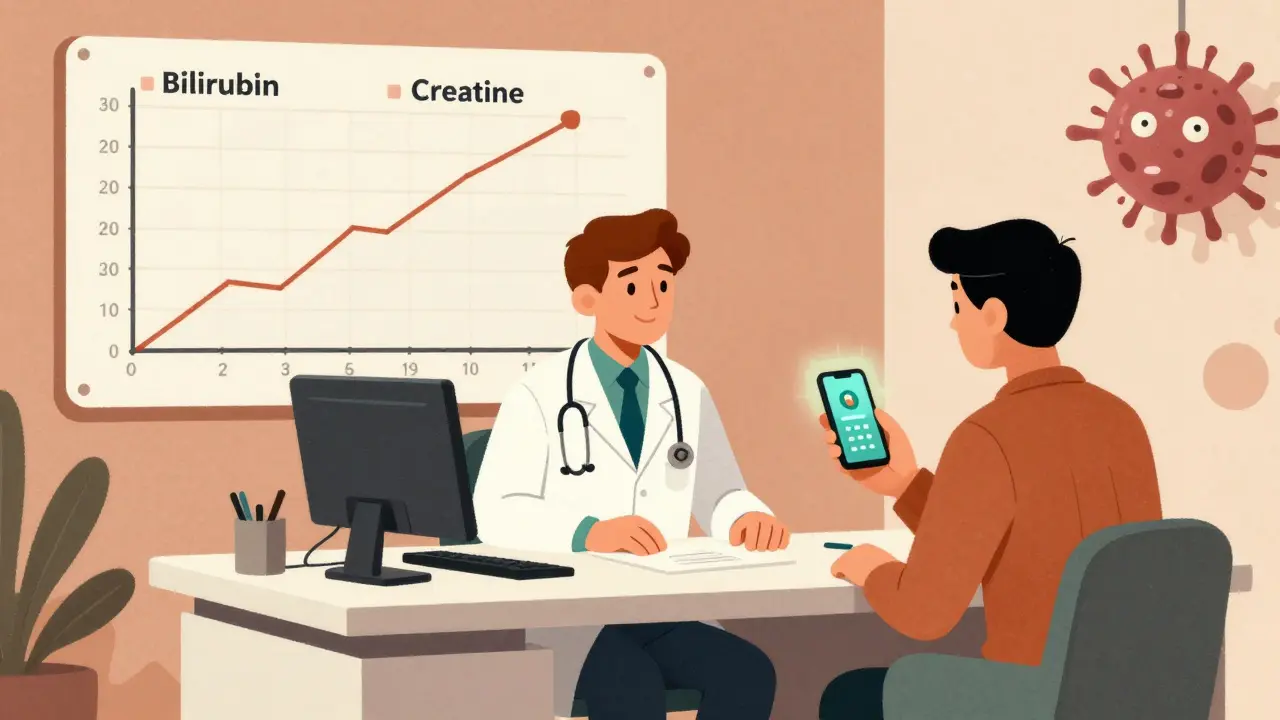
Here’s what acute rejection usually looks like: fever over 100°F, pain or tenderness near your liver, sudden weight gain (10+ pounds in 2 days), nausea, chills, headaches, or feeling like you have the flu. Your urine output might drop. Blood tests will show rising creatinine and bilirubin levels. These are red flags your doctor watches for.
Chronic rejection? It’s quieter. You might feel more tired than usual. Your blood pressure creeps up. Your liver function slowly declines. By the time you notice, damage is already done.
Medication Adherence: Your Lifeline
You’ll take at least three types of drugs every day to keep your immune system from attacking your liver: calcineurin inhibitors (like tacrolimus or cyclosporine), antimetabolites (like mycophenolate), and steroids. Some people take 10-15 pills a day in the first year. Dosing times matter. Miss one, and your blood levels drop. Miss two, and rejection risk spikes.
Studies show that if you miss just 20% of your doses, your chance of rejection triples. And here’s the hard truth: most people think they’re doing fine because they don’t feel sick. But rejection doesn’t always cause symptoms. A 2022 report from the Scientific Registry of Transplant Recipients found that patients who took their meds exactly as prescribed had a 95% survival rate after one year. Those who skipped doses? Only 78% made it.
Dr. Arvind Agrawal of CareDx says it plainly: "Kidney rejection, especially when mild, oftentimes does not have symptoms or is not caught during blood or urine tests." The same is true for liver transplants. Your pills are your early warning system.
Why People Skip Doses-And How to Beat It
It’s not laziness. It’s complicated.
- Too many pills-12+ a day, at different times. It’s easy to lose track.
- Side effects-tremors, high blood pressure, stomach upset, weight gain. These make people want to quit.
- Cost-without insurance, these drugs cost about $28,000 a year.
- Feeling fine-if you don’t feel sick, why take the pills?
Here’s what actually works:
- Medication organizers-pill boxes with compartments for morning, afternoon, night. 63% of long-term survivors use them.
- Smartphone alarms-set 2-3 reminders per dose. A 2022 JAMA study showed this improved adherence by 37%.
- Family help-someone else checking your pill box or reminding you cuts rejection risk by 28%.
- Pharmacist check-ins-monthly calls from your transplant center’s pharmacist. Johns Hopkins uses this and hits 92% adherence. The national average? Just 76%.
Some centers now use smart pill bottles that record when you open them. They sync with your phone. If you miss a dose, you get a text. In early trials, this cut rejection episodes by 22%.
Monitoring: Blood Tests Are Non-Negotiable
You’ll need frequent blood tests, especially in the first year. Weekly at first. Then every two weeks. Then monthly. These tests check:
- Tacrolimus levels-target range: 5-10 ng/mL in the first year. Too low? Rejection risk. Too high? Kidney damage.
- Bilirubin and liver enzymes-rising numbers mean your liver is under stress.
- Creatinine-even small spikes can signal trouble.
Don’t skip these. Your doctor can’t catch rejection if you don’t come in. And if you do miss a test, call your team immediately. Don’t wait.
New Tools Changing the Game
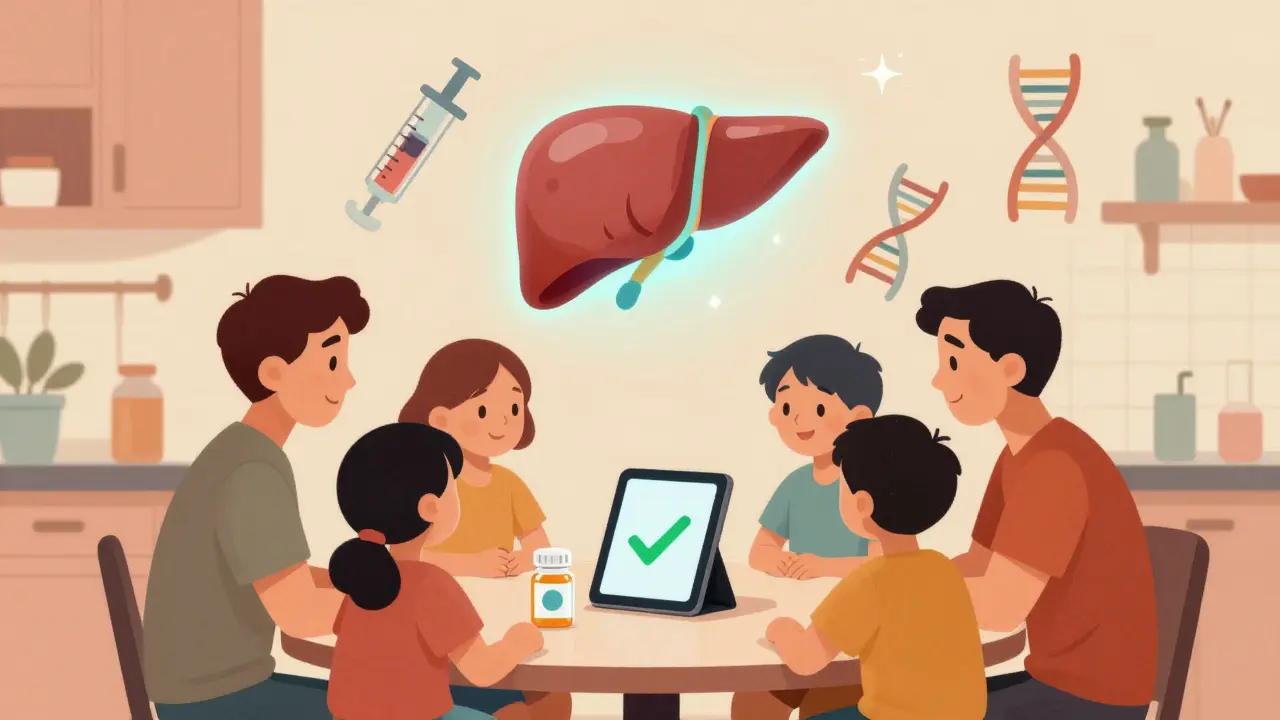
Science is catching up. In January 2023, the FDA approved the first genetic test for tacrolimus dosing-XyGlo. It looks at your DNA to predict how fast your body breaks down the drug. That means fewer trial-and-error adjustments.
Another tool, called ImmuKnow, measures your immune system’s activity. If it’s too active, your body might be gearing up to reject. If it’s too quiet, you’re at risk for infection. It’s not perfect-but it helps doctors personalize your care.
And then there’s belatacept. It’s a newer drug that replaces calcineurin inhibitors for some patients. Early results show 18% less chronic rejection after five years. And no kidney damage from long-term use.
The most exciting development? Tolerance. In a 2023 trial by the Immune Tolerance Network, 40% of patients who got a stem cell transplant along with their liver no longer needed any immunosuppressants after 18 months. They’re living with their new organ-and no daily pills.
What Happens If You Don’t Adhere?
Missing doses doesn’t mean you’ll lose your liver right away. But each 10% drop in adherence raises your risk of graft failure by 23%. And late graft loss? Up to 22% of cases are from non-adherence, according to Columbia University.
Rejection can lead to hospitalization. More biopsies. Higher doses of steroids. Another transplant. And that’s not guaranteed. You’ll be higher on the waiting list-but you’ll be older, sicker, and have fewer options.
Dr. Joseph Murray, who won the Nobel Prize for the first successful transplant, said it best: "The success of transplantation is not measured by the operation but by the patient’s lifelong commitment to their medication regimen."
Final Thoughts: You’re Not Alone
Living with a transplanted liver means you’ll never be "cured." But you can thrive. It takes discipline. It takes support. It takes showing up-even when you feel fine.
If you’re struggling with side effects, cost, or just forgetting pills, talk to your team. There’s no shame in asking for help. Pharmacist visits, support groups, apps, family reminders-they all work. The goal isn’t perfection. It’s consistency. Even 90% adherence makes a huge difference. Below that? Danger zone.
Your liver is a gift. But it’s also a responsibility. Stick to your plan. Track your doses. Show up for tests. And never assume you’re fine just because you feel okay. The best transplant outcome isn’t the surgery. It’s the daily choices you make after.
Can rejection happen years after a liver transplant?
Yes. While acute rejection is most common in the first 3 months, rejection can occur at any time-even 10 or 15 years later. Chronic rejection develops slowly over time and may not cause obvious symptoms until organ function declines. That’s why lifelong monitoring and medication adherence are essential.
What happens if I miss one dose of my immunosuppressant?
Missing one dose can cause your drug levels to drop below the protective range, increasing your risk of rejection. Even a single missed dose can trigger an immune response. If you miss a dose, take it as soon as you remember-unless it’s close to your next scheduled dose. Never double up. Always call your transplant center for guidance.
How do I know if my liver is rejecting?
Symptoms can include fever over 100°F, pain or tenderness near the liver, sudden weight gain (10+ pounds in 48 hours), nausea, fatigue, dark urine, or jaundice (yellowing of skin or eyes). But often, there are no symptoms. Blood tests showing rising bilirubin, liver enzymes, or creatinine are the most reliable early signs. Never wait for symptoms-stick to your testing schedule.
Are there cheaper alternatives to expensive transplant medications?
Generic versions of some immunosuppressants (like cyclosporine and mycophenolate) are available and can cut costs significantly. Many transplant centers have financial counselors who help patients apply for patient assistance programs, Medicaid, or drug manufacturer discounts. Never switch brands or stop meds without talking to your transplant team-changing medications can trigger rejection.
Can I stop taking immunosuppressants if I feel fine?
No. Stopping immunosuppressants-even if you feel great-will almost certainly cause your body to reject the transplanted liver. Rejection can happen within days. There are very rare cases where patients achieve "operational tolerance" and can stop meds, but this only happens under strict research protocols and is not an option for most. Always follow your doctor’s instructions.
What’s the best way to remember my pills every day?
Use a pill organizer with separate compartments for each time of day. Set smartphone alarms for each dose-preferably 2-3 alarms spaced apart. Link taking pills to a daily habit, like brushing your teeth or eating breakfast. Ask a family member to check in. Many transplant centers offer free apps or smart pill bottles that track openings and send reminders. The key is repetition and accountability.
How often do I need blood tests after the first year?
After the first year, most patients get blood tests every 1-3 months if stable. But if your drug levels fluctuate, you have side effects, or your liver numbers change, you may need testing more often. Always follow your transplant team’s schedule-even if you feel fine. Blood work is your early warning system.
Can I drink alcohol after a liver transplant?
Most transplant centers strongly advise against alcohol. Even small amounts can damage your new liver and interfere with how your body processes immunosuppressants. If you had liver disease from alcohol before transplant, drinking again can lead to immediate rejection or new liver damage. Abstinence is the safest choice.
What should I do if I have side effects from my meds?
Don’t stop taking your meds. Call your transplant team right away. Side effects like tremors, high blood pressure, or stomach upset are common-and often manageable. Your doctor may adjust your dose, switch medications, or add another drug to help. Many side effects improve over time. But never change your regimen on your own.
Is it safe to get vaccines after a liver transplant?
Yes-but only certain ones. Live vaccines (like MMR, varicella, nasal flu) are dangerous because your immune system is suppressed. Inactivated vaccines (flu shot, pneumonia, hepatitis A/B, COVID-19) are safe and recommended. Always check with your transplant team before getting any vaccine. Timing matters-some vaccines are given before transplant, others after.
Ben Kono
January 10, 2026 AT 12:27Cassie Widders
January 10, 2026 AT 18:55Konika Choudhury
January 12, 2026 AT 02:11Darryl Perry
January 12, 2026 AT 02:59Windie Wilson
January 12, 2026 AT 20:25Daniel Pate
January 13, 2026 AT 01:13Amanda Eichstaedt
January 14, 2026 AT 07:33Jose Mecanico
January 16, 2026 AT 03:58Alex Fortwengler
January 16, 2026 AT 23:02jordan shiyangeni
January 17, 2026 AT 04:35Abner San Diego
January 18, 2026 AT 18:55Eileen Reilly
January 19, 2026 AT 16:41Monica Puglia
January 20, 2026 AT 23:20Cecelia Alta
January 21, 2026 AT 21:53