
Asthma Inhaler: How They Work, What to Know, and How to Use Them Right
When you have asthma, your asthma inhaler, a handheld device that delivers medication directly into the airways to open up breathing passages or reduce inflammation. Also known as a puffer, it’s often the first and most important tool in managing asthma day to day. But most people don’t use it right—and that’s why so many still struggle to breathe even when they’re taking their medicine.
An asthma inhaler, a handheld device that delivers medication directly into the airways to open up breathing passages or reduce inflammation. Also known as a puffer, it’s often the first and most important tool in managing asthma day to day. But most people don’t use it right—and that’s why so many still struggle to breathe even when they’re taking their medicine.
There are two main kinds: rescue inhalers, fast-acting bronchodilators like albuterol that open airways within minutes during an attack, and corticosteroid inhalers, daily preventers that reduce swelling and mucus in the lungs over time. One is for emergencies, the other is for long-term control. Mixing them up—or skipping the daily one because you feel fine—is the most common mistake.
Using a rescue inhaler more than twice a week means your asthma isn’t under control. That’s not normal. It doesn’t mean you need a stronger puff—it means you need a better plan. Many people don’t realize that inhalers need spacers to work properly, especially for kids or older adults. Without one, most of the medicine hits the back of your throat and never reaches your lungs. And if you’re not rinsing your mouth after a steroid inhaler, you’re risking oral thrush—a preventable side effect.
It’s not just about the device. Your environment matters too. Dust mites, pet dander, and mold can trigger attacks even if you’re using your inhaler correctly. That’s why some of the most helpful advice isn’t in the prescription bottle—it’s in learning how to clean your home, control humidity, and avoid triggers before they start. You can’t medicate your way out of a dirty bedroom.
And here’s something no one tells you: generic inhalers work just as well as brand names. The FDA requires them to deliver the same dose, same effect, same safety profile. The only difference? The price. You could be saving hundreds a year without losing control of your symptoms.
Some people think inhalers are only for severe asthma. They’re not. Even mild, occasional symptoms need attention. Left unchecked, inflammation builds up silently—and that’s when attacks become dangerous. The goal isn’t just to stop wheezing. It’s to live without fear of the next one.
Below, you’ll find real, practical guides on how to avoid triggers that set off your inhaler use, how to spot when your meds aren’t working, how to store them safely, and how to tell if what you’re taking is actually helping—or just making you feel like you’re doing something right. These aren’t theory pages. They’re what people actually need to know to breathe easier—without guesswork.
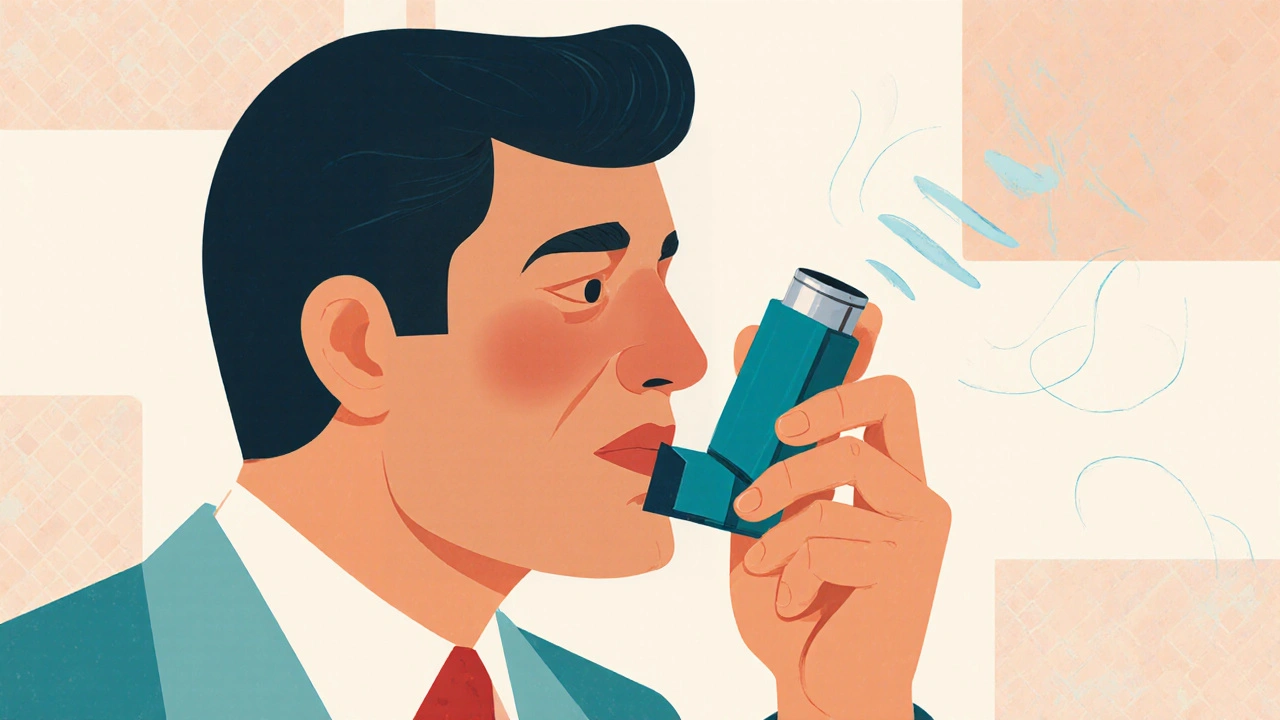
Inhaler Technique: 8 Essential Steps for Correct Drug Delivery
Learn the 8 essential steps to use your inhaler correctly so medication reaches your lungs, not your throat. Avoid wasted doses, side effects, and poor symptom control with proper technique.