
Dutasteride: What It Is, How It Works, and What You Need to Know
When working with Dutasteride, a prescription drug that blocks the conversion of testosterone to dihydrotestosterone (DHT). Also known as Avodart, it belongs to a class called 5-alpha-reductase inhibitor, medications that reduce DHT levels in the body. By cutting DHT, Dutasteride can shrink the prostate, slow hair loss, and affect other androgen‑driven processes.
One of the main reasons doctors prescribe Dutasteride is for benign prostatic hyperplasia (BPH), the non‑cancerous enlargement of the prostate gland that causes urinary problems in men. Lowering DHT relaxes the smooth muscle in the prostate and reduces gland size, which often translates into fewer trips to the bathroom at night and a stronger urine flow. If you’ve struggled with frequent urination, a weak stream, or the feeling that the bladder never empties completely, Dutasteride might be the medication your urologist suggests.
Another hot topic is Dutasteride’s role in androgenic alopecia, male‑pattern hair loss driven by excess DHT on scalp follicles. Because it blocks both type I and type II isoenzymes of 5-alpha‑reductase, it can lower scalp DHT more effectively than some alternatives. Many dermatologists and hair‑loss clinics now discuss off‑label use of Dutasteride for patients who don’t respond well to finasteride, a similar drug that only inhibits type II enzymes. The result may be a steadier hair thickness and slower thinning, though it’s essential to weigh the benefits against possible side effects.
The relationship between Dutanelide and finasteride highlights a classic semantic triple: Dutasteride encompasses broader enzyme inhibition, while finasteride targets a narrower pathway. This difference explains why doctors might choose one over the other based on a patient’s prostate size, hair‑loss severity, or tolerance to medication. Both drugs require a prescription, which means a medical evaluation, lab tests, and ongoing monitoring are part of the treatment plan.
Side effects are a real concern for anyone considering hormone‑modifying drugs. Common reports include decreased libido, erectile dysfunction, and reduced ejaculate volume. Some men notice breast tenderness or enlargement, while others experience mood changes. Rarely, a condition called post‑finasteride syndrome can linger after stopping the medication, though the evidence is still debated. Because Dutasteride stays in the bloodstream longer than finasteride, any adverse reactions may persist for several weeks after discontinuation.
Drug interactions matter, too. Dutasteride can amplify the effects of blood thinners, certain antifungal agents, and medications that also influence hormone levels, such as testosterone replacement therapy. Always inform your doctor about every supplement and prescription you take. A simple blood test to check prostate‑specific antigen (PSA) levels is usually done before starting the drug and periodically after, since Dutasteride lowers PSA and could mask the early signs of prostate cancer.
Practical Tips Before Starting Dutasteride
First, get a clear diagnosis. Whether you’re dealing with BPH symptoms or looking to preserve hair, a doctor should confirm the underlying cause. Second, discuss your family’s health history – especially any prostate cancer cases – because Dutasteride can interfere with PSA screening. Third, set realistic expectations: prostate shrinkage may take months, and hair improvement can take a year or more. Finally, keep a symptom diary. Noting urinary changes, sexual function, and hair density helps your physician fine‑tune the dosage or switch to another therapy if needed.
Beyond the medical side, lifestyle habits can boost Dutasteride’s effectiveness. Staying hydrated, limiting caffeine and alcohol, and doing pelvic floor exercises can improve urinary flow. For hair, a balanced diet rich in zinc, biotin, and omega‑3 fatty acids supports follicle health while you wait for the drug to take effect. Combining Dutasteride with a reputable topical minoxidil solution is a common strategy that many patients find helpful.
Now that you’ve got a solid overview of what Dutasteride does, how it differs from similar drugs, and what to watch for, the next step is to explore the detailed articles we’ve gathered. Below you’ll find guides on buying affordable generic medications, managing side effects, comparing Dutasteride with other treatments, and much more. Dive in to get practical, up‑to‑date information that can help you make an informed decision about your health.
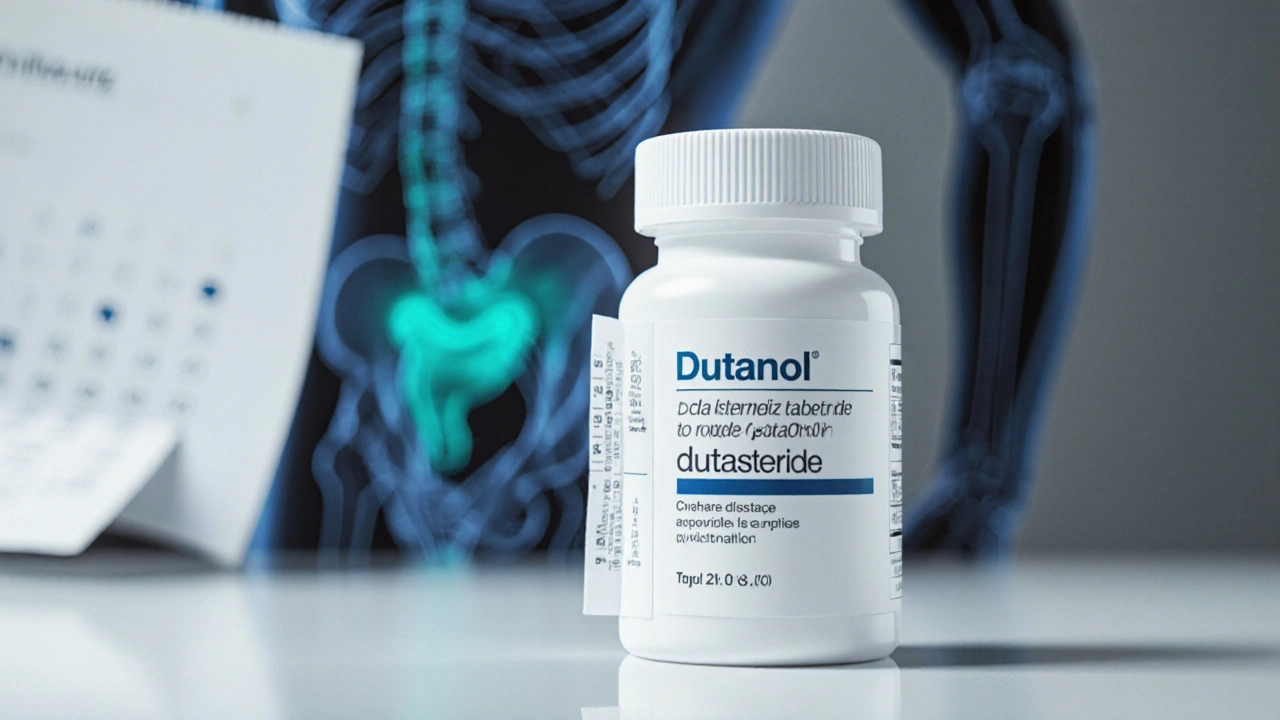
Dutanol (Dutasteride) vs Alternatives: Which 5‑Alpha‑Reductase Inhibitor Wins?
Explore the differences between Dutanol (dutasteride) and its main alternatives-finasteride, saw palmetto, and minoxidil-to find the best fit for BPH or hair loss treatment.