
Generic Drug Supply Chain: How Your Medications Get from Factory to Pharmacy
When you pick up a generic drug supply chain, the network of manufacturers, distributors, and regulators that gets generic medications from production to your hands. Also known as pharmaceutical distribution network, it’s the invisible system that keeps your prescriptions affordable and available. It’s not just about pills being cheaper—it’s about how those pills get made, shipped, stored, and sold without breaking safety rules. And when this chain breaks, you don’t just pay more—you risk getting weak, fake, or spoiled medicine.
Behind every generic pill is a drug manufacturer, a company that produces the active ingredient under FDA guidelines. Also known as generic drug maker, it’s often overseas, where production costs are lower. These factories must meet the same standards as brand-name makers, but inspections are less frequent and harder to track. Then comes the pharmaceutical distribution, the process of moving drugs through wholesalers, distributors, and pharmacies. Also known as drug logistics network, it involves dozens of middlemen, each adding risk—like improper storage, delays, or counterfeit mixing. Heat, humidity, and long transit times can ruin your meds before they even reach the shelf. That’s why medication storage, how drugs are kept during transport and in homes. Also known as drug storage conditions, is a critical link in the chain. A pill that’s fine in a lab might turn useless in a hot warehouse or a humid truck.
The generic drug supply chain isn’t broken—but it’s stretched thin. Between foreign production, global shipping, and weak oversight on some routes, your medicine could be sitting in a warehouse for weeks before it lands in your cabinet. That’s why posts here cover everything from how to spot fake pills to why your generic looks different from the brand. You’ll find real advice on protecting your meds from heat, checking for authenticity, and understanding why some generics work better than others—not because they’re different, but because the chain behind them was handled better.
What you’ll find below isn’t theory—it’s what people actually deal with: expired pills from bad storage, confusion over pill shapes, counterfeit risks online, and how supply shortages hit real patients. These aren’t isolated issues. They’re all symptoms of a supply chain that’s too long, too complex, and too easy to exploit. You don’t need to be an expert to protect yourself. You just need to know where the weak spots are—and how to avoid them.
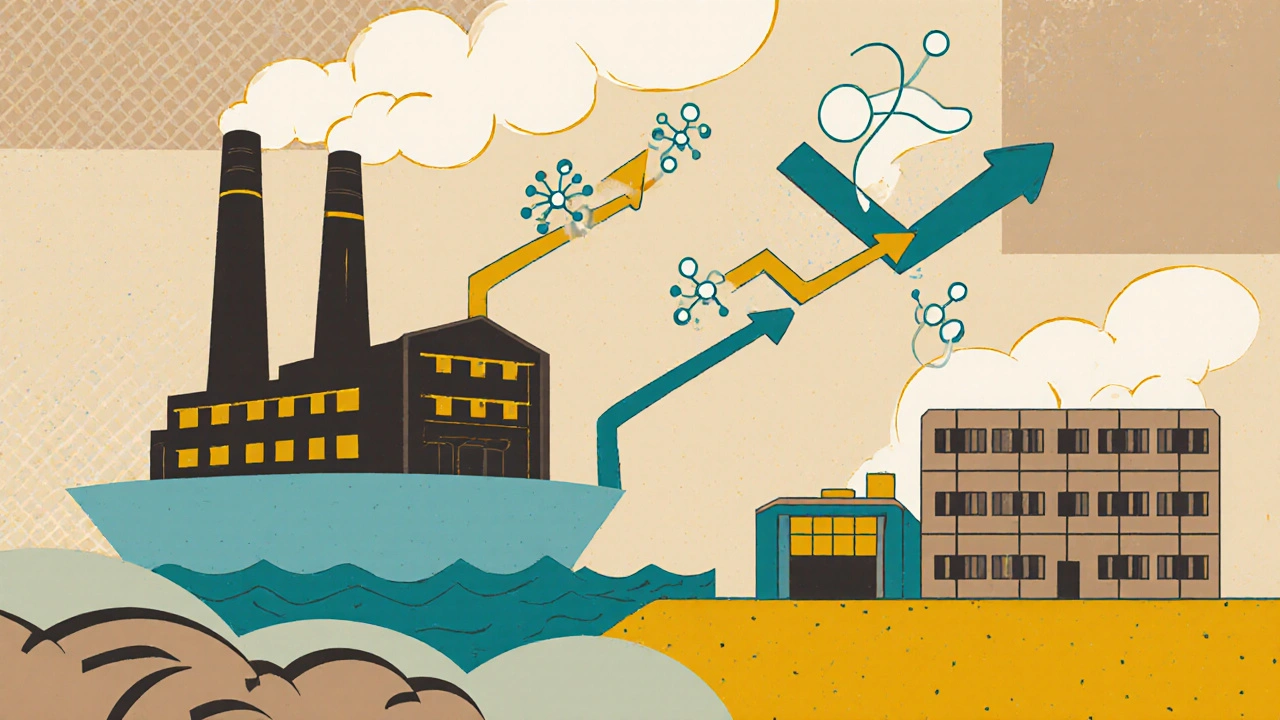
Generic Drug Supply Chain: How Medicines Reach Pharmacies
Discover how generic drugs travel from factories in China and India to your local pharmacy, and why the system that keeps prices low is also pushing manufacturers and pharmacies to the brink.