
Generic Medication Distribution: How Pills Get to You and Why It Matters
When you pick up a generic pill at the pharmacy, you’re holding a product shaped by a complex system called generic medication distribution, the process by which FDA-approved generic drugs are manufactured, transported, and delivered to patients at lower cost than brand-name versions. Also known as generic drug supply chain, it’s the quiet engine behind 90% of U.S. prescriptions and saves billions every year. This isn’t just about cheaper pills—it’s about access, safety, and trust. If the distribution system breaks down, you might get a pill that’s ineffective, expired, or even counterfeit.
The drug supply chain, the network of manufacturers, wholesalers, distributors, and pharmacies that move medications from production to patient involves dozens of players, and each step has rules. The FDA requires generic manufacturers to prove their drugs match brand-name versions in strength, purity, and how they work in your body. But once approved, those pills travel through warehouses, trucks, and shipping centers—often across states or countries—before reaching your hands. Heat, humidity, and poor storage along the way can weaken them, as shown in posts about medication expiration, how environmental factors like heat and moisture degrade drug potency before the printed date. That’s why safe storage isn’t just your job—it’s part of the whole system.
And then there’s the risk of fakes. medication safety, the protection of drugs from contamination, tampering, or counterfeit entry into the supply chain is a growing concern. Fake pills have slipped into the system before, sometimes disguised as common generics. That’s why you’re told to buy from licensed pharmacies and avoid shady online sellers. The same posts that warn you about counterfeit drugs, fake medications that look real but contain wrong or no active ingredients also explain how to spot red flags—like unusual packaging, missing lot numbers, or prices that seem too good to be true.
What ties all this together? FDA generic rules, the strict standards that ensure generic drugs are as safe and effective as their brand-name counterparts. These rules cover everything from how the drug is made to how it’s labeled. But rules only work if they’re followed at every step—from the factory floor to your medicine cabinet. That’s why distribution isn’t just logistics; it’s healthcare integrity.
Below, you’ll find real stories and guides that show how this system works—and sometimes fails. You’ll learn why your generic pill looks different from the brand name, how heat ruins medicine before its date, how to avoid fake drugs, and why some patients still don’t trust generics even when they’re proven safe. These aren’t abstract concepts. They’re the everyday realities of how your medication gets to you—and what you can do to protect yourself along the way.
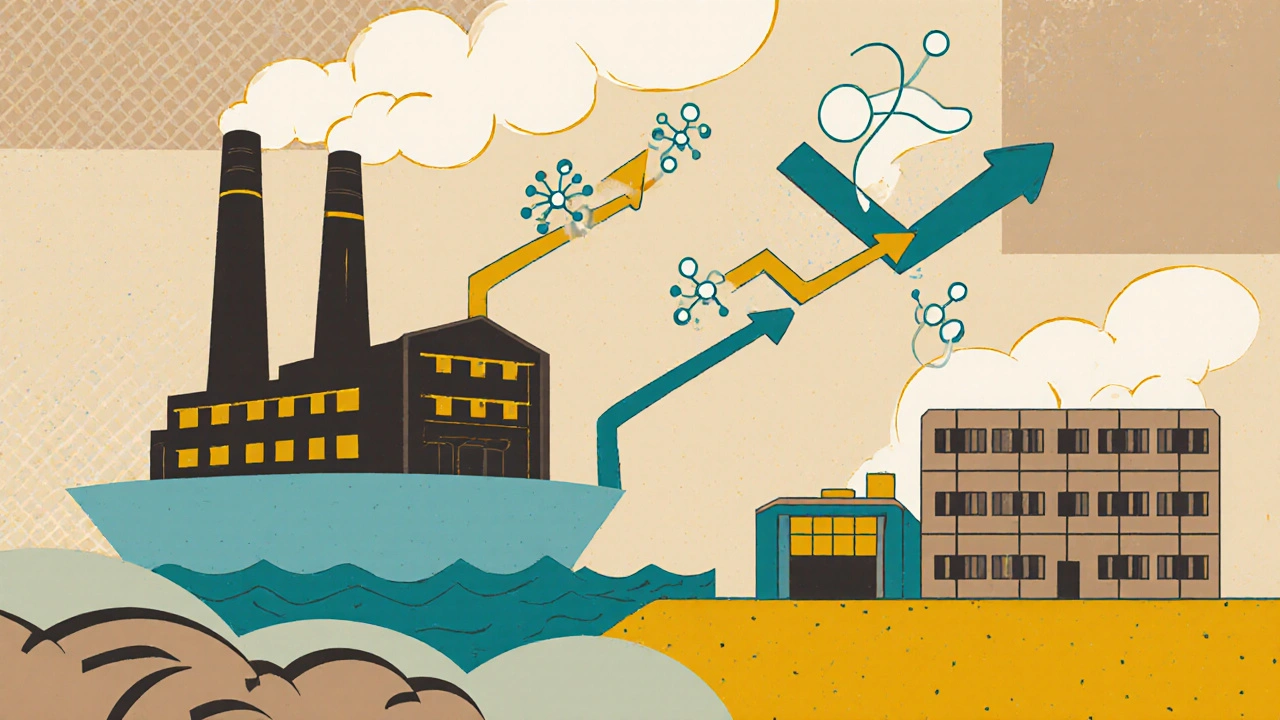
Generic Drug Supply Chain: How Medicines Reach Pharmacies
Discover how generic drugs travel from factories in China and India to your local pharmacy, and why the system that keeps prices low is also pushing manufacturers and pharmacies to the brink.