
Prescription Medication: What You Need to Know About Safe Use, Interactions, and Alternatives
When you get a prescription medication, a drug legally authorized by a doctor for treating a specific condition. Also known as controlled medication, it’s meant to be taken exactly as directed—because even small mistakes can lead to serious harm. Unlike over-the-counter pills, these drugs are powerful. They can fix problems, but they can also cause side effects, interact with other substances, or even become dangerous if stored improperly.
Many people don’t realize how common drug interactions, harmful reactions between medications, food, or supplements really are. Grapefruit can make cholesterol drugs toxic. St. John’s wort can cancel out birth control. Even something as simple as a heating pad can turn a fentanyl patch into a life-threatening risk. These aren’t rare cases—they happen every day, often because patients aren’t told the full story. And it’s not just about mixing pills. medication safety, the practice of using drugs correctly to avoid accidents, misuse, or errors includes storing them out of reach of kids, checking expiration dates, and knowing if your pill is a generic or brand name. Contrary to what some believe, generic medications, chemically identical versions of brand-name drugs approved by the FDA are just as effective, save you up to 85% in costs, and make up 90% of all prescriptions in the U.S.
Antibiotics, pain relievers, sleep aids, and antidepressants all fall under prescription medication—but each comes with its own risks. Taking antibiotics can lead to yeast infections. Mixing certain antidepressants with pain meds can trigger serotonin syndrome. And if you’re using a patch, cream, or inhaler, how you apply it matters just as much as the dose. That’s why the posts here cover real-world issues: how to use an inhaler correctly, why some people distrust generics, how to spot fake pills online, and what to do when one drug doesn’t work and you need a better alternative. You’ll find comparisons between Tinidazole and Metronidazole, Compazine and other anti-nausea drugs, and even how Methimazole helps cats with thyroid problems. This isn’t theory. It’s what people actually deal with when managing health at home.
Whether you’re taking medication for yourself, a parent, or a pet, knowing how these drugs work—and how they can go wrong—isn’t optional. It’s essential. Below, you’ll find clear, no-fluff guides on how to use, store, and choose between prescription options without falling for myths or scams. No jargon. No marketing. Just what you need to stay safe and get real results.
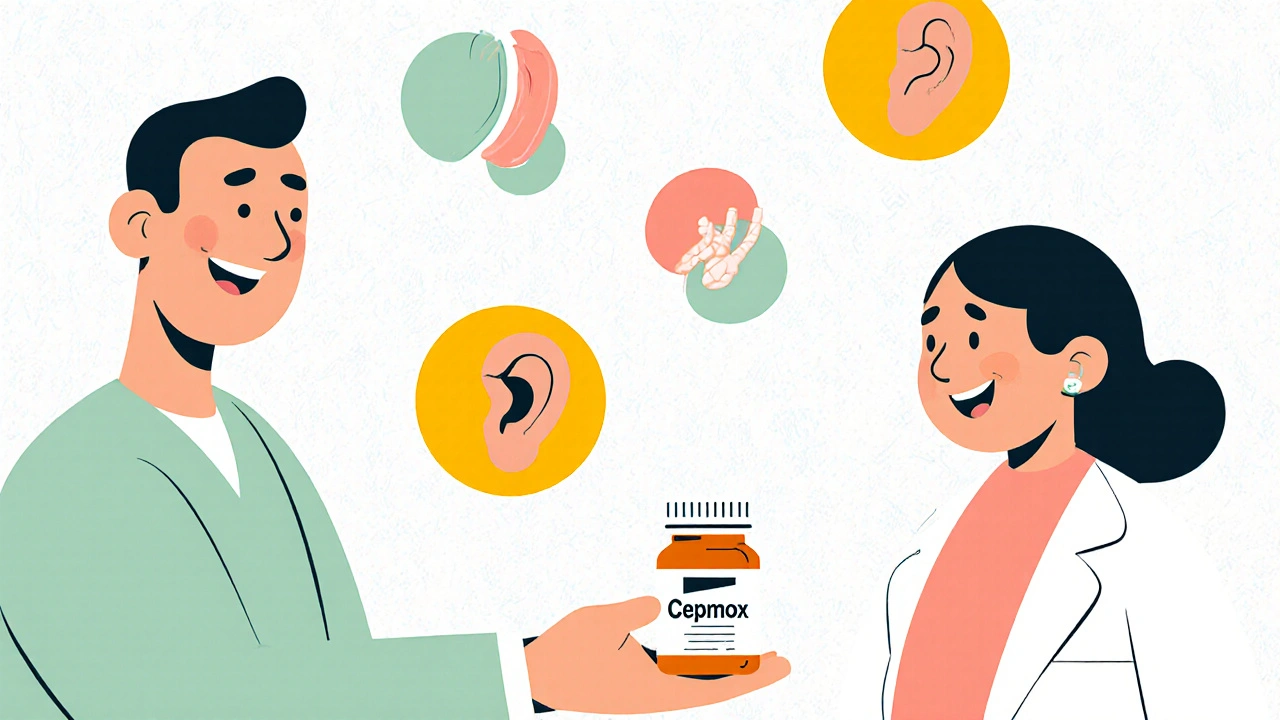
Cepmox: What It Is, How It Works, and When It's Prescribed
Cepmox is a brand of amoxicillin used to treat bacterial infections like strep throat, ear infections, and sinusitis. Learn how it works, when it's prescribed, side effects, and how to take it safely.