
Valacyclovir for Kids: Safe Use, Dosage, and What Parents Need to Know
When a child gets a painful cold sore or chickenpox, parents want answers fast. Valacyclovir, a prescription antiviral medication used to treat herpes virus infections. Also known as Valtrex, it’s a prodrug that turns into acyclovir in the body—making it easier for kids to absorb and more effective than older options. Unlike some antivirals, valacyclovir is taken fewer times a day, which helps with compliance in busy households. But it’s not a magic pill. It won’t cure herpes, and it’s not always needed for every outbreak.
Doctors usually prescribe valacyclovir for kids with herpes simplex virus, the cause of cold sores and genital herpes—especially if the infection is severe, spreading, or affecting the eyes. It’s also used off-label for chickenpox, a common childhood illness caused by the varicella-zoster virus in high-risk kids, like those with weakened immune systems or chronic skin conditions. For most healthy children, chickenpox runs its course without medication, but valacyclovir can shorten the illness by a day or two if started early. The key is timing: it works best within 24 to 48 hours of the first sign of rash or blisters.
Dosing isn’t one-size-fits-all. For kids, it’s based on weight and age. A typical dose for herpes simplex might be 20 mg per kilogram of body weight, taken twice a day for 5 days. For chickenpox, it’s often 20 mg/kg three times a day, also for 5 days. Too much can harm the kidneys, especially in dehydrated kids. That’s why doctors check hydration and kidney function before prescribing. Common side effects? Mild nausea, headache, or stomach upset. Serious reactions like confusion or seizures are rare but need immediate attention.
Parents often ask if valacyclovir prevents transmission. It reduces the risk, but doesn’t eliminate it. Kids should still avoid close contact with newborns, pregnant women, or people with weak immune systems during an active outbreak. And while it’s safe for most children, it’s not for everyone—kids with kidney disease or allergies to acyclovir need alternatives.
What you won’t find in this collection are vague generalizations or marketing fluff. Instead, you’ll see real-world insights from posts that compare antivirals, explain how herpes spreads in schools, and break down how to give pills to reluctant kids. You’ll learn when to push for a prescription, when to wait, and what to watch for after the first dose. This isn’t about fear—it’s about knowing what works, what doesn’t, and how to keep your child safe without overtreating.
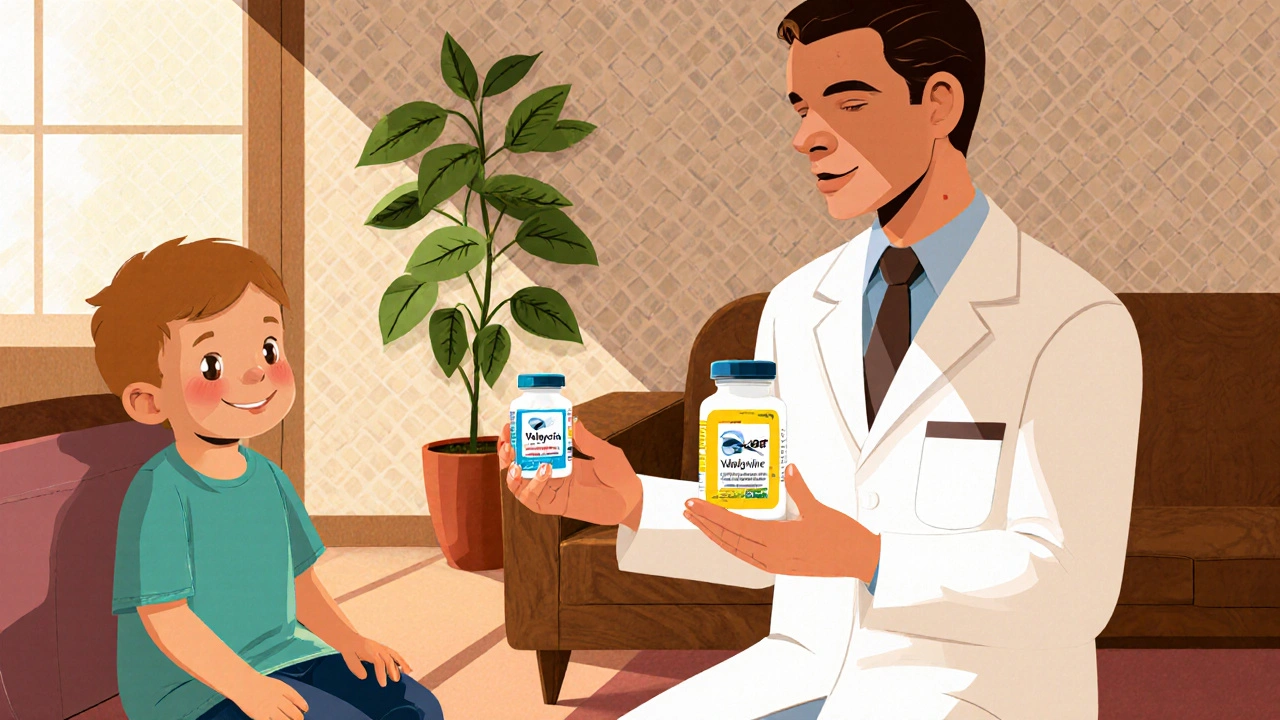
Valacyclovir for Children: Safe Dosing and What Parents Need to Know
Valacyclovir can safely treat herpes infections in children when dosed correctly by weight. Learn the right doses for chickenpox and cold sores, signs of side effects, and what to avoid.