
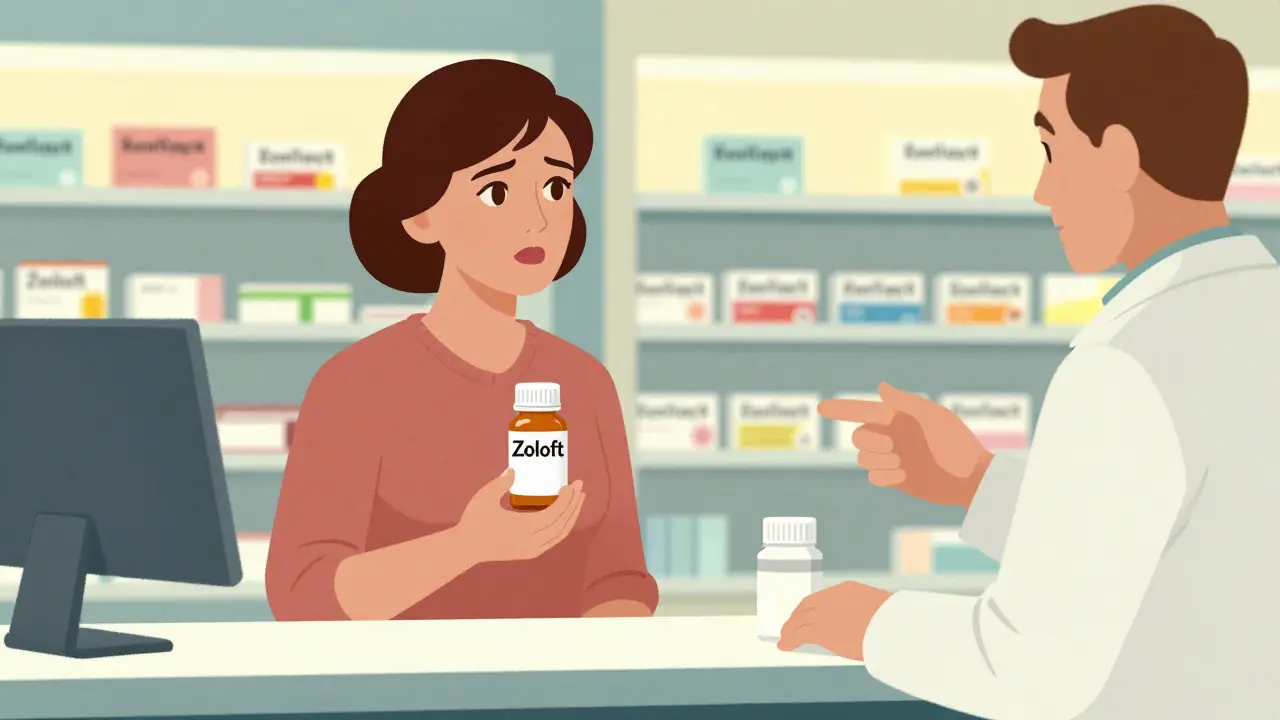
It’s a common sight: someone walks into a pharmacy, hands over a prescription, and says, "I need the brand name. The generic doesn’t work for me."" They’re not alone. Even though 90% of prescriptions in the U.S. are filled with generic drugs, brand-name medications still make up nearly 80% of total drug spending. Why? The active ingredient is the same. The FDA says they’re bioequivalent. So why do so many people refuse to switch?
It’s Not About Science - It’s About Feeling
People don’t choose medications based on clinical trials. They choose based on how they feel. If a patient has been taking a brand-name drug for years - say, for high blood pressure or depression - they associate that pill with stability. When a pharmacist swaps it for a generic, even if it’s chemically identical, the change in color, shape, or size triggers doubt. That’s not irrational. It’s human. A 2022 Consumer Reports survey found that 41% of people who switched from a brand-name drug to a generic reported a noticeable difference in how they felt. The FDA says those differences aren’t clinically meaningful. But patients don’t care about statistical averages. They care about their own body. One Reddit user wrote: "I tried three different generics of my antidepressant. Only the brand name kept me steady. The others made me feel like I was floating." That’s not an outlier. It’s a pattern.Doctors Play a Bigger Role Than You Think
Many assume patients make these choices alone. But doctors influence this far more than most realize. A 2023 GlobalData survey showed that 40% of physicians would prescribe a brand-name drug if cost weren’t a factor. In Japan, that number jumps to 57%. In Spain and Italy, it’s over 50%. Why? Some doctors genuinely believe certain patients respond better to brands. Others don’t want to risk a patient’s worsening symptoms - or a complaint - if a generic doesn’t work. Psychiatrists, for example, are twice as likely to stick with brand-name antidepressants than family doctors. Why? Because small changes in blood levels can trigger anxiety, mood swings, or even suicidal thoughts in vulnerable patients. The stakes feel higher. Even when guidelines say generics are fine, many physicians still write "Do Not Substitute" on prescriptions. It’s not about ignorance. It’s about caution.Generations Think Differently
Younger people are more likely to stick with brand-name drugs than older generations. A 2022 Fortune survey found that 35% of Gen Z patients prefer brand-name medications - even if they cost 79% more. That’s surprising, right? After all, Gen Z is known for being cost-conscious. But here’s the twist: they’re not loyal because they’re wealthy. They’re loyal because they trust the brand. They’ve seen ads. They’ve heard stories. They’ve Googled side effects. And when a drug has a name they recognize - like Zoloft or Lipitor - they assume it’s safer, more reliable. Millennials and Gen X? They’re more likely to switch. They’ve seen price tags. They’ve been told generics are just as good. But Gen Z? They grew up with Instagram influencers, branded packaging, and direct-to-consumer ads. For them, brand = quality. And in medicine, that’s powerful.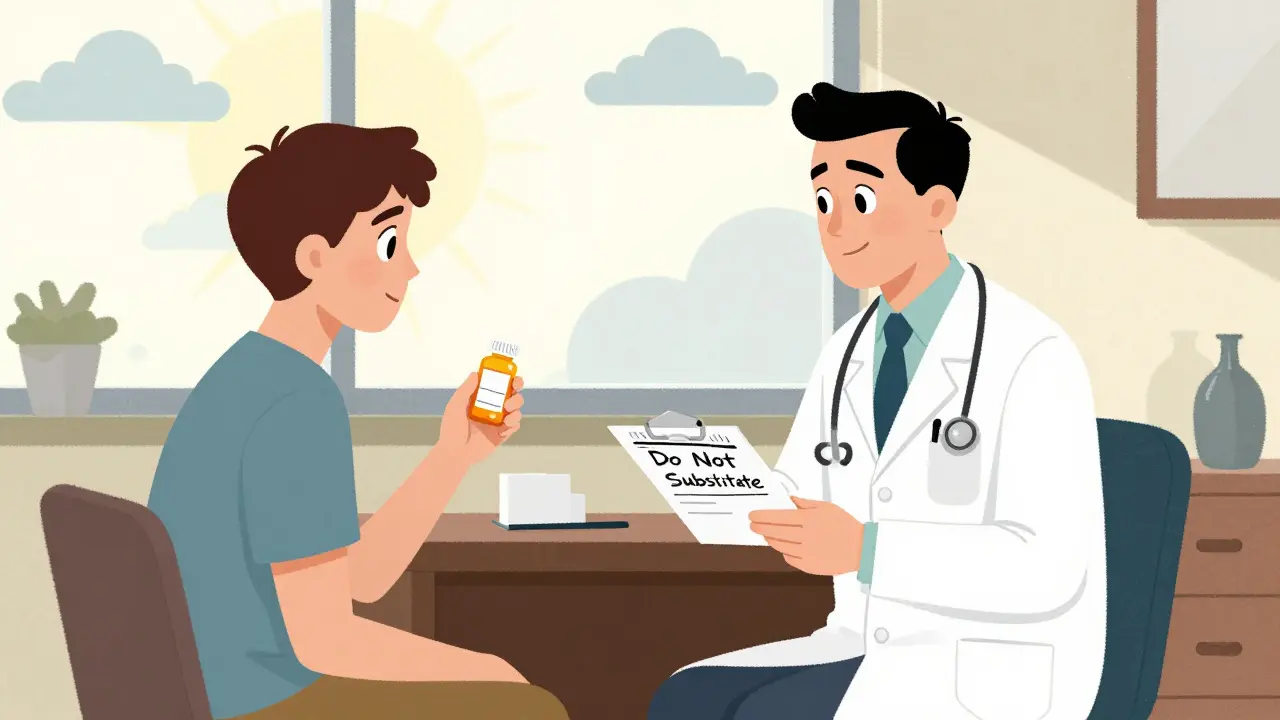
Where Brand Loyalty Is Strongest
Not all drugs are treated the same. You’ll rarely see someone refusing a generic statin. Over 98% of cholesterol meds are filled with generics. Why? Because the consequences of switching are low. If your cholesterol goes up a little, you adjust the dose. No big deal. But look at psychiatric drugs, epilepsy meds, or blood thinners. In those categories, brand loyalty is stubborn. Only 52% of antiepileptic prescriptions are filled with generics. Why? Because even a tiny variation in absorption can trigger a seizure. Patients don’t want to risk it. A 2023 study in the American Journal of Managed Care found that 78% of patients on biologic drugs - like Humira or Enbrel - refuse to switch to biosimilars, even when their insurance pushes them to. And then there’s the emotional side. People with chronic conditions often form deep attachments to their medication. It’s not just a pill. It’s their routine. Their peace of mind. Their lifeline. Changing it feels like losing control.Education Doesn’t Always Help
You’d think explaining bioequivalence would fix this. But it doesn’t. Studies show that when pharmacists take 7 minutes to explain that generics are identical, 67% of patients accept the switch. Sounds good? But 33% still say no. Why? Because trust isn’t built with facts. It’s built with experience. If someone had a bad reaction to a generic in the past - even if it was due to an inactive ingredient like dye or filler - they’ll remember it forever. One user on Trustpilot wrote: "The generic version of my allergy pill gave me a rash. The brand never did. I’m not risking it again." And here’s the kicker: inactive ingredients can cause problems. A 2023 analysis of pharmacy complaints found that 27% of negative reviews mentioned allergic reactions to dyes or fillers in generics. That’s not myth. That’s real. And it fuels the belief that brands are safer.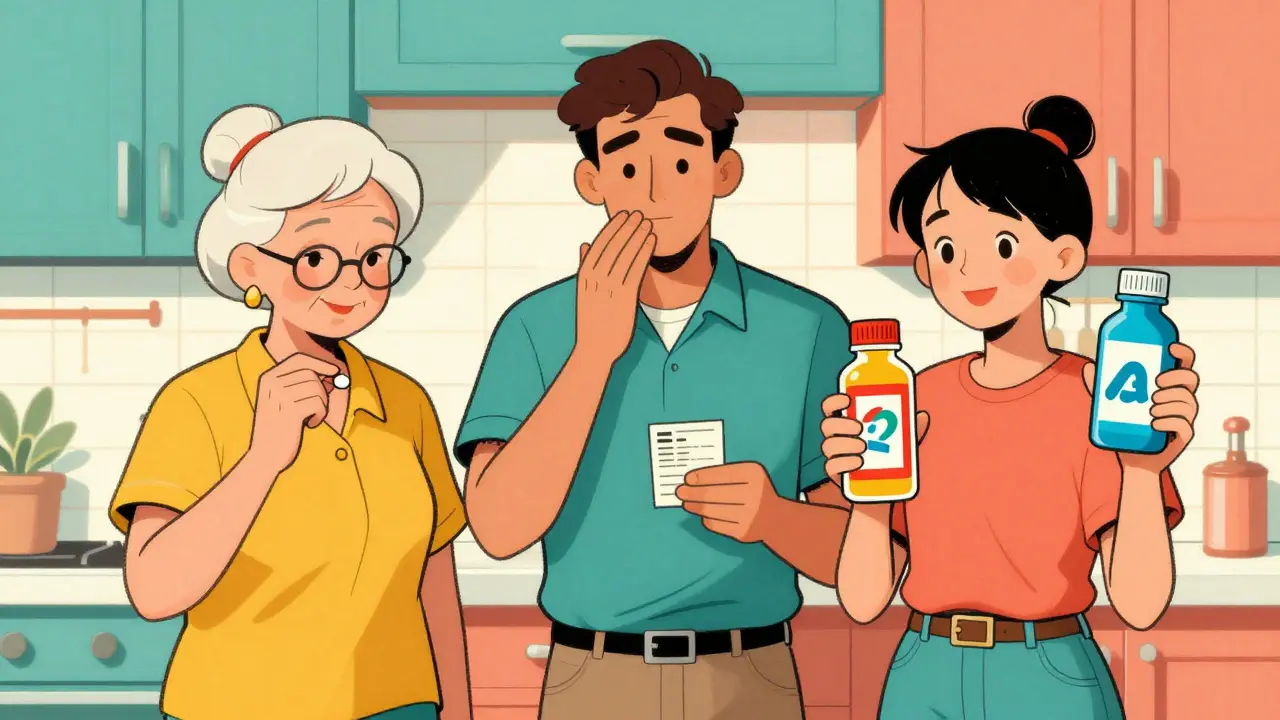
The Cost Is Real - But So Is the Comfort
Let’s be clear: brand-name drugs cost more. A lot more. In the U.S., generics account for 90% of prescriptions but only 22% of spending. That means patients are paying billions extra every year - not because they’re stupid, but because they’re scared. Lower-income, less-educated patients are 1.5 times more likely to stay loyal to brands, even when it hurts their budget. Why? Because they’ve been burned before. Maybe they tried a generic that didn’t work. Maybe they heard stories from friends. Maybe they don’t trust the system. In their mind, paying more now saves them from hospital visits later. It’s not about being misled. It’s about being cautious.What’s Changing? And What’s Not
The FDA is pushing hard to speed up generic approvals. Employers are raising copays for brands. Insurers are blocking non-essential brand-name prescriptions. All of that should reduce brand loyalty, right? Maybe. But the biggest barrier isn’t price. It’s perception. Until patients feel confident that generics are truly interchangeable - not just legally, but emotionally - they’ll keep choosing the name they know. And until doctors stop automatically defaulting to brands - or at least start having honest conversations about when generics are truly safe - patients will keep asking for the same pill, the same color, the same shape. The future of medication isn’t about cheaper drugs. It’s about rebuilding trust. And that takes more than science. It takes time, patience, and real stories.Why do some people say generics don’t work even though they’re supposed to be the same?
Many people report differences because generics can have different inactive ingredients - like dyes, fillers, or coatings - that affect how the drug is absorbed or trigger mild reactions in sensitive individuals. While the active ingredient is identical, these small changes can cause side effects like nausea, dizziness, or rashes. Also, psychological factors play a big role: if someone believes a brand works better, their brain may interpret normal fluctuations as "it’s not working."
Are brand-name drugs really safer than generics?
No. Both brand-name and generic drugs must meet the same FDA standards for safety, strength, and quality. The FDA requires generics to deliver the same amount of active ingredient into the bloodstream within the same time frame as the brand. The only difference is usually the color, shape, or filler - not effectiveness or safety. But perceptions matter, and past experiences - even if unrelated - can shape beliefs.
Why do doctors prescribe brand-name drugs even when generics are available?
Doctors often prescribe brands out of caution, especially for conditions where small changes can have big consequences - like epilepsy, depression, or blood thinning. They’ve seen patients struggle after switching, even if studies show it’s safe. Some also trust the original manufacturer’s consistency. Others simply follow habit or patient preference. It’s not always about money - it’s about minimizing risk.
Is brand loyalty stronger in certain countries?
Yes. In Japan and parts of Europe, brand loyalty is significantly higher. Japanese physicians prefer brand-name drugs 57% of the time, compared to 40% in the U.S. Why? Regulatory differences. Some countries have looser approval standards for generics, so doctors distrust them. In Spain, 13% of patients outright refuse generics no matter the cost. Cultural trust in pharmaceutical companies and direct-to-consumer advertising also play roles.
Can I switch from a brand-name drug to a generic without risk?
For most people, yes. Over 90% of generics are safely interchangeable. But for certain medications - like seizure drugs, thyroid meds, or blood thinners - even small variations matter. Talk to your doctor or pharmacist before switching. If you’ve had issues with generics before, mention it. Ask for an "A-rated" generic, which means it’s proven bioequivalent. And monitor how you feel in the first few weeks after switching.
Why do Gen Z patients prefer brand-name drugs more than older generations?
Gen Z grew up with constant branding - from TikTok ads to Instagram influencers promoting health products. They associate recognizable names with quality and reliability. They’re also more likely to research drugs online and believe that "famous" drugs are better tested. Unlike older generations who’ve seen generics work for decades, Gen Z hasn’t had that same history - so they default to what feels familiar.