
Medication errors are no longer just a quiet concern in hospitals and pharmacies-they’re now a public health priority. In 2025, a wave of new safety data forced major changes across U.S. and global healthcare systems. These aren’t minor tweaks. They’re full overhauls that affect how drugs are prescribed, handled, dispensed, and monitored. If you’re a pharmacist, a nurse, or even a patient on multiple medications, these updates directly impact you.
What Changed in 2025? The Big Five Updates
The biggest shifts came from five major organizations, each targeting a different part of the medication safety chain.
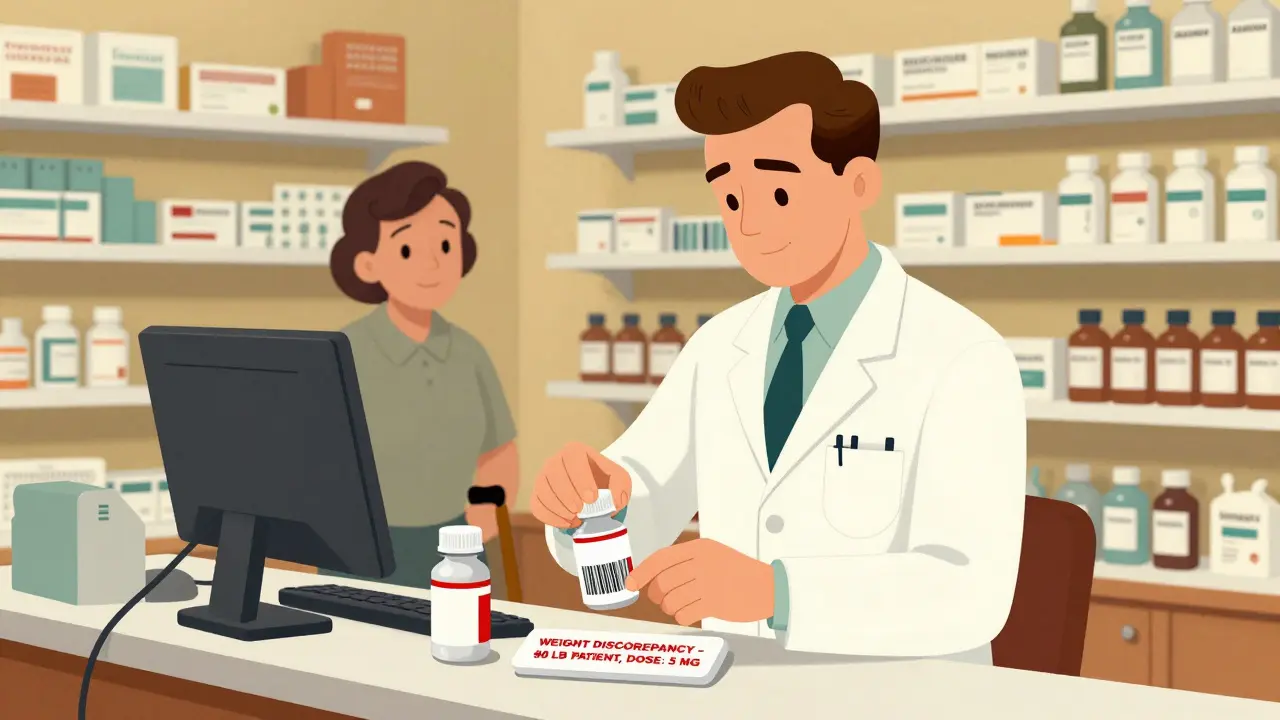
ISMP’s 2025-2026 Community Pharmacy Best Practices dropped in March 2025 and hit hard. For the first time, they made weight-based dosing verification mandatory for all pediatric and elderly patients. No more guessing. If a patient weighs 110 pounds, the system must flag any dose that doesn’t match a validated weight-based calculation. Pharmacies that adopted this saw a 63% drop in dosing errors within six months, according to a Texas pharmacy chain’s internal data.
They also pushed for barcode scanning on every single medication-even returns. Why? Because returning a pill bottle to stock without scanning it has led to mix-ups with expired or wrong drugs. One pharmacy in Ohio nearly dispensed a chemotherapy drug to a diabetic patient because a returned vial wasn’t scanned. That’s why ISMP now requires double-checks for high-alert meds like insulin, heparin, and opioids.
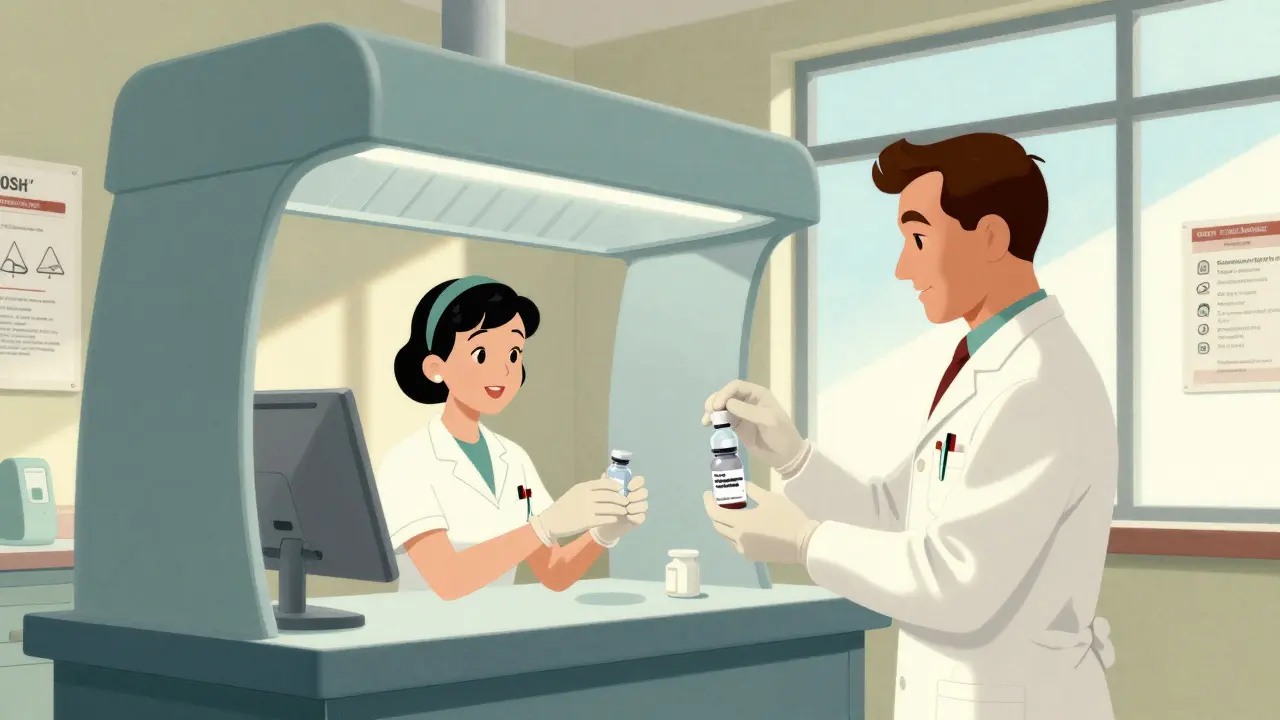
NIOSH updated its Hazardous Drugs List in July 2025, adding three new cancer drugs: Datopotamab deruxtecan, Treosulfan, and Telisotuzumab vedotin. These are antibody-drug conjugates-powerful, expensive, and dangerous if handled wrong. Pharmacists now need special ventilation hoods and double-gloving protocols. Hospitals that skipped these upgrades saw two exposure incidents in just four months. The cost? Between $15,000 and $50,000 per pharmacy to retrofit handling areas.
CMS changed how it measures safety in Medicare Part D plans. Starting in 2025, they stopped counting opioid use in cancer patients when calculating high-dose opioid metrics. That’s because patients with chronic pain were being penalized for needing strong meds. Instead, CMS now focuses on medication adherence for statins (ADH-Statins) and use of antipsychotics in dementia patients (APD). Plans that hit 80%+ adherence rates saw higher Star Ratings, which means more enrollees and millions more in revenue.
WHO’s 2025 Global Guideline didn’t just update-it rewrote the rulebook. For the first time, it required countries to ensure patients can legally possess controlled medicines. In some low-income nations, people with chronic pain were arrested for carrying morphine. WHO now demands legal protections, digital supply tracking, and training for every healthcare worker who handles opioids or benzodiazepines. It’s ambitious. Only 12 countries have full action plans so far.
How These Updates Are Changing Daily Work
Pharmacists aren’t just filling prescriptions anymore. They’re now safety auditors.
At a community pharmacy in Atlanta, the techs now spend 15 minutes extra per shift checking patient weights before dispensing. They use a tablet linked to the EHR to auto-calculate doses. If the system says “5 mg” but the patient weighs 90 lbs, it flashes red. No override. No exceptions.
Hospital pharmacies are installing AI tools that flag dangerous combinations before the script even leaves the computer. One system, MedAware, caught a potential interaction between a new antifungal and a heart medication that wasn’t in any drug database. The pharmacist caught it. The patient didn’t have a stroke.
But not everyone’s keeping up. A June 2025 survey found that only 37% of independent pharmacies use full barcode scanning systems. Why? Cost. A full system runs $15,000-$25,000 upfront. Many small shops can’t afford it. Some are using paper checklists instead. That’s risky.
NIOSH’s new hazardous drugs list has forced oncology pharmacies to retrain staff mid-year. One pharmacist in Chicago told me: “We had to pause compounding for three weeks while we got new gloves, hoods, and training. We lost income. But we also prevented two exposure incidents. That’s worth it.”
What’s Not Being Said: The Hidden Costs
These updates sound great on paper. But behind the scenes, they’re adding pressure.
Pharmacists are working longer hours. The American Society of Health-System Pharmacists reported a 14.7% vacancy rate in hospitals last quarter. That means the people left are doing double the safety checks.
CMS’s new measures mean more paperwork. Long-term care pharmacists now log every antipsychotic dose, every refill, every family meeting. One pharmacist said, “I spend 40% of my day documenting instead of counseling.”
And then there’s the tech gap. AI tools that predict errors cost $100,000+ per hospital. Most community pharmacies can’t afford them. They’re stuck with paper logs and manual checks. That’s where most errors still happen.
What’s Coming in 2026
ISMP is already drafting new hospital guidelines for early 2026. Early drafts show they’re adding AI monitoring of electronic prescriptions and expanding the high-alert list to include more psychiatric drugs.
The FDA is stepping up too. In the first eight months of 2025, they issued 23 safety alerts-up from 19 in 2024. Commissioner Robert Califf said they’ll issue at least two per month through 2026. That means more recalls, more label changes, more confusion.
And WHO? They’re pushing 47 countries to report baseline error data. But without funding or enforcement, it’s unclear how many will comply.
What You Should Do Now
If you’re a patient: Always ask, “Is this dose based on my weight?” Especially if you’re under 100 lbs or over 200 lbs. Don’t assume the pharmacist checked.
If you’re a pharmacist or nurse: Use ISMP’s free Implementation Toolkit. Start with one change-like weight verification-and build from there. Don’t try to do everything at once.
If you’re a pharmacy owner: Talk to your tech vendor. Look for modular, subscription-based safety systems. You don’t need a $50,000 setup. You need one that works with your workflow.
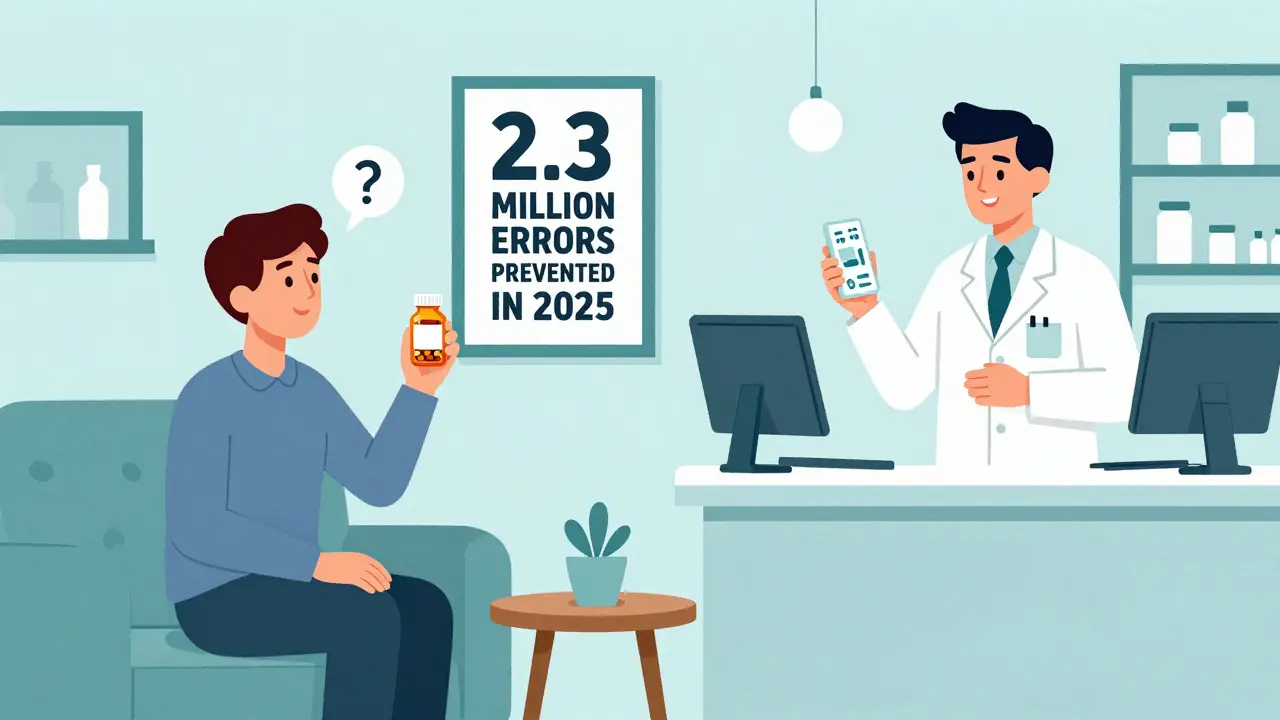
These updates aren’t about bureaucracy. They’re about survival. In 2025, an estimated 2.3 million serious medication errors were prevented worldwide because of these changes. That’s 2.3 million people who didn’t go to the ER, didn’t have organ damage, didn’t die.
The system is still broken. But it’s getting better.
Lebogang kekana
March 4, 2026 AT 01:13Justin Rodriguez
March 4, 2026 AT 01:46Raman Kapri
March 6, 2026 AT 00:05Megan Nayak
March 7, 2026 AT 21:33Tildi Fletes
March 9, 2026 AT 06:54Siri Elena
March 9, 2026 AT 23:08Pankaj Gupta
March 10, 2026 AT 07:12Betsy Silverman
March 11, 2026 AT 22:21Ivan Viktor
March 12, 2026 AT 05:46Zacharia Reda
March 12, 2026 AT 18:07Jeff Card
March 13, 2026 AT 08:40