
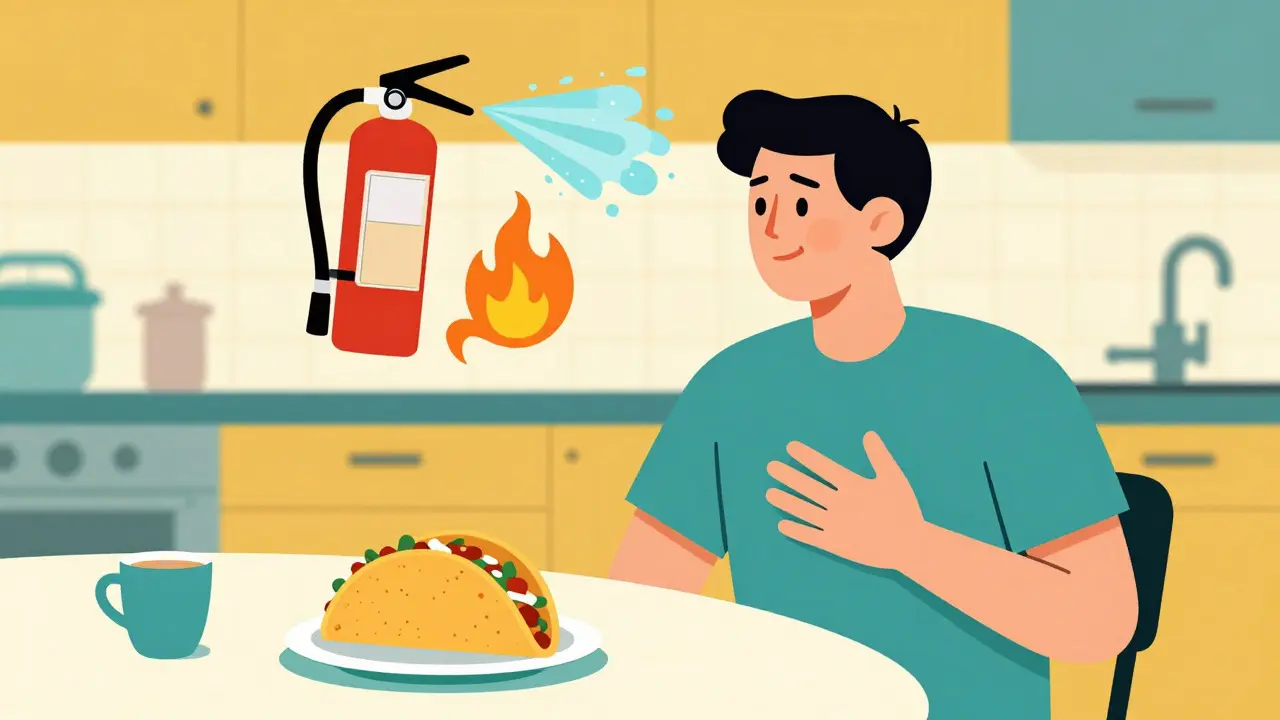
That burning sensation in your chest is more than just uncomfortable-it’s a signal that something is off with how your stomach handles acid. For millions of people, the pharmacy aisle offers three distinct paths to relief: antacids, H2 blockers, and proton pump inhibitors (PPIs). But picking the wrong one can mean wasting money, waiting too long for relief, or even triggering side effects you didn’t expect.
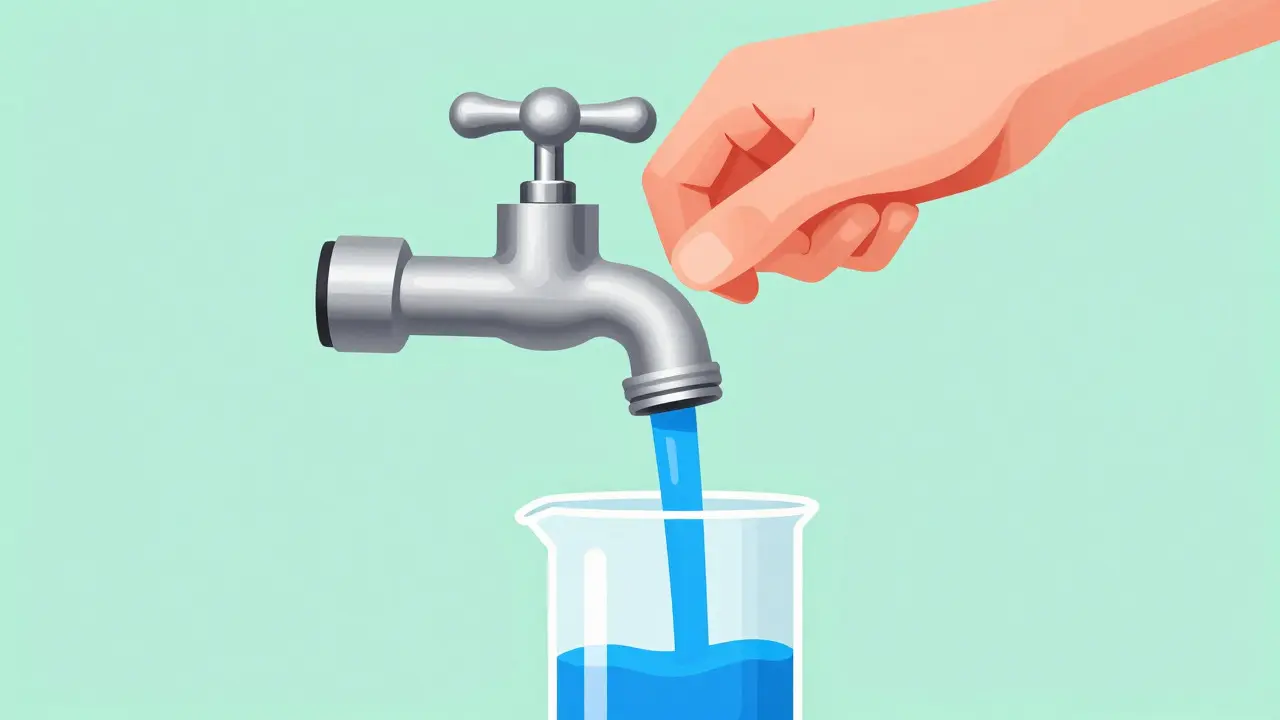
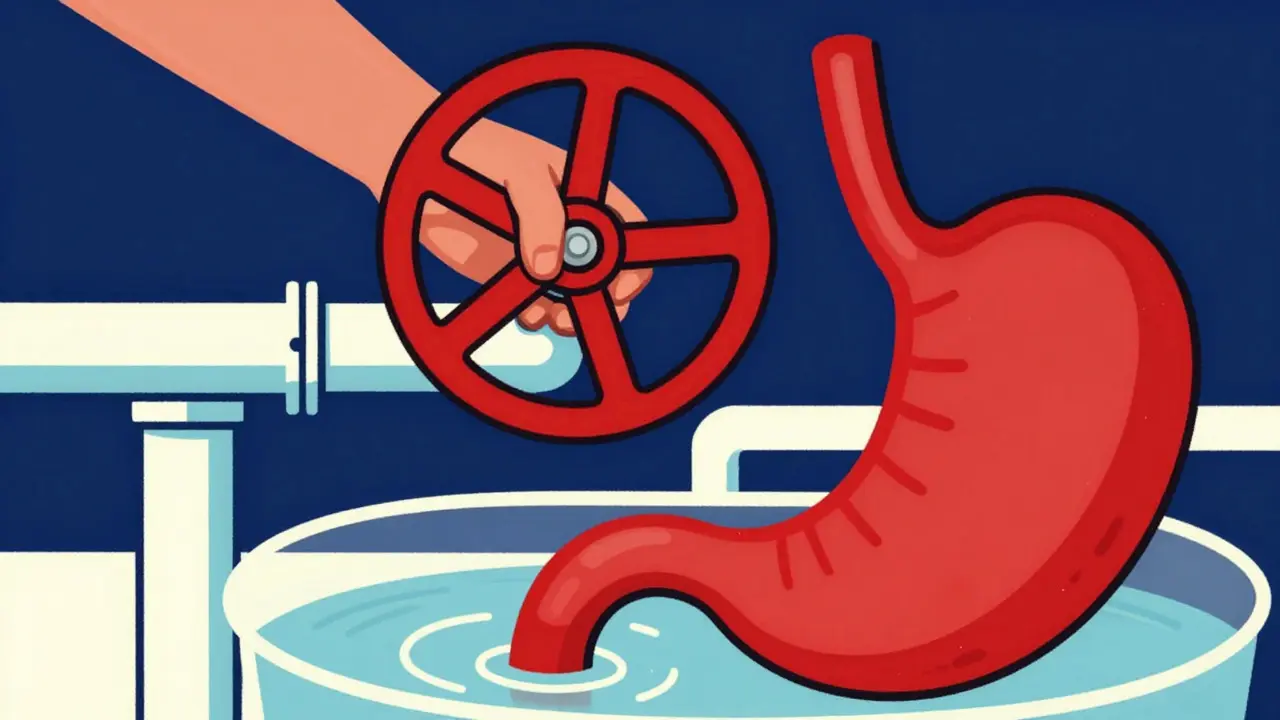
You don’t need a doctor’s note to buy these over-the-counter (OTC) options, but you do need to understand how they work. They are not interchangeable tools. One acts like a fire extinguisher, another like a dampener on a faucet, and the third shuts off the water supply entirely. Knowing which tool fits your specific situation-whether it’s occasional post-dinner discomfort or chronic daily pain-is the key to getting real relief without unnecessary risks.
Antacids: The Immediate Fire Extinguishers
If you just ate a spicy taco and feel that familiar burn rising, an antacid is a medication that chemically neutralizes existing stomach acid using alkaline compounds like calcium carbonate or magnesium hydroxide is your best friend. These are the oldest type of heartburn medicine, dating back to simple remedies like Milk of Magnesia in the late 1800s. Today, brands like Tums and Rolaids dominate this space.
Antacids work fast-literally within 30 to 120 seconds. They don’t stop your stomach from making acid; they simply cancel out the acid that is already there. This makes them perfect for occasional, mild heartburn that happens less than once a week. However, their effect is short-lived, typically lasting only 30 to 60 minutes. If you have severe or frequent symptoms, you might find yourself popping tablets constantly, which isn’t sustainable.
- Best for: Occasional, mild heartburn after meals.
- Onset: Within 2 minutes.
- Duration: 30-60 minutes.
- Common Ingredients: Calcium carbonate (Tums), aluminum hydroxide, magnesium hydroxide.
- Pitfall: Can interfere with the absorption of other medications if taken at the same time. Always wait two hours between taking antacids and other drugs.
One hidden issue with some antacids, particularly those containing calcium carbonate, is "rebound acid." In about 30% of users, the stomach may produce even more acid after the antacid wears off, leading to a cycle of dependency. If you find yourself needing them multiple times a day, it’s time to step up to a different class of medication.
H2 Blockers: The Predictable Dampeners
When antacids aren’t enough because the relief doesn’t last, H2 blockers are medications that reduce acid production by blocking histamine receptors in the stomach lining offer a middle ground. Famotidine (Pepcid AC) and cimetidine (Tagamet HB) are the most common OTC versions. Unlike antacids, these drugs actually slow down the creation of new acid rather than just neutralizing what’s already there.
H2 blockers take longer to kick in-you’re looking at 60 to 180 minutes before you feel relief-but they last much longer, providing coverage for 8 to 12 hours. This makes them ideal for predictable episodes. Do you know you’ll be eating a heavy meal later? Take an H2 blocker beforehand. It suppresses acid secretion by about 60-70%, which is significant but not total.
- Best for: Predictable heartburn, such as after known trigger meals, occurring 1-2 times per week.
- Onset: 1 to 3 hours.
- Duration: 8-12 hours.
- Common Ingredients: Famotidine (Pepcid), cimetidine (Tagamet).
- Pitfall: Their effectiveness can diminish after 2-3 weeks of continuous use due to tolerance. They also interact with certain blood thinners like warfarin.
The American Gastroenterological Association recommends H2 blockers for patients who experience heartburn infrequently but predictably. They are safer for longer-term occasional use than PPIs, but they won’t cut through severe, constant burning.
PPIs: The Heavy-Duty Shutdowns
For those suffering from frequent heartburn-two or more days a week-Proton Pump Inhibitors (PPIs) are powerful medications that irreversibly block the enzyme in stomach cells responsible for producing acid are the gold standard. Brands like Prilosec (omeprazole), Nexium (esomeprazole), and Prevacid (lansoprazole) fall into this category. PPIs provide the strongest acid suppression available OTC, reducing acid production by 90-98%.
Here is the catch: PPIs are not for immediate relief. They can take 24 to 72 hours to reach full effect. You have to take them consistently, usually every morning 30-60 minutes before breakfast, for them to work properly. The FDA limits OTC PPI use to 14 consecutive days. If you still have symptoms after two weeks, you need to see a doctor. Long-term use carries risks, including potential vitamin B12 deficiency, magnesium issues, and a slightly increased risk of bone fractures and kidney problems.
- Best for: Frequent heartburn (≥2 days/week) and healing esophagitis.
- Onset: 1 to 3 days for full effect.
- Duration: Up to 24 hours with proper dosing.
- Common Ingredients: Omeprazole (Prilosec), esomeprazole (Nexium), lansoprazole (Prevacid).
- Pitfall: Must be taken on an empty stomach before food. Do not crush or chew delayed-release tablets. Limit use to 14-day courses unless directed by a physician.
Despite the risks, PPIs are highly effective when used correctly. Studies show they reduce symptoms in 90% of users with frequent heartburn over a 14-day period. Just remember: they are a treatment for a condition, not a quick fix for a bad burger.
Comparison Table: Which One Fits Your Needs?
| Feature | Antacids | H2 Blockers | PPIs |
|---|---|---|---|
| Speed of Relief | Immediate (minutes) | Moderate (1-3 hours) | Slow (1-3 days) |
| Duration | Short (30-60 mins) | Medium (8-12 hours) | Long (up to 24 hours) |
| Acid Suppression | Neutralizes existing acid | Reduces production (60-70%) | Blocks production (90-98%) |
| Frequency of Use | Occasional (<1x/week) | Infrequent (1-2x/week) | Frequent (≥2x/week) |
| Max OTC Duration | As needed | 10 days (typically) | 14 consecutive days |
| Cost Range | $2.99 - $5.99 | $8.99 - $14.99 | $12.99 - $19.99 |
How to Choose and Use Safely
Selecting the right medication starts with assessing your symptom pattern. If heartburn is a rare visitor, stick with antacids. If it shows up regularly after dinner or weekends, try an H2 blocker preventatively. If it’s a daily struggle affecting your sleep and quality of life, a 14-day course of a PPI is appropriate.
Timing is everything. Antacids can be taken anytime symptoms strike. H2 blockers work best when taken 30-60 minutes before a meal that triggers reflux. PPIs must be taken first thing in the morning, at least 30 minutes before breakfast, to align with your body’s natural acid production cycles. Taking them with food significantly reduces their effectiveness.
Be mindful of interactions. Antacids can block the absorption of antibiotics and thyroid medications. H2 blockers can affect blood thinners. PPIs have been linked to higher risks of C. diff infections and pneumonia with long-term use. Always read the label and consult a pharmacist if you take other regular medications.
When to See a Doctor
OTC medications are powerful, but they are not a cure-all. You should seek medical advice if:
- You have tried a 14-day course of PPIs with no improvement.
- You experience difficulty swallowing, painful swallowing, or feeling like food gets stuck.
- You have unexplained weight loss or vomiting.
- Your heartburn persists despite lifestyle changes and medication.
- You need to use OTC heartburn meds more than twice a month.
These could be signs of GERD (gastroesophageal reflux disease), ulcers, or other serious conditions that require prescription treatment or further diagnostic testing like an endoscopy.
Can I take antacids and PPIs together?
Yes, many people combine them for breakthrough symptoms. However, you should separate them by at least two hours. Take your PPI in the morning before breakfast, and use the antacid only if you get sudden heartburn later in the day. The antacid won’t stop the PPI from working if spaced correctly.
Why does my PPI stop working after a few weeks?
This phenomenon is known as tachyphylaxis or tolerance. While PPIs generally maintain efficacy longer than H2 blockers, some users experience reduced effectiveness over time. Additionally, if you haven’t addressed dietary triggers, the underlying cause remains. If this happens, consult a doctor to adjust your dosage or switch medications.
Are generic PPIs as effective as brand names?
Yes. Generic omeprazole, esomeprazole, and lansoprazole are bioequivalent to their brand-name counterparts like Prilosec and Nexium. They contain the same active ingredients in the same doses and meet FDA standards for safety and efficacy, often at a fraction of the cost.
What are the long-term risks of using PPIs?
Long-term daily use (more than a year) has been associated with an increased risk of chronic kidney disease, bone fractures due to reduced calcium absorption, and deficiencies in vitamin B12 and magnesium. There is also a slightly higher risk of certain intestinal infections. This is why doctors recommend using the lowest effective dose for the shortest duration possible.
Do H2 blockers cause drowsiness?
Older H2 blockers like cimetidine (Tagamet) can cross the blood-brain barrier and cause drowsiness or confusion in some people, especially the elderly. Newer ones like famotidine (Pepcid) are less likely to cause these central nervous system side effects. If you feel tired after taking an H2 blocker, try switching to famotidine.
teresa baldini
August 13, 2026 AT 19:57Oh, absolutely! The pharmaceutical industry wants you to believe these are safe. They do not want you to know that the "rebound acid" is actually a manufactured dependency cycle designed to keep you buying Tums for life. It is a conspiracy of convenience.