
Brand to Generic Switch: What You Need to Know Before Making the Change
When you hear brand to generic switch, the process of replacing a name-brand medication with its chemically identical generic version. Also known as generic substitution, it's one of the most common ways to cut drug costs without losing effectiveness. Most people assume generics are cheaper because they're weaker—but that’s not true. The FDA, the U.S. agency that approves all prescription and over-the-counter drugs requires generics to have the same active ingredient, strength, dosage form, and route of administration as the brand. They must also work the same way in your body. The only differences? Color, shape, taste, and price.
So why do so many people worry? It’s not about science—it’s about perception. Some patients report feeling different after switching, even when the drug is identical. That’s often the nocebo effect, when negative expectations cause real physical symptoms, not the drug itself. A 2021 study in JAMA found that patients who believed generics were inferior were more likely to report side effects—even when they were taking the exact same pill. Your mind can trick you. But the data doesn’t lie: 90% of U.S. prescriptions are filled with generics, and they save the system over $445 billion a year. That’s billions in savings, all while keeping people healthy.
Not every switch is automatic. Some medications—like thyroid pills, blood thinners, or seizure drugs—need extra care because tiny changes in absorption can matter. That’s why your doctor or pharmacist might ask you to stick with one brand or generic version. But for most drugs—antibiotics, statins, antidepressants, high blood pressure meds—switching is safe and smart. If you’re switching, keep a medication journal, a simple log of how you feel after each dose. Note energy levels, sleep, mood, or any new symptoms. That data helps you and your provider spot real issues, not just worries.
And yes, the pills look different. That’s not a bug—it’s the law. U.S. trademark rules force generic makers to make their pills look different from the brand. So if your new pill is blue instead of white, or oval instead of round, it’s still the same medicine inside. Don’t panic. Just double-check the name and dose with your pharmacist.
What you’ll find in the posts below is a clear, no-fluff look at what happens when you switch—from how doctors around the world see generics, to why some people still distrust them, to how supply chains and storage affect your pills. You’ll learn how to track your response, what to watch for, and why the system works better than most people think. This isn’t about marketing. It’s about your health, your money, and your right to know what’s really in that bottle.
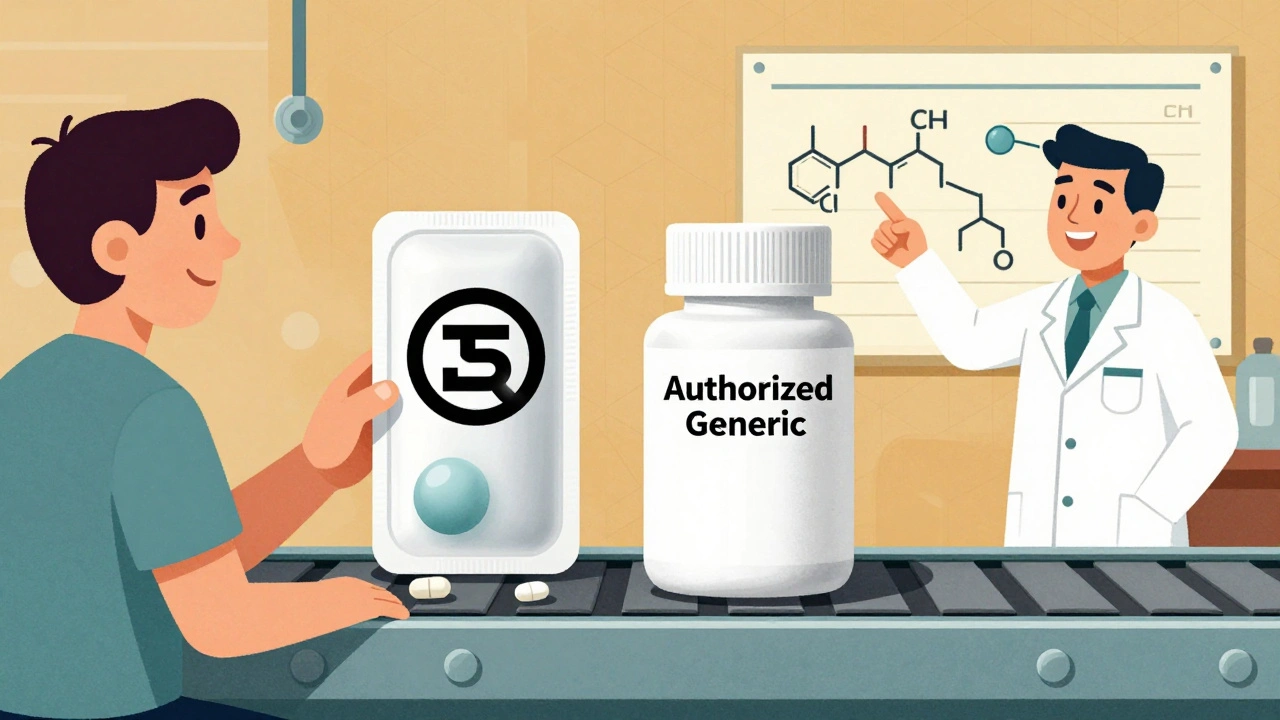
Authorized Generics: A Smarter Switch When Moving Away From Brand Name Drugs
Authorized generics offer the exact same medication as brand-name drugs at lower prices, with no changes to ingredients or effectiveness. Ideal for patients sensitive to generic fillers, they provide a safer, more consistent switch than traditional generics.