
Congressional Bills and Their Impact on Medications and Healthcare Access
When you pick up a prescription, you’re not just getting a pill—you’re feeling the ripple of congressional bills, legislation passed by the U.S. Congress that directly controls how drugs are made, priced, and distributed. Also known as healthcare legislation, these laws decide whether a generic version of your medicine can hit the market, how much pharmacies get paid for it, and even whether a life-saving drug stays affordable. Most people don’t realize that the color of their pill, the price on their receipt, or whether their insurance covers a new treatment all started as a bill in Washington.
Take generic drug access, the ability for lower-cost versions of brand-name medicines to enter the market after patents expire. Also known as generic medication availability, it’s been shaped by laws like the Hatch-Waxman Act and the Biologics Price Competition and Innovation Act. These bills created the legal pathway for generics to be approved faster and cheaper, saving Americans over $445 billion since 1984. But recent bills have tried to block delays by brand-name companies that lock out generics—like paying them to wait before letting cheaper versions launch. That’s why you see so many posts here about why generics look different, how they’re made, and why trust in them still lags despite FDA approval. Then there’s drug pricing legislation, bills aimed at forcing pharmaceutical companies to justify price hikes and cap out-of-pocket costs for seniors. Also known as medication affordability laws, these have sparked heated debates over whether the government should negotiate prices directly with makers of drugs like insulin or fentanyl patches. The same bills that try to lower costs also affect how pharmacies stock medicines, how patients store them at home, and even whether counterfeit pills slip through the cracks.
And it’s not just about cost. FDA regulations, the rules that determine how drugs are tested, labeled, and monitored after approval. Also known as pharmaceutical oversight, they’re written and updated because of congressional pressure. A bill might demand better warnings on fentanyl patches because heat can cause overdose, or require clearer Spanish-language labels because patients need to understand what’s in their medicine. These rules show up in posts about how humidity ruins pills, how to safely inject biologics at home, or why you shouldn’t keep meds in the bathroom. Every time you read about drug interactions, storage safety, or antibiotic resistance, you’re reading the result of a bill that passed—or one that didn’t.
What you’ll find below isn’t just a list of articles. It’s a map of how laws written in Washington affect your medicine cabinet. From how generics are made in China and India to why your insulin costs what it does, these posts connect the dots between policy and your daily health. You’ll see how legislation shapes what drugs are available, how safe they are, and who gets to use them. No jargon. No fluff. Just the real links between the bills and your pills.
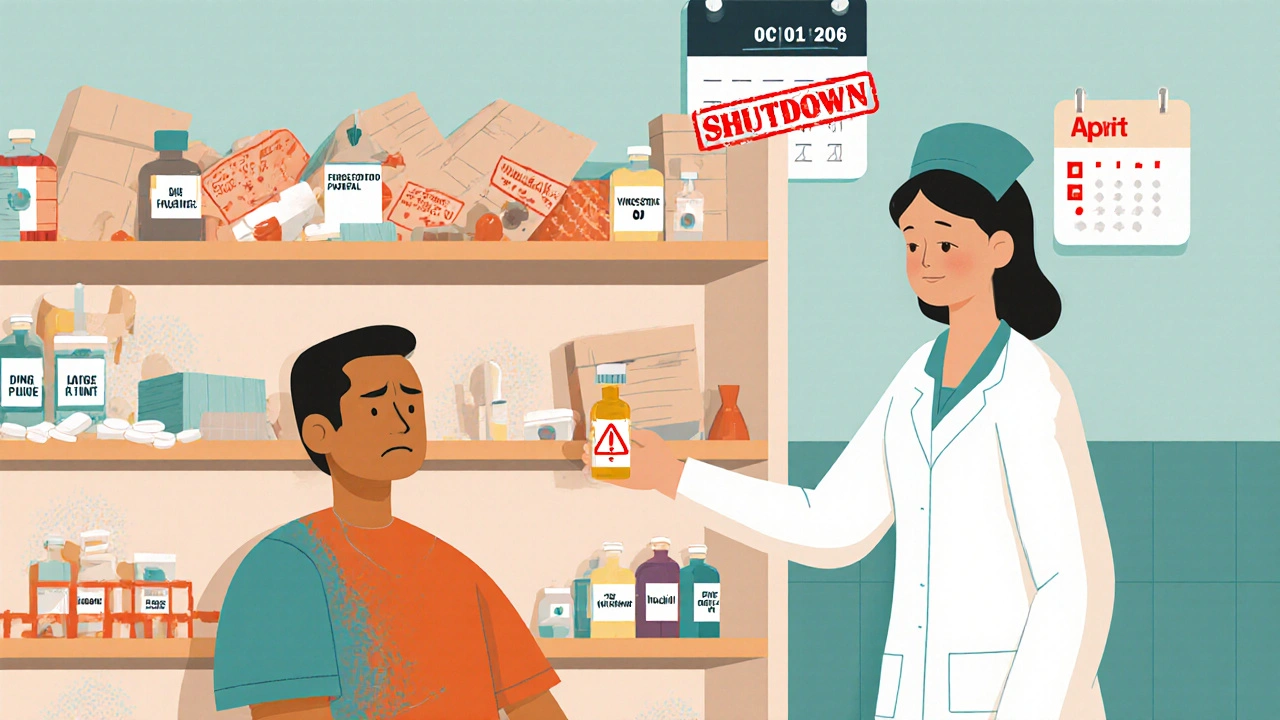
Congressional Bills Aim to Tackle Rising Drug and Healthcare Provider Shortages
Congress is proposing two bills to tackle drug and healthcare provider shortages, but a historic government shutdown is stalling progress. Here's what's in the legislation and why it matters for patients.