
Drug Cost Savings: How Generics, Biosimilars, and Smart Choices Cut Your Medication Bills
When it comes to drug cost savings, the reduction in spending on prescription medications through alternatives like generics and biosimilars. Also known as medication affordability, it’s not just about saving money—it’s about making sure people can actually afford to stay healthy. The U.S. spends more on prescription drugs than any other country, yet generics make up 90% of prescriptions and only 12% of total drug spending. Since 1984, they’ve saved the system over $445 billion. That’s not a rumor. That’s a fact backed by data from the FDA and independent health economists.
So how does this work? generic medications, FDA-approved versions of brand-name drugs with the same active ingredients, dosage, and effectiveness. Also known as off-patent drugs, they’re not cheaper because they’re weaker—they’re cheaper because manufacturers don’t have to repeat billion-dollar clinical trials. The same goes for biosimilars, highly similar versions of complex biologic drugs like those used for rheumatoid arthritis or cancer. Also known as biologic generics, they’re not copies—they’re carefully engineered duplicates that cut costs by 15% to 30% after regulatory approval. Europe adopted these faster than the U.S., not because their doctors are smarter, but because their systems encouraged competition. Now, the U.S. is catching up thanks to new FDA policies and laws pushing insurers to cover biosimilars.
But savings don’t just come from switching pills. They come from knowing where to look. A pill made in India or China might cost a fraction of what it does in a U.S. pharmacy, and the supply chain that brings it to your shelf is more complex than most realize. Storage matters too—heat and humidity can ruin meds before their expiration date, forcing people to buy more than they need. Even how you take your drugs affects cost: skipping doses or mixing them with grapefruit can lead to hospital visits that cost ten times more than the original prescription.
Doctors in Asia see generics as lifelines. In Europe, they’re standard practice. In the U.S., many patients still worry they’re getting second-rate medicine—even though the FDA requires generics to be just as safe and effective. That fear isn’t based on science. It’s based on packaging. Brand-name drugs look different because of trademark laws, not because they work better. When you switch to a generic, you’re not taking a risk—you’re making a smart, evidence-backed choice.
And it’s not just about pills. Your medication journal, multilingual emergency lists, and even tracking non-scale victories like better sleep or lower cholesterol all tie back to one thing: control. When you understand your drugs, you avoid waste, prevent dangerous interactions, and reduce the chance of side effects that lead to more prescriptions. That’s real drug cost savings—not just lower sticker prices, but fewer trips to the ER, fewer missed workdays, and fewer unnecessary tests.
Below, you’ll find real stories and straight facts from people who’ve cut their medication bills by switching to generics, using biosimilars, storing drugs properly, and asking the right questions at the pharmacy. No fluff. No hype. Just what works—and what doesn’t—when it comes to keeping your health on track without breaking the bank.
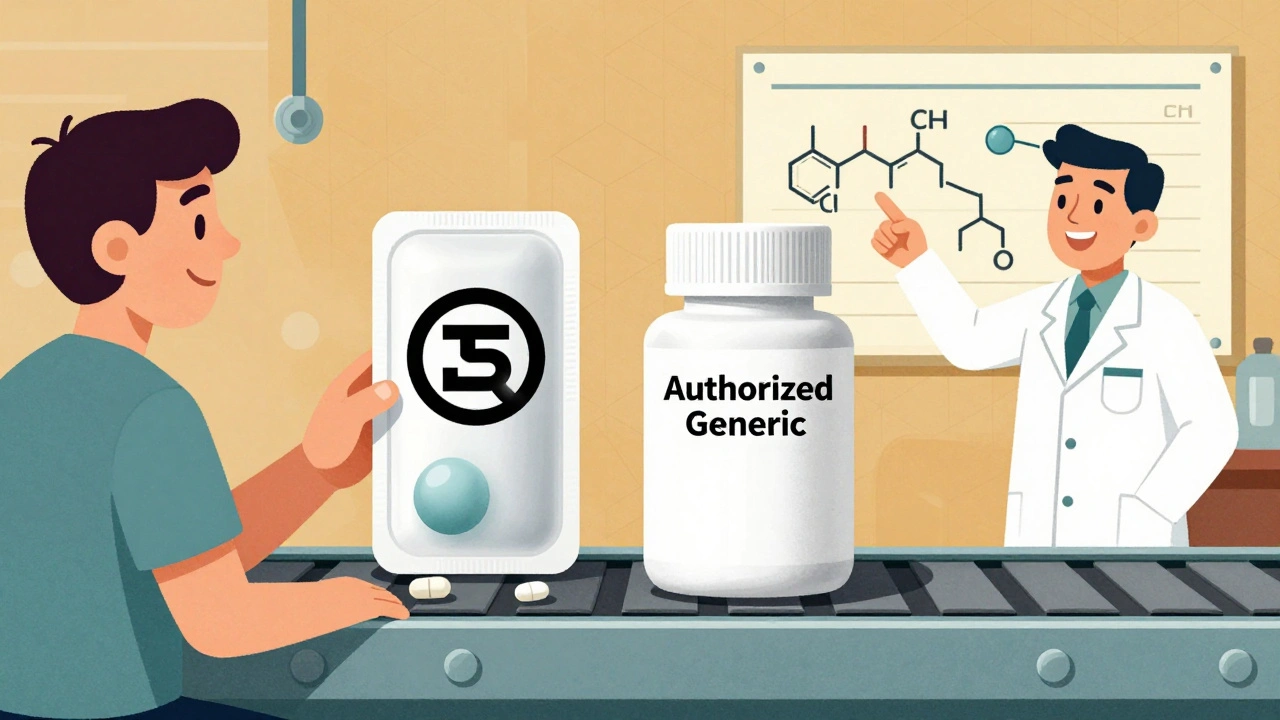
Authorized Generics: A Smarter Switch When Moving Away From Brand Name Drugs
Authorized generics offer the exact same medication as brand-name drugs at lower prices, with no changes to ingredients or effectiveness. Ideal for patients sensitive to generic fillers, they provide a safer, more consistent switch than traditional generics.