
Drug Expectations: What You Really Need to Know About Generics, Biosimilars, and Medication Truths
When you hear drug expectations, the beliefs and assumptions people hold about how medications should work, including cost, appearance, and effectiveness. Also known as medication assumptions, it often leads to confusion when a pill looks different, costs less, or doesn't feel like it "should" work. Most people assume brand-name drugs are stronger, safer, or more reliable. But the truth? Generic drugs are required by the FDA to deliver the same active ingredient, in the same amount, with the same effect. They’re not cheaper because they’re weaker—they’re cheaper because they don’t pay for ads, fancy packaging, or patent lawyers.
Then there’s generic drugs, medications that copy brand-name drugs after patents expire, with identical active ingredients and proven effectiveness. They make up 90% of prescriptions in the U.S. but cost just 12% of total drug spending. Still, many patients worry they’re getting second-rate medicine. That fear isn’t just about price—it’s about control. When your pill changes color or shape, it feels like your treatment changed. But it didn’t. The FDA requires generics to match brand drugs in strength, purity, and performance. The only differences? Fillers, dyes, and trademarks. And if you’re sensitive to those? Authorized generics exist—they’re the exact same as the brand, just sold under a different label at a lower price.
biosimilars, highly similar versions of complex biologic drugs, made after the original patent expires and tested to prove near-identical results. These aren’t your regular generics. Biologics are made from living cells, not chemicals, so copying them is harder. But they’re not copies—they’re near-matches. Europe adopted them fast because they cut costs without sacrificing outcomes. The U.S. is catching up, thanks to new laws and clearer FDA rules. If you’re on a biologic like Humira or Enbrel, you might soon switch to a biosimilar—and save thousands a year. The science is solid. The hesitation? Mostly from outdated fears.
And then there’s the quiet danger: medication safety, the practice of using drugs correctly to avoid harm from interactions, storage errors, or misunderstandings. A single OTC cold pill with ephedrine can spike your blood pressure to dangerous levels if you’re on an MAO inhibitor. Heat and humidity can wreck your pills before their expiration date. Storing meds in the bathroom? That’s not a storage solution—it’s a risk. Your medication journal isn’t just for tracking side effects—it’s your shield against hidden problems. And if you’re traveling? A multilingual medication list isn’t optional. It’s your lifeline.
Drug expectations are shaped by marketing, old habits, and fear. But the real story? It’s in the data. It’s in the labs. It’s in the millions of people who take generics every day without issue. The system isn’t perfect. Supply chains are fragile. Counterfeits exist. But the core truth remains: most of the time, the cheaper pill works just as well. You don’t need to trust the brand. You need to understand the science. And you need to know what to watch for.
Below, you’ll find real-world guides on how generics are made, how to track your response to them, how to spot dangerous interactions, and why some drugs expire faster than others. No fluff. No hype. Just what works, what doesn’t, and what you need to know to stay safe and in control.
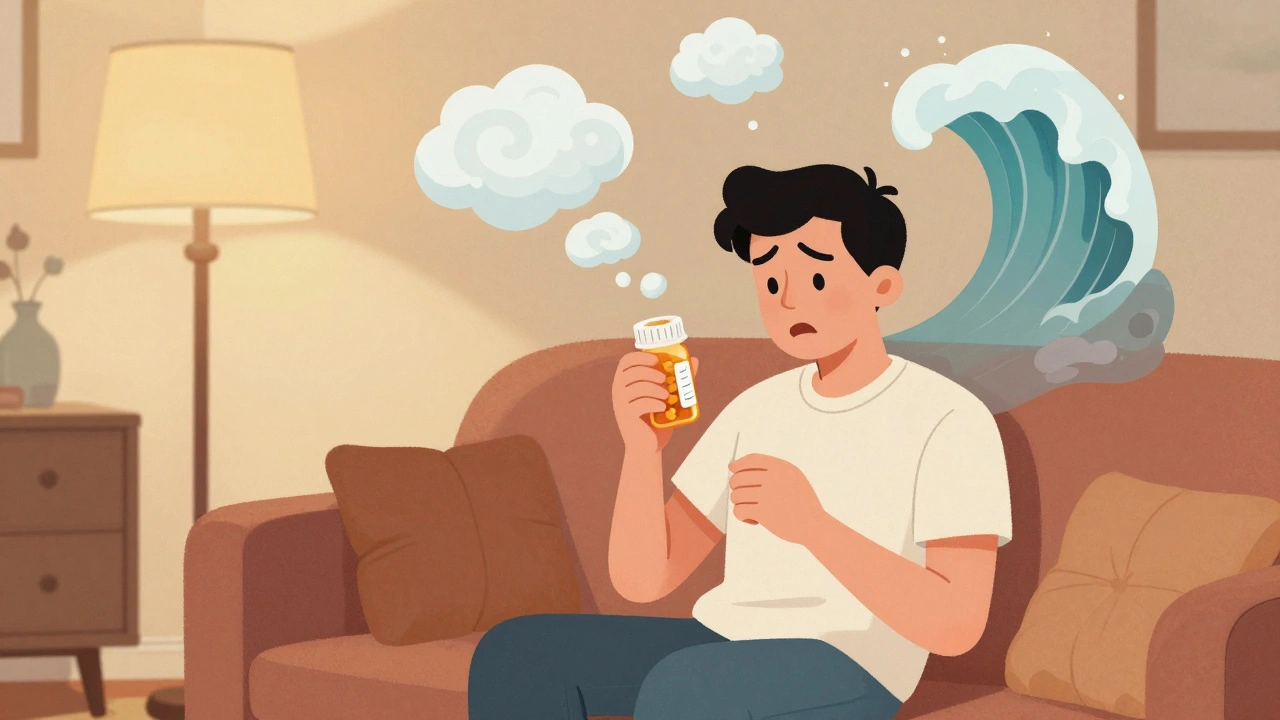
The Nocebo Effect in Medications: Why Expectations Shape Your Side Effects
The nocebo effect explains why people often feel side effects from medications-even when the drug is inert. Expectations, not chemistry, can trigger real symptoms. Learn how your mindset shapes your experience with pills.