
Drug Safety: Practical Strategies for Safer Medications
Ever wondered if a prescription from an online pharmacy is legit or if you might be risking your health? Drug safety isn't just about side effects—it's about getting the right meds, at the right dose, from a trustworthy source. Lots of people want cheap deals online, but the wrong shortcut can lead to fake pills, wasted money, or worse, a trip to the ER.
Buying medication online feels convenient. But the sad reality? There are tons of scam websites and counterfeit drugs floating around. Always check for verified pharmacy licenses, clear contact info, and real reviews. Don’t trust crazy-low prices. If they're offering prescription drugs without a prescription, something's off. For example, look for seals like VIPPS in the US or CIPA in Canada—these mean stricter safety checks.
Even with a trusted pharmacy, knowing what’s actually in your meds is half the battle. Counterfeit drugs might look identical, but could contain zero active ingredient—or something harmful. Stick to pharmacies that require a valid prescription and offer clear info about where their meds are sourced. If you’re in doubt, check the drug’s packaging and markings online before you pop that pill.
Swapping meds or trying newer substitutes? Always talk to your doctor first. Some people turn to alternatives when their old meds cause side effects or stop working. But switching drugs without guidance can cause allergic reactions, interactions, or reduced effectiveness. For example, when people swap diabetes or herpes meds without medical advice, they often end up with unhelpful results or more side effects. Don’t gamble with your health for convenience.
Traveling or trying to save money with cross-border pharmacy shopping? Lots of Americans buy meds from Canada to cut costs. This only makes sense if you check the pharmacy for government certification. Guides and honest reviews are great—but check those details yourself. Always look up any changes in laws or what’s allowed to ship into your country.
If you take multiple prescriptions, track your meds closely. Drug interactions are one of the top causes of ER visits related to medication. Some apps or smart pillboxes help keep everything on schedule and flag risky combos. Your pharmacist should absolutely answer questions about possible interactions, side effects, or anything you’re unsure about.
No one wants to end up the cautionary tale because of a simple mistake. By choosing smart sources, asking questions, and staying informed, you actually take control of your health—and avoid a ton of headaches along the way.
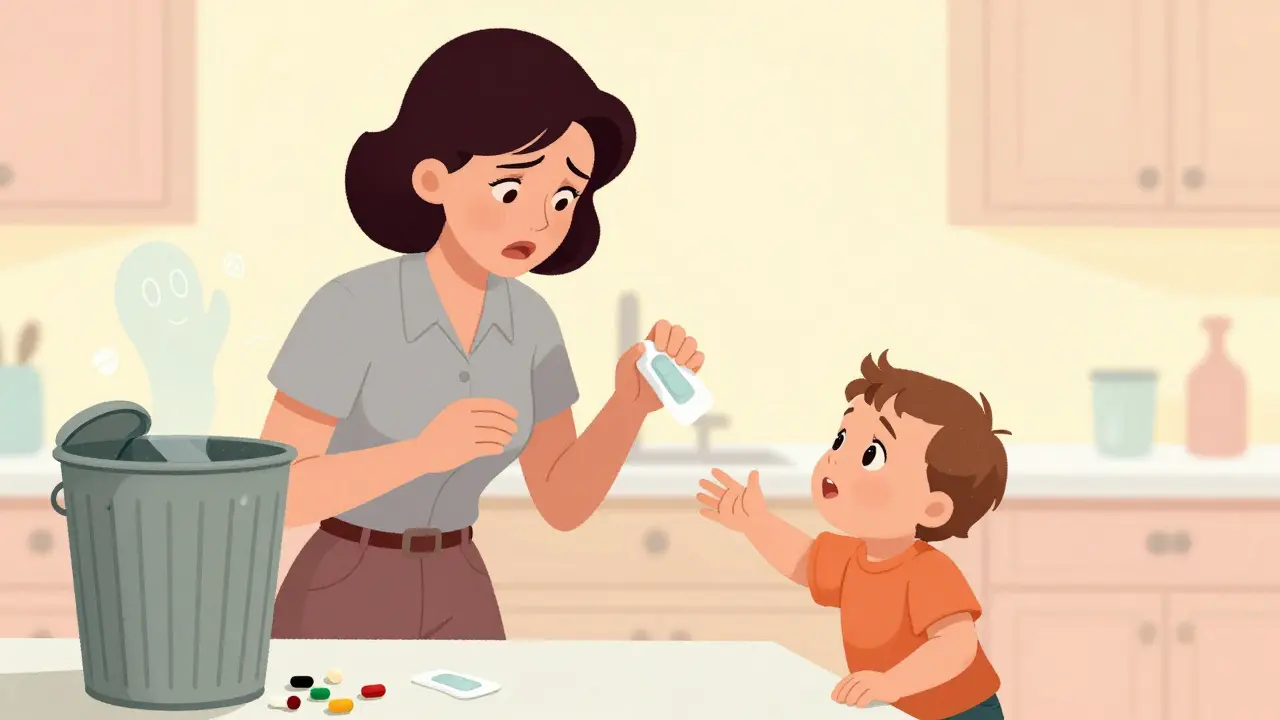
Medications Never to Put in Household Trash: A Safety List
Some medications are so dangerous they must be flushed down the toilet, not thrown in the trash. Learn which drugs are on the FDA's safety list and how to dispose of them properly to prevent accidental overdose and misuse.

Cordarone: Complete Guide to Usage, Risks, Side Effects, and Safe Handling
Get the inside scoop on Cordarone (amiodarone): how it works, side effects, risks, and tips for patients who need efficient arrhythmia control.