
Drug Shortage Prevention Act: How It Stops Medication Shortages and Protects Your Health
When your prescription suddenly isn’t available, it’s not just inconvenient—it’s dangerous. The Drug Shortage Prevention Act, a U.S. law designed to reduce critical medication shortages by improving transparency and supply chain resilience. Also known as the Drug Supply Chain Security Act amendments, it was created because too many patients were left without life-saving drugs like insulin, antibiotics, or chemotherapy agents. This isn’t about rare cases. In 2023 alone, over 300 drugs hit shortage lists, and nearly half of them were generics—medications you rely on because they’re affordable and widely used.
The generic drug supply chain, the complex network that moves active ingredients from factories in Asia to U.S. pharmacies is the backbone of this system. But it’s also the weakest link. Most generic drugs are made overseas, and a single factory shutdown—due to quality issues, natural disasters, or political pressure—can ripple across the country. The pharmaceutical supply chain, the full route from raw materials to your medicine cabinet needs more than just good intentions. The Drug Shortage Prevention Act forces manufacturers to report potential disruptions early, so the FDA can step in before pharmacies run out.
It’s not just about where drugs are made. medication storage, how drugs are kept during transport and in warehouses matters too. Heat, humidity, and poor packaging can ruin pills before they even reach you. That’s why the Act pushes for better tracking and environmental controls. You might not think about it, but storing your insulin in a hot garage or your antibiotics in a steamy bathroom isn’t just a bad habit—it’s part of a larger system failure that the Act tries to fix.
And here’s the real truth: most shortages aren’t accidents. They’re the result of low profit margins. Generic drug makers can’t afford to keep extra stock on hand when they’re competing on price alone. The Drug Shortage Prevention Act doesn’t fix that directly—but it opens the door. By requiring early warnings and better data sharing, it gives regulators a chance to step in with incentives, emergency imports, or temporary production boosts.
What you’ll find in these articles isn’t just theory. You’ll see how heat ruins pills before their expiration date, why your generic meds look different from the brand name, and how a single factory in India can leave half the country without antibiotics. You’ll learn how storage mistakes make drugs useless, how supply chains are built on fragile international links, and why the same pill you got last month suddenly costs more—or isn’t there at all.
This isn’t about politics. It’s about your next refill. And the next one after that.
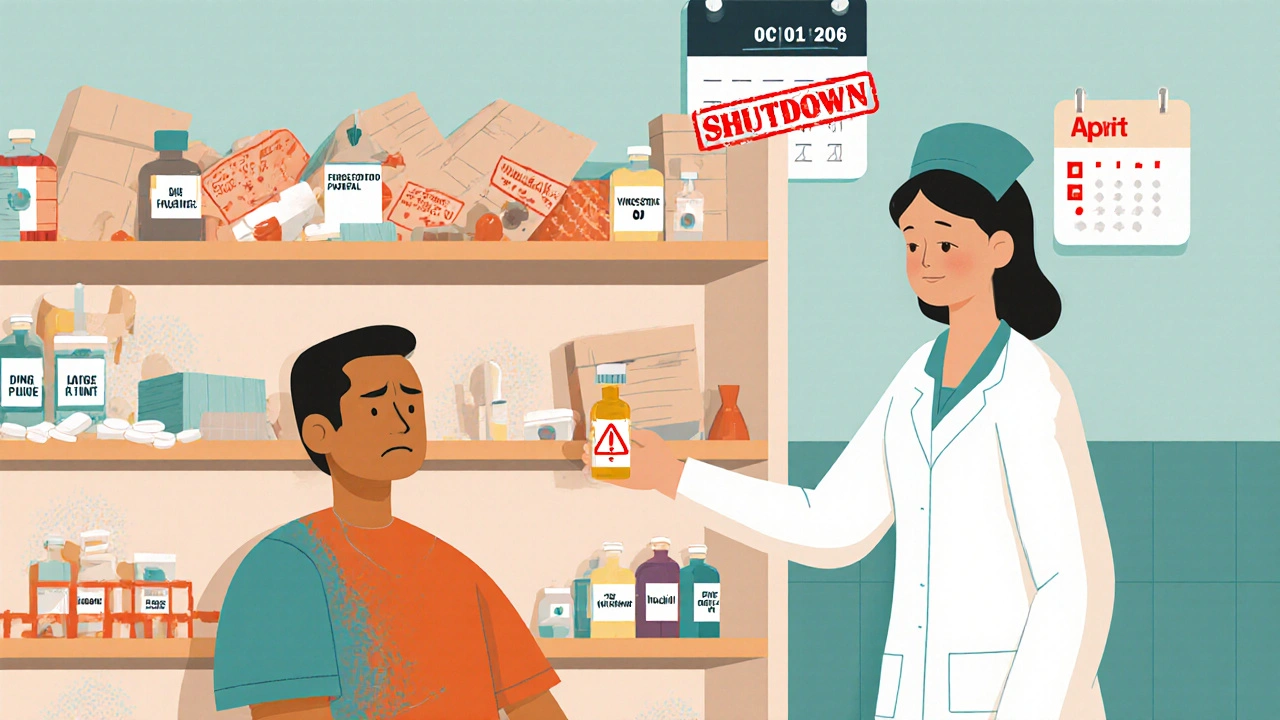
Congressional Bills Aim to Tackle Rising Drug and Healthcare Provider Shortages
Congress is proposing two bills to tackle drug and healthcare provider shortages, but a historic government shutdown is stalling progress. Here's what's in the legislation and why it matters for patients.