
Drug Shortages: Why Medications Disappear and What You Can Do
When your pharmacy says they’re out of your prescription, it’s not just inconvenient—it’s dangerous. Drug shortages, the sudden lack of available medications in the supply chain. Also known as medication shortages, they happen when manufacturers can’t produce enough to meet demand, and patients are left without critical treatments. This isn’t rare. In 2023, over 300 drugs were in short supply in the U.S., including antibiotics, heart meds, and even basic pain relievers. These aren’t niche drugs—they’re the ones millions rely on every day.
Generic drug supply chain, the complex network that moves low-cost medications from overseas factories to local pharmacies is the backbone of affordable care. But it’s also the weakest link. Most generic drugs are made in just a few countries, often with single-source suppliers for active ingredients. One factory shutdown, a quality control issue, or a raw material delay can ripple across the entire system. And when that happens, pharmacies don’t get restocked. Pharmacy stockouts, when a medication is completely unavailable at the point of care aren’t just a business problem—they’re a public health crisis. Patients with chronic conditions like epilepsy, hypertension, or diabetes are forced to switch meds mid-treatment, risking side effects or loss of control.
Heat, humidity, and improper storage can make drugs expire early, but drug shortages are different—they’re systemic. They’re tied to low profit margins, consolidation among manufacturers, and a lack of backup suppliers. Even when a drug is approved by the FDA, it might not be made at all because the price is too low to justify production. That’s why you’ll find a generic version of a drug one month, then nothing the next. It’s not your pharmacy’s fault. It’s not your doctor’s fault. It’s a broken system.
What can you do? Talk to your pharmacist. Ask if there’s an alternative, even if it’s a different brand or formulation. Keep a list of your meds and their manufacturers. If your drug is on the FDA’s shortage list, your doctor can request priority access. And if you’re on a long-term treatment, ask about having a small backup supply on hand—when possible. These aren’t perfect fixes, but they’re steps that keep you in control.
Below, you’ll find real-world guides on how medications are made, stored, and distributed—why they disappear, how to spot counterfeit versions, and what to do when your prescription vanishes. These aren’t theory pieces. They’re tools built by people who’ve lived through these shortages and figured out how to cope.
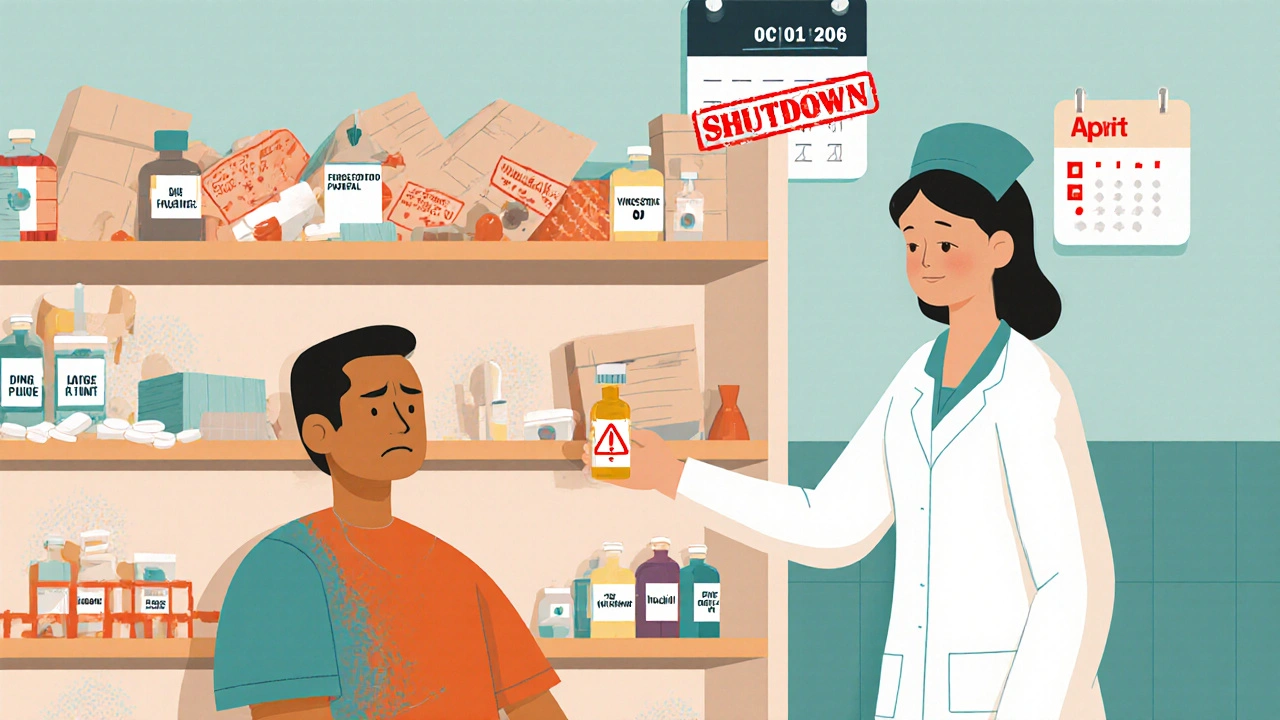
Congressional Bills Aim to Tackle Rising Drug and Healthcare Provider Shortages
Congress is proposing two bills to tackle drug and healthcare provider shortages, but a historic government shutdown is stalling progress. Here's what's in the legislation and why it matters for patients.