
Drug Spending: What It Costs, Who Pays, and How to Make Sense of It
When you hear drug spending, the total amount spent by individuals, insurers, and governments on prescription medications. Also known as pharmaceutical expenditure, it’s not just about pills—it’s about who can afford them, why prices keep climbing, and how choices like generics or alternatives can change everything. This isn’t theoretical. In the U.S. alone, people spent over $600 billion on prescription drugs last year. That’s more than the entire healthcare budget of many countries. And it’s not just Americans—drug spending is rising everywhere, pushing families to choose between meds, rent, or groceries.
Behind those numbers are real people skipping doses because a $500 monthly pill is out of reach. That’s why so many of our posts focus on generic medications, FDA-approved versions of brand-name drugs that work the same but cost a fraction. Also known as off-patent drugs, they’re not cheaper because they’re weaker—they’re cheaper because they don’t carry marketing overhead. We’ve got guides on how to spot legit online pharmacies for cheap generic Premarin, a hormone therapy often prescribed for menopause symptoms, or how to buy generic Motrin, the brand name for ibuprofen, a common pain reliever safely. These aren’t just money-saving tips—they’re survival tools.
But drug spending isn’t just about what’s on the shelf. It’s about what’s behind the price tag. Why does a fentanyl patch cost hundreds while a generic antifungal cream runs under $10? Why do some people pay $1,000 for a month of tamoxifen while others get it for $15? It’s not about the cost of ingredients—it’s about patents, monopolies, and insurance rules. That’s why we compare drugs like Nolvadex, the brand name for tamoxifen, used in breast cancer treatment to its alternatives, or break down why Careprost, a branded eyelash growth serum containing bimatoprost costs 10x more than its generic version. These comparisons aren’t just for curiosity—they’re for decision-making.
And it’s not just about buying pills. It’s about avoiding waste. Did you know heat can turn a fentanyl patch into a deadly overdose risk? Or that taking the wrong painkiller could wreck your liver? We cover those hidden dangers because knowing how drugs behave in your body helps you spend smarter—not just less. Whether you’re managing cat thyroid meds, kids’ antivirals, or your own arthritis, the goal is the same: get the right treatment without getting buried in bills.
Below, you’ll find real, no-fluff guides on how to cut costs without cutting corners. From Spanish-language tools for non-native speakers to detailed side-by-side comparisons of every major drug alternative, these posts are built for people who need answers, not sales pitches. You don’t need a degree in pharmacology to understand this stuff. You just need to know what to look for—and we’ve got you covered.
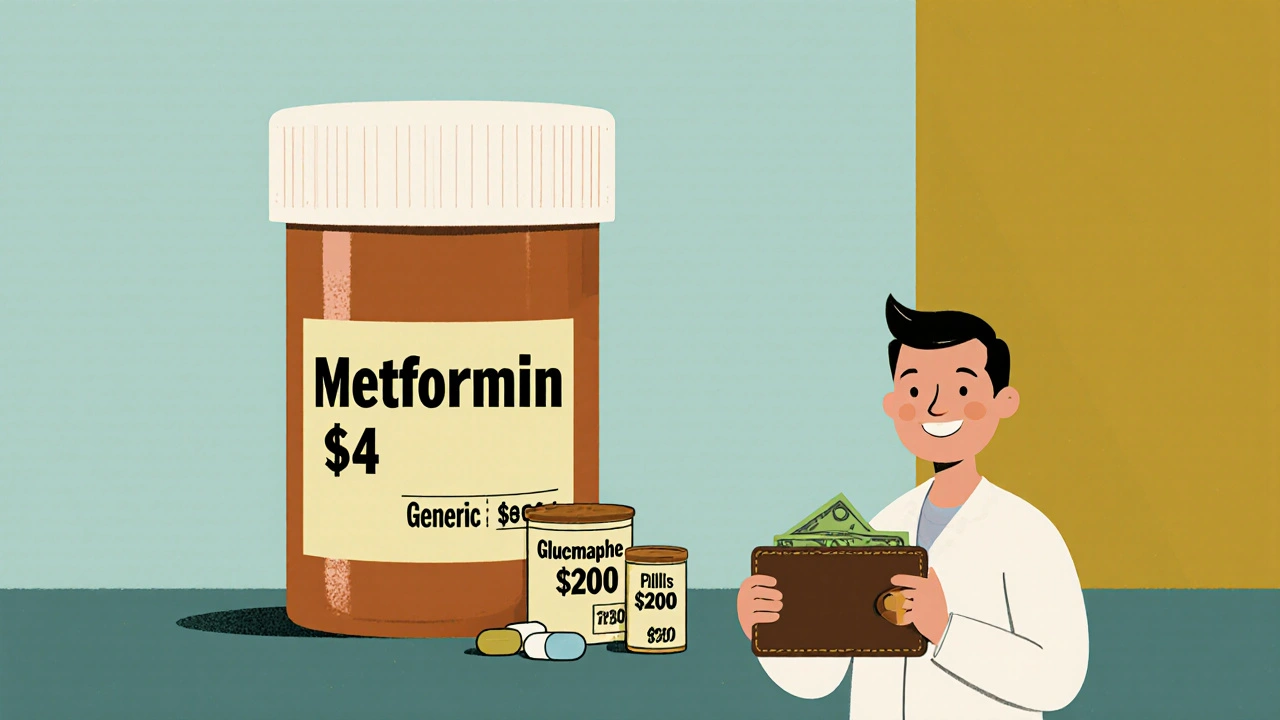
How Generics Control Healthcare Drug Spending: The Real Cost Savings
Generics make up 90% of U.S. prescriptions but only 12% of drug spending, saving $445 billion since 1984. Learn how they cut costs, why they’re safe, and what’s blocking even bigger savings.