
Emergency Medication List: What to Keep on Hand and Why It Matters
When something goes wrong—whether it’s a sudden allergic reaction, a spike in blood pressure, or a severe asthma attack—having the right emergency medication list, a curated set of life-saving drugs kept accessible and up to date. Also known as a crisis drug kit, it’s not just about having pills on hand—it’s about knowing exactly what to use, when, and how. This isn’t a luxury. It’s a basic safety net for you and your family.
Many people don’t realize how quickly things can turn dangerous without the right meds ready. Take drug interactions, when two or more medications, supplements, or even foods react in harmful ways. A single OTC cold pill with ephedrine can cause a deadly spike in blood pressure if someone’s on an MAO inhibitor. Or, if you’re taking statins, not knowing your liver enzyme levels could mean missing early signs of damage. These aren’t rare cases—they happen every day, often because people don’t have a clear plan. Your emergency medication list should include not just the drugs, but also notes on what to avoid, who to call, and how to recognize trouble.
Then there’s medication storage, how and where you keep your drugs, which directly affects whether they work when you need them. Heat, humidity, and light can ruin pills long before their expiration date. Fentanyl patches can overdose you if your shower is too hot. Generic meds can look totally different from brand versions, and if you don’t know why, you might panic and skip a dose. Storing your emergency meds in a cool, dry place, away from kids and pets, and labeling them clearly isn’t just smart—it’s essential. And don’t forget to check expiration dates. A forgotten epinephrine auto-injector past its date won’t save you.
You’ll also find posts here that explain how generic medications, the same active ingredients as brand drugs but at a fraction of the cost fit into your emergency plan. They’re just as effective, but confusion over appearance or misinformation can make people hesitate. That hesitation costs time. Your list should include generics you trust, with clear notes on what they treat and how to identify them. And if you’re managing chronic conditions like diabetes, high blood pressure, or asthma, your emergency meds aren’t optional—they’re your lifeline.
What you’ll find below are real, practical guides on exactly how to build, maintain, and use your emergency medication list. From tracking side effects and avoiding deadly interactions to storing pills safely and understanding why your meds look different, every post here is written for someone who needs answers now—not someday. This isn’t theory. It’s what keeps people alive when things go sideways.
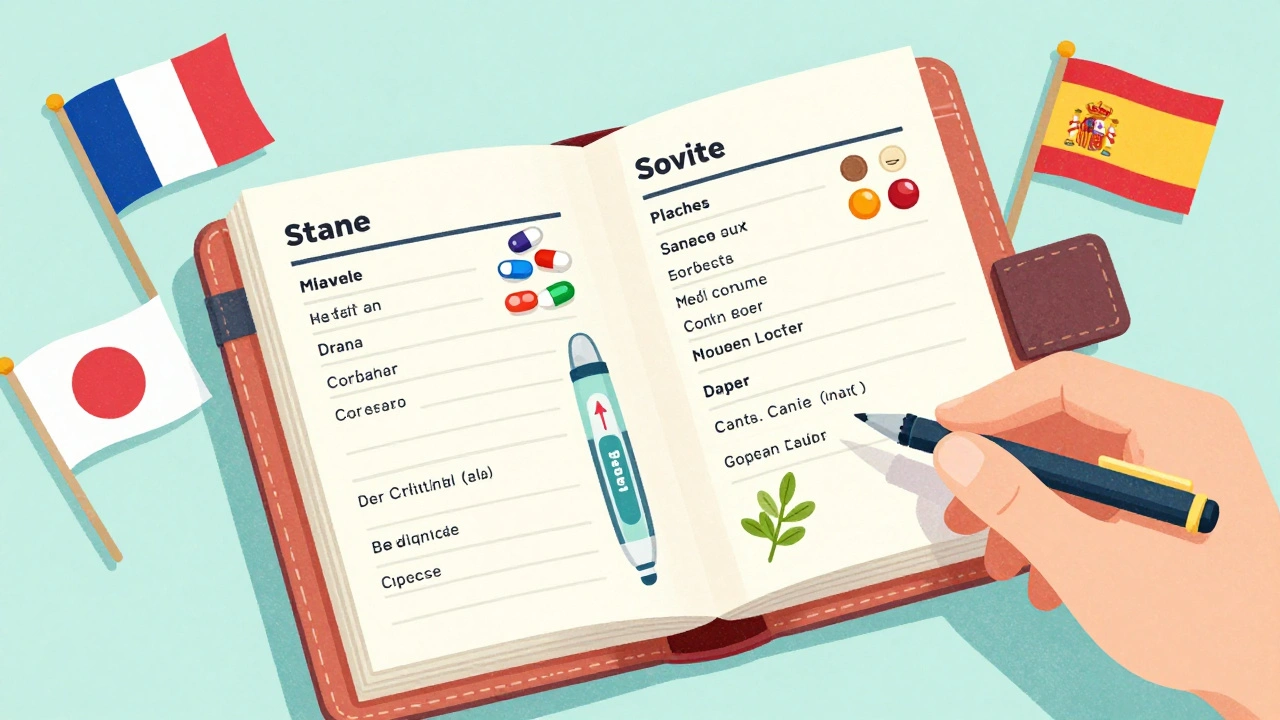
How to Keep a Medication List in Multiple Languages for Emergencies
Keep a multilingual medication list in multiple languages to avoid dangerous errors during medical emergencies abroad. Learn which official lists to use, what to include, and how to use them in real emergencies.