
Fentanyl Overdose: Signs, Risks, and What to Do Now
When someone experiences a fentanyl overdose, a life-threatening reaction to an extremely potent synthetic opioid. Also known as opioid overdose, it occurs when the body can’t handle the drug’s effect on breathing and brain function. Fentanyl is 50 to 100 times stronger than morphine, and even a tiny amount—less than a grain of salt—can stop someone from breathing. It’s not just in prescription pills; it’s mixed into fake oxycodone, cocaine, and even counterfeit MDMA. That’s why overdoses happen to people who didn’t even think they were using opioids.
The body doesn’t have time to react. Signs of a fentanyl overdose, a rapid drop in oxygen to the brain. Also known as opioid overdose, it includes blue or purple lips and fingernails, slow or stopped breathing, choking sounds, unresponsiveness, and pinpoint pupils. If someone is nodding off, can’t be woken, or looks like they’re sleeping too deeply—this isn’t sleep. It’s a medical emergency. Time is everything. Every minute without oxygen increases the chance of brain damage or death. That’s why naloxone, a fast-acting drug that reverses opioid effects by blocking receptors in the brain. Also known as Narcan, it’s the only tool that can bring someone back from the edge during a fentanyl overdose. Naloxone works in minutes. It’s safe, easy to use, and available without a prescription in most places. Keep it handy if you or someone you know uses any kind of opioid, even occasionally.
People often assume overdoses only happen to those with long-term addiction. But that’s not true. Many overdoses happen the first time someone uses a pill they thought was something else. Fake pills made to look like prescription drugs are the biggest threat right now. They’re cheap, easy to find online, and often laced with fentanyl—sometimes in concentrations too high to measure safely. There’s no way to tell by looking. Testing strips can help, but they’re not foolproof. The safest choice? Avoid unknown pills entirely.
If you see someone showing signs of overdose, don’t wait. Call emergency services right away. Give naloxone if you have it. Start rescue breathing if they’re not breathing. Keep giving breaths until help arrives—even if they wake up. Fentanyl’s effects can return after naloxone wears off, so medical monitoring is critical. And don’t be afraid to act. You’re not judging someone. You’re giving them a second chance.
What follows are real stories, practical guides, and clear comparisons from people who’ve lived through this—or helped someone who did. You’ll find advice on how to use naloxone correctly, how to recognize hidden risks in everyday medications, and what to do after an overdose. These aren’t theory pages. They’re tools made by those who’ve been there.
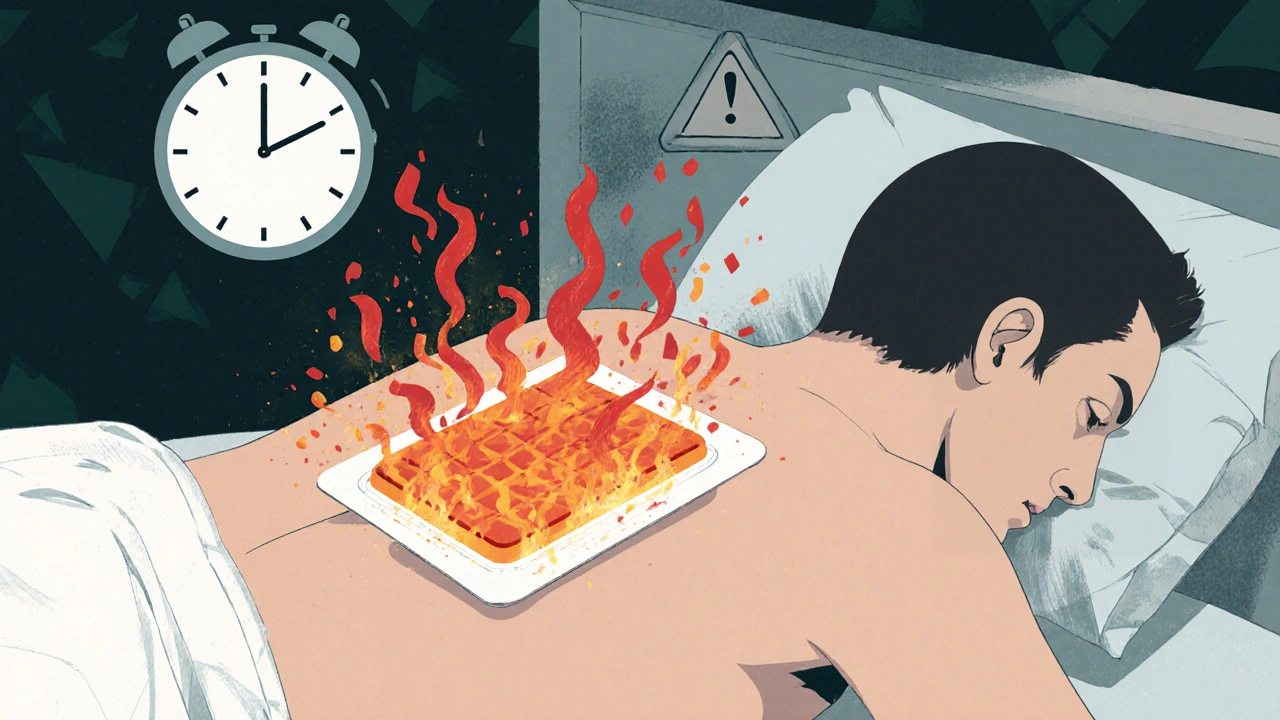
Heat and Fentanyl Patches: How Heat Increases Overdose Risk
Fentanyl patches can be life-saving for chronic pain-but heat from showers, fevers, or heating pads can cause deadly overdose. Learn how to avoid this hidden danger and stay safe.