
Fentanyl Patches: How They Work, Risks, and What to Know
When you hear fentanyl patches, a prescription opioid pain relief system that delivers medication slowly through the skin. Also known as transdermal fentanyl, it's not your average painkiller—it's 50 to 100 times stronger than morphine and meant only for severe, long-term pain that other drugs can't control. These patches aren't for occasional aches or post-surgery discomfort. They're for people with chronic pain from cancer, major injuries, or other serious conditions who need steady pain relief around the clock.
How do they actually work? The patch sticks to your skin, usually on the chest, back, or upper arm, and releases fentanyl slowly over 72 hours. Your body absorbs it through the skin, so you don’t have to swallow pills or get injections. That’s convenient—but it also means the drug builds up in your system over time. If you're not used to opioids, even one patch can be deadly. That’s why doctors only prescribe them after trying other options and only to patients who are already opioid-tolerant.
People often don’t realize how dangerous these patches can be. A single patch can contain enough fentanyl to kill someone who’s never taken opioids before. Kids or pets finding a used patch can die from touching it. Even improper disposal—like folding it in half or flushing it—can cause harm. The FDA has warned about accidental exposure, misuse, and overdoses linked to these patches. And if you’re on other meds like benzodiazepines, sleep aids, or alcohol, the risk goes way up. It’s not just about taking it right—it’s about storing it right, handling it right, and throwing it away right.
Side effects aren’t rare—they’re common. Drowsiness, dizziness, nausea, constipation, and confusion happen often. But more serious signs like slow breathing, cold clammy skin, or passing out mean you need emergency help right away. Some people develop tolerance over time, needing higher doses, which increases risk. Others experience withdrawal if they stop suddenly. These patches aren’t a quick fix. They’re a long-term commitment with serious responsibilities.
You’ll find posts here that compare fentanyl patches to other pain treatments, explain how to use them safely, and detail what to do if something goes wrong. You’ll also see how they stack up against alternatives like morphine, oxycodone, or non-opioid options. These aren’t just medical guides—they’re real-world checklists for patients, caregivers, and anyone trying to navigate this powerful, high-stakes medication. If you’re using fentanyl patches, or someone you care about is, this collection gives you the facts you need to stay safe.
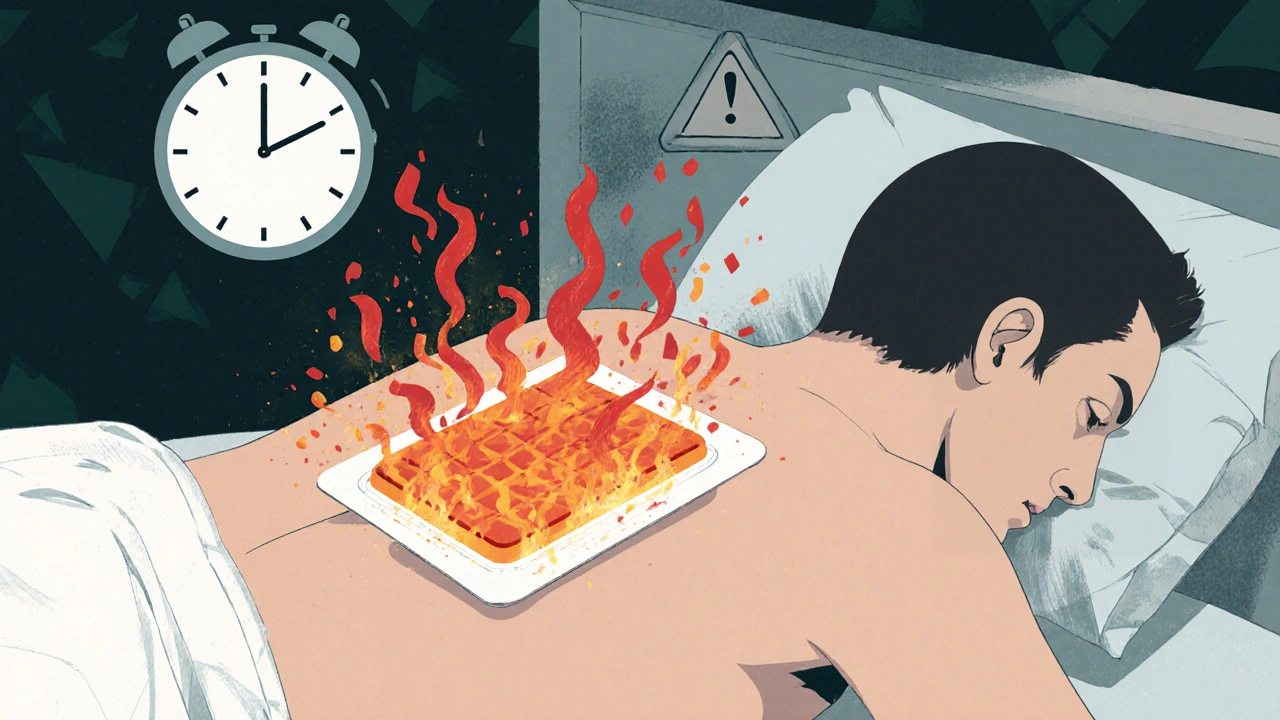
Heat and Fentanyl Patches: How Heat Increases Overdose Risk
Fentanyl patches can be life-saving for chronic pain-but heat from showers, fevers, or heating pads can cause deadly overdose. Learn how to avoid this hidden danger and stay safe.