
Generic Drug Adoption: Why More People Are Switching and What You Need to Know
When you hear generic drug adoption, the growing trend of patients choosing lower-cost versions of brand-name medications. Also known as generic substitution, it's not just about saving money—it's about making smart, safe choices without sacrificing effectiveness. Over 90% of prescriptions in the U.S. are now for generics, and they account for just 12% of total drug spending. That’s $445 billion saved since 1984. But adoption isn’t just about price. It’s about trust, consistency, and understanding what’s really in your pill.
One major barrier to generic drug adoption is appearance. Brand-name pills have a look patients recognize—color, shape, logo. Generics change those details because of trademark laws, not because they’re different. The FDA requires them to have the same active ingredient, strength, and performance. But if your pill suddenly looks like a different color, it’s easy to wonder: Is this the same? That’s where authorized generics, the exact same drug as the brand, made by the same company, just sold under a different label. Also known as identical medication, they remove the doubt—same factory, same ingredients, same results, lower price. Then there’s biosimilars, complex, biologic drugs that mimic expensive treatments like Humira or Enbrel. Also known as biologic generics, they’re not exact copies like small-molecule generics, but they’re proven safe and effective—and they’re catching on fast in Europe, while the U.S. is finally catching up thanks to new FDA rules. Both types help cut costs, but only if patients and doctors feel confident using them.
Why does trust still lag behind the facts? Because of stories—real or imagined. Some people swear their generic caused new side effects, even though the active ingredient hasn’t changed. That’s often the nocebo effect, when expecting a side effect makes you feel it, even if the drug is inert. Also known as perceived side effects, it’s powerful enough to make people stop taking their meds, even when they’re working. Tracking your response in a medication journal, a simple log of how you feel after switching to generics. Also known as tracking side effects, it turns guesswork into data you can share with your doctor. And don’t forget the supply chain. Generics come from factories in India and China, and while most are safe, storage, heat, and humidity can weaken them before they even reach your bottle. Knowing where your meds come from—and how to store them—helps you avoid hidden risks.
What you’ll find below isn’t just theory. It’s real-world advice from people who’ve switched, doctors who’ve seen the results, and data that proves generics work. From how to tell if your new pill is an authorized generic to why biosimilars are the next big thing in lowering costs, these posts cut through the noise. You’ll learn how to build confidence in your meds, avoid dangerous interactions, and spot when something’s truly wrong—not just different.
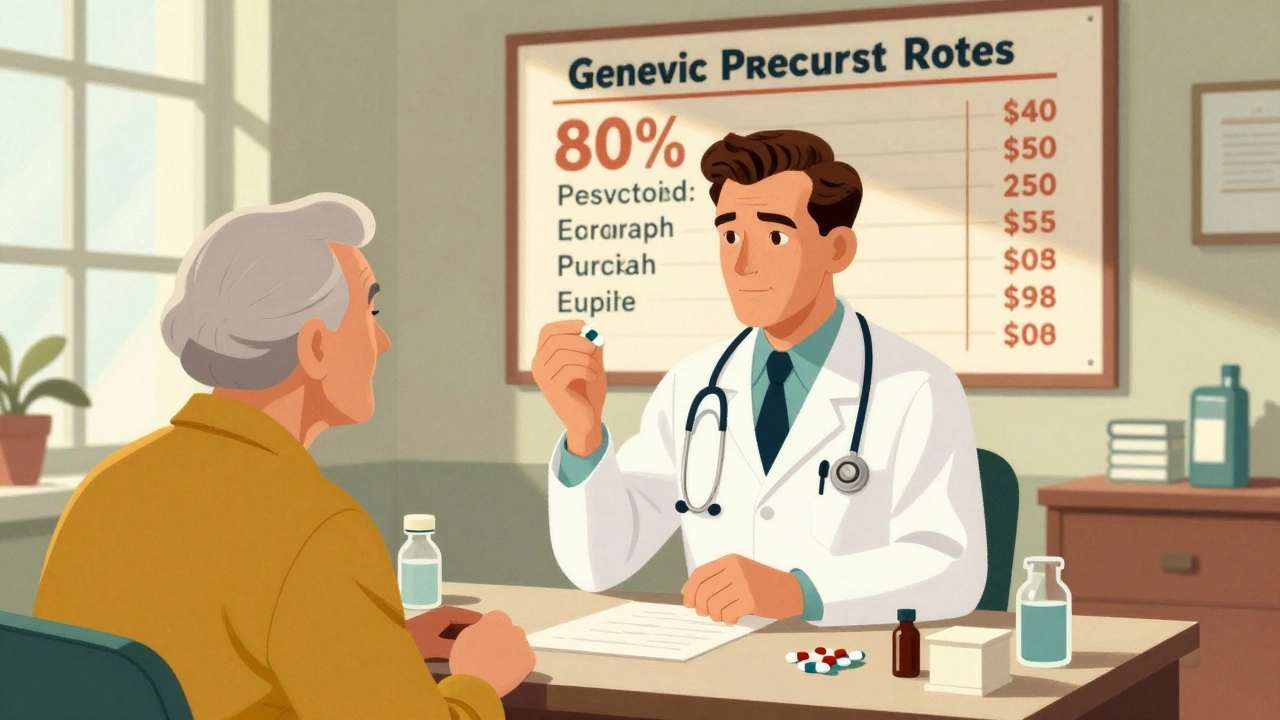
How Doctors Around the World View Generic Medications
Doctors around the world view generic medications differently - from essential lifelines in Asia to policy-driven defaults in Europe. This is how global healthcare systems rely on generics to make treatment affordable and accessible.