
Global Pharmacy Trends: What’s Shaping Medicines Today
When we talk about global pharmacy trends, the shifting forces that determine how medicines are made, priced, and delivered across countries. Also known as pharmaceutical market dynamics, it's not just about new drugs—it's about who gets them, at what cost, and why some pills disappear from shelves.
One of the biggest shifts is the rise of biosimilars, highly similar versions of complex biologic drugs that cost far less. Europe led the way, using them widely to cut costs, while the U.S. caught up slowly because of legal fights and confusing rules. Now, thanks to new FDA policies, more patients here are getting access to these cheaper alternatives for conditions like arthritis and cancer. But it’s not just about savings—it’s about trust. Many people still think generics are weaker, but authorized generics, exact copies of brand-name pills made by the same company. Also known as identical generics, they offer the same ingredients, same results, and no hidden fillers—perfect for those who’ve had bad experiences with regular generics.
Then there’s the supply chain. Most generic pills today come from factories in India and China. That keeps prices low, but it also makes the system fragile. When a single plant shuts down for inspections or a shipping port gets backed up, entire drug categories vanish from pharmacies. That’s why drug shortages, when essential medicines suddenly become unavailable. Also known as medication gaps, they’re not rare anymore. They hit everything from antibiotics to insulin. Congress is trying to fix this with new bills, but progress is slow. Meanwhile, heat and humidity are quietly damaging your meds at home—something most people never think about until their pills stop working.
And it’s not just about access. It’s about how we use drugs. The nocebo effect—where expecting side effects makes you feel them—is real. So is the fact that many people still distrust generics, even though they’re just as safe. That’s why tracking your response with a medication journal, a simple log of how you feel after switching to a generic. Also known as drug response tracker, it helps you speak up when something feels off—and gives your doctor real data, not guesses.
These trends don’t just affect hospitals or pharmacies. They hit your medicine cabinet. Whether you’re on a statin, a biologic injection, or a simple antibiotic, what’s happening globally shapes what’s in your bottle. You’ll find posts here that break down exactly how biosimilars compare to originals, why your generic looks different but works the same, how to spot counterfeit pills, and what to do when your prescription vanishes. These aren’t theories—they’re real stories from patients, pharmacists, and doctors navigating this new landscape. What you read below will help you ask better questions, spot red flags, and take back control of your meds.
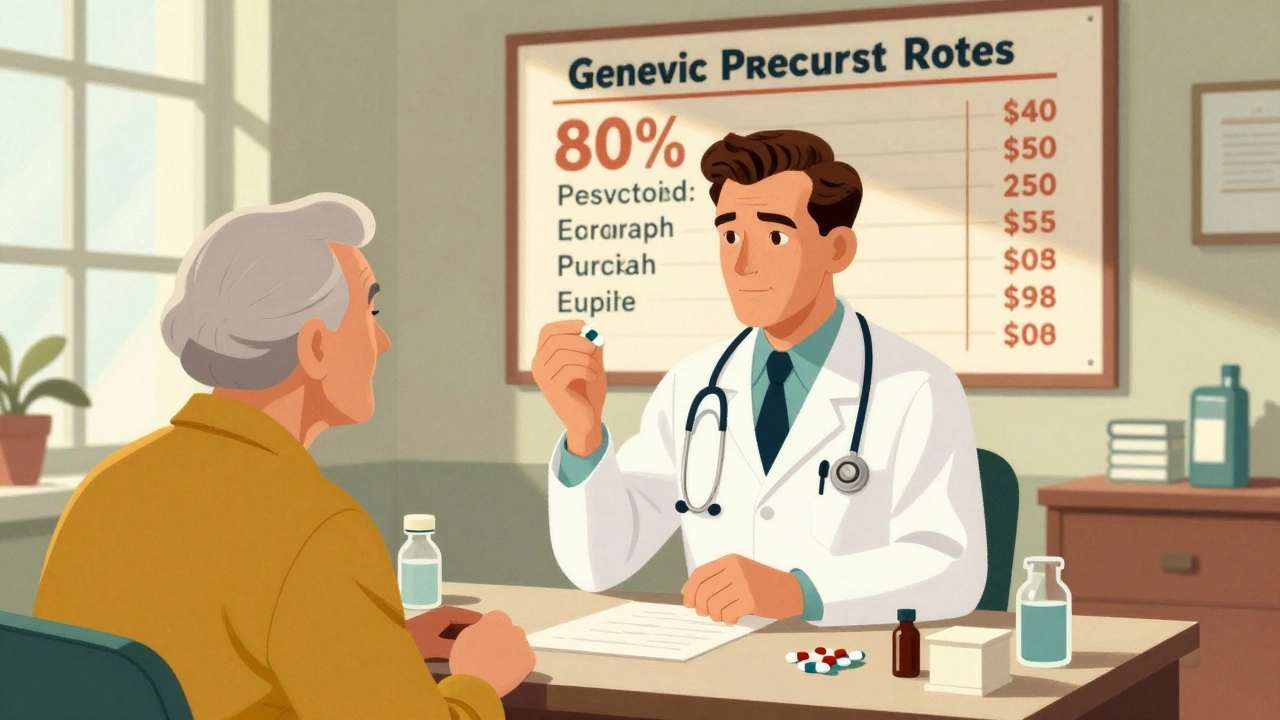
How Doctors Around the World View Generic Medications
Doctors around the world view generic medications differently - from essential lifelines in Asia to policy-driven defaults in Europe. This is how global healthcare systems rely on generics to make treatment affordable and accessible.