
Healthcare Provider Shortage: Why It’s Hard to Get Care and What You Can Do
When you need a doctor and can’t get an appointment for weeks, or your pharmacy calls because they’re out of your medication, you’re feeling the healthcare provider shortage, a widespread lack of doctors, nurses, and other medical staff needed to meet patient demand. Also known as medical workforce gap, it’s not just a problem in big cities—it’s hitting rural towns, suburbs, and even neighborhoods near hospitals. This isn’t about bad luck. It’s about decades of underinvestment, burnout, and training bottlenecks that finally caught up.
The primary care shortage, the lack of general practitioners who manage everyday health issues is the biggest piece of this puzzle. More people are aging, managing chronic conditions like diabetes or high blood pressure, and needing regular check-ups. But fewer new doctors are choosing family medicine—too many are heading to specialties with better pay and hours. At the same time, the nurse shortage, a critical lack of registered nurses and nurse practitioners who deliver care in clinics, hospitals, and homes is making things worse. Nurses are leaving the field faster than they’re being replaced, and those who stay are stretched thin. This means even if a doctor is available, there’s no one to take your vitals, explain your meds, or follow up after your visit.
The problem gets worse in rural healthcare, areas where fewer providers live and travel distances are longer. A town with 5,000 people might have one doctor who works 80-hour weeks. If they’re on vacation or sick, you’re out of luck. Pharmacies close. Labs stop taking new patients. Even when you find a provider, wait times stretch to months for non-emergency care. And it’s not just about access—it’s about continuity. When you switch doctors every year because the last one retired or moved, your medical history gets lost, prescriptions get confused, and your health suffers.
But this isn’t just a system problem. It’s a personal one too. You’re the one waiting on hold, driving an hour for a 15-minute visit, or skipping care because you can’t afford the time. That’s why the posts below matter. You’ll find real advice on how to manage your health when providers are hard to find—like how to safely use generic meds when your pharmacy switches brands, how to store your pills so they don’t expire early, or how to recognize when a yeast infection from antibiotics needs more than just an OTC cream. You’ll learn how to ask the right questions during short visits, what to track at home to help your provider make better decisions, and how to avoid costly mistakes when care is scarce. This isn’t about waiting for someone else to fix it. It’s about taking control while you can.
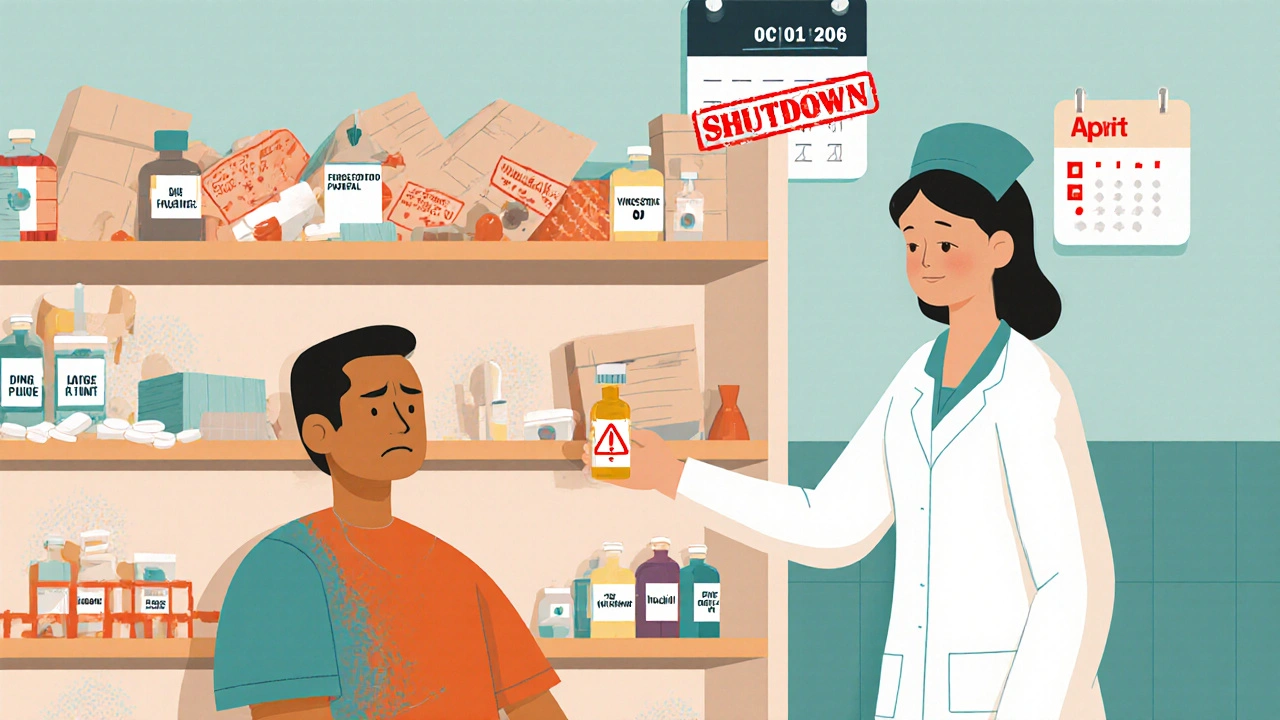
Congressional Bills Aim to Tackle Rising Drug and Healthcare Provider Shortages
Congress is proposing two bills to tackle drug and healthcare provider shortages, but a historic government shutdown is stalling progress. Here's what's in the legislation and why it matters for patients.