
Heat and Fentanyl: Risks, Dangers, and What You Need to Know
When you hear fentanyl, a powerful synthetic opioid used medically but often misused recreationally. Also known as synthetic opioid, it is up to 100 times stronger than morphine and can kill in minutes—even in tiny amounts. Now add heat—whether from a hot day, a fever, or a crowded room—and the danger spikes. Heat doesn’t just make you uncomfortable; it changes how your body handles drugs. For someone using fentanyl, high temperatures can push their system over the edge faster than they expect.
Studies show that heat stress, a condition where the body can’t cool itself properly slows down how fast your liver breaks down drugs like fentanyl. That means the drug stays in your system longer, building up to toxic levels. At the same time, heat increases your heart rate and lowers your blood pressure. Fentanyl does the same. Together, they strain your heart and lungs harder than either would alone. People who use fentanyl in hot environments—outdoors, at parties, in cars, or even in poorly ventilated apartments—are at much higher risk of sudden overdose. This isn’t speculation. Emergency rooms across the U.S. and Europe have seen spikes in fentanyl-related deaths during heatwaves.
It’s not just about temperature, either. drug purity, how strong or unpredictable the fentanyl dose is in street drugs makes it worse. Most people don’t know how much fentanyl is in what they’re taking. A pill that looks like oxycodone might contain enough fentanyl to kill five people. When heat adds to that uncertainty, there’s no safety margin left. Even if you’ve used before without problems, heat can turn a familiar dose into a fatal one.
This isn’t just a problem for people who use drugs alone. Friends and family need to know the signs too. If someone is flushed, confused, breathing slowly, or unresponsive in hot weather, don’t wait. Call for help. If you have naloxone, use it. Heat doesn’t care if you’re trying to be careful. It doesn’t care if you’ve used before. It just makes the risk higher.
Below, you’ll find real-world posts that explore how drugs like fentanyl interact with the body under stress, how to recognize danger signs, and what alternatives or safety measures exist. These aren’t theoretical discussions—they’re based on what people actually face when health, environment, and addiction collide. What you learn here could help you—or someone you care about—make it through a hot day alive.
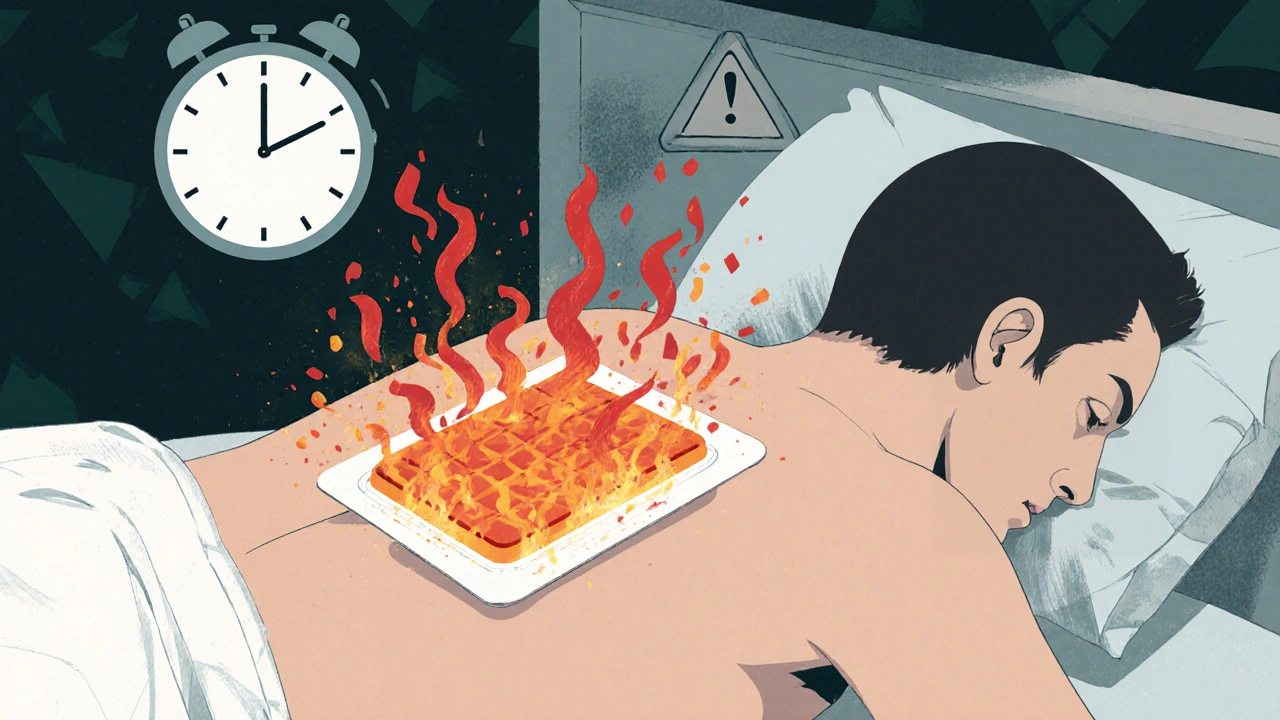
Heat and Fentanyl Patches: How Heat Increases Overdose Risk
Fentanyl patches can be life-saving for chronic pain-but heat from showers, fevers, or heating pads can cause deadly overdose. Learn how to avoid this hidden danger and stay safe.