
Identical Medication: Are Generics Really the Same as Brand-Name Drugs?
When you hear identical medication, a drug that has the same active ingredient, strength, dosage form, and route of administration as another. Also known as generic drugs, it is the backbone of affordable healthcare in the U.S. and around the world. The truth is, if a medication is approved by the FDA as identical, it works the same way in your body. It doesn’t just look similar—it delivers the same results, at the same speed, with the same risks and benefits. You’re not getting a cheaper version of a drug. You’re getting the exact same drug, just without the brand name and marketing costs.
But here’s why people still worry: generic drugs, medications that are chemically identical to brand-name versions but sold under their active ingredient name often look different. That’s not because they’re weaker—it’s because U.S. trademark laws force generics to change color, shape, or size so they don’t copy the brand’s appearance. And yes, the inactive ingredients like fillers or dyes can vary. But those don’t affect how the medicine works. What matters is the active ingredient, and that’s tightly controlled. The FDA requires generics to prove they deliver the same amount of medicine into your bloodstream as the brand, within a very narrow range. In fact, studies show that 9 out of 10 patients get the same results on generics as they did on brand-name drugs.
Some people notice small differences in how they feel—maybe a generic gives them a slightly different side effect, or their body seems to react differently. That’s often not the drug itself, but the nocebo effect, when expectations of side effects cause real physical symptoms. If you’ve been told generics aren’t as good, your brain might start noticing minor changes that aren’t even caused by the medicine. And that’s why keeping a medication journal, a personal log of how you respond to each drug, including generics can be so powerful. Write down how you feel, any side effects, sleep, energy, or digestion changes. You’ll start seeing patterns—not myths.
There’s also the question of where generics come from. The generic drug supply chain, the global network of factories, regulators, and distributors that deliver affordable medications is complex. Most active ingredients are made in India or China, then shipped to U.S. facilities for final packaging. It’s a system that keeps prices low, but it’s also under pressure. That’s why some people worry about quality. But the FDA inspects these facilities just like brand-name ones. If a plant fails inspection, it’s shut down. You’re not taking a gamble—you’re taking a regulated, tested medicine.
So when you’re handed a new pill that looks different from last month’s, don’t panic. Check the name on the bottle. If it’s the same active ingredient, it’s the same medicine. The FDA doesn’t allow anything less. And if you’re still unsure, talk to your pharmacist. They see hundreds of these switches every week. They know which ones work smoothly and which ones might need a little extra attention.
Below, you’ll find real stories and science-backed answers about how identical medication works in practice—from what doctors really think, to why some people feel different on generics, to how to track your own response. No fluff. No marketing. Just what you need to know to take your meds with confidence.
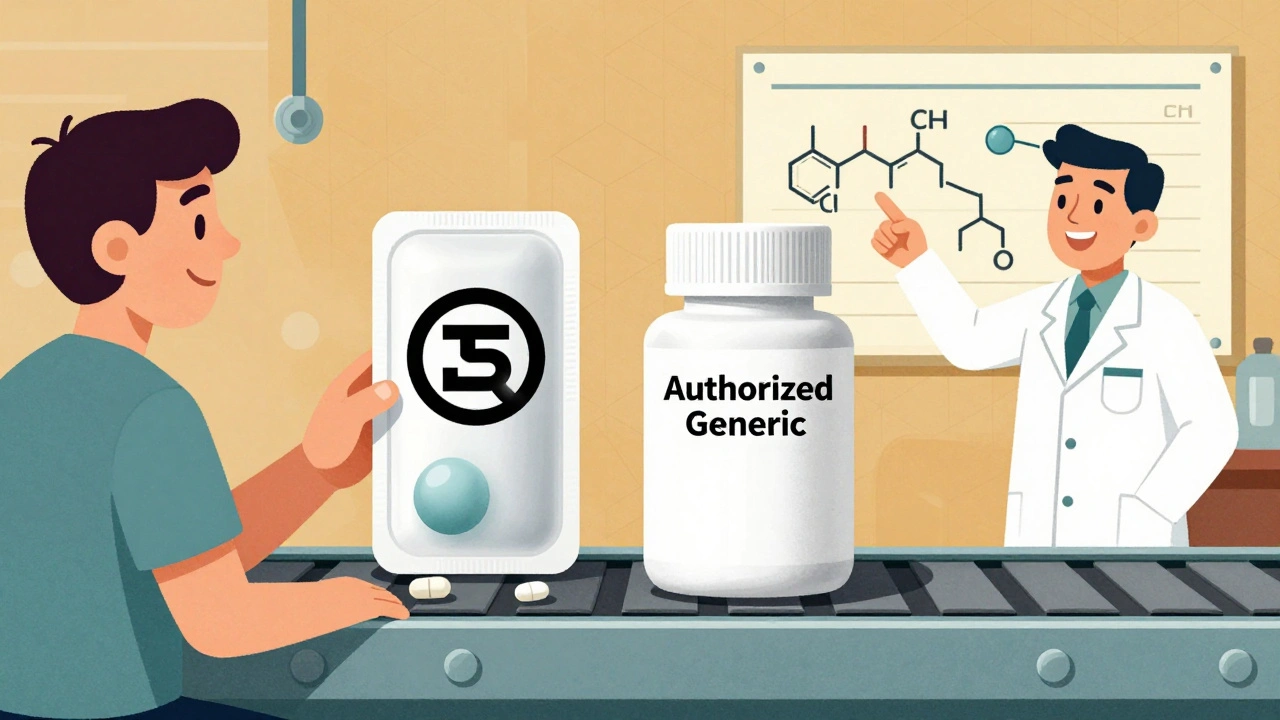
Authorized Generics: A Smarter Switch When Moving Away From Brand Name Drugs
Authorized generics offer the exact same medication as brand-name drugs at lower prices, with no changes to ingredients or effectiveness. Ideal for patients sensitive to generic fillers, they provide a safer, more consistent switch than traditional generics.