
International Generics: What They Are, How They Work, and Why They Matter
When you hear international generics, medications produced outside the U.S. that copy brand-name drugs after patents expire. Also known as global generics, they make up most of the pills in your medicine cabinet—especially if you’re paying less than $10 for a 30-day supply. These aren’t knockoffs. They’re exact copies of brand-name drugs, made in factories in India, China, and elsewhere, then shipped to pharmacies across the world. The FDA checks them, just like U.S.-made drugs, and requires them to work the same way—same active ingredient, same dose, same effect.
But here’s what most people don’t know: the generic supply chain, the global network that moves active ingredients and finished pills from factories to your local pharmacy. Also known as pharmaceutical distribution, it’s a fragile system that keeps prices low but is stretched thin by shipping delays, raw material shortages, and factory inspections. A single factory in Hyderabad or Shanghai can supply millions of people with blood pressure meds, antibiotics, or diabetes pills. If that plant shuts down—even for a week—you might see a shortage at your pharmacy. That’s why drug cost savings, the billions saved annually by switching from brand-name to generic drugs. Also known as generic savings, it’s not just a marketing claim—it’s real, measurable, and critical to keeping healthcare affordable. Since 1984, generics have saved the U.S. healthcare system over $445 billion. That’s money that goes back into people’s pockets, not drug company profits.
And yet, many still worry: Are these pills safe? Do they work the same? The answer is yes—if they’re approved. The FDA doesn’t treat international generics differently from domestic ones. They inspect the same way, test the same way, and require the same bioequivalence data. But trust doesn’t come from regulations alone. It comes from knowing your pill isn’t just cheaper—it’s backed by the same science as the brand name. That’s why tracking your response with a medication journal helps. If you notice a change in how you feel after switching, write it down. Talk to your doctor. It’s not about distrust—it’s about personal data.
What you’ll find below are real stories and facts about how international generics reach you, why they look different from brand pills, how supply chains affect your access, and what happens when patents expire overseas before the U.S. catches up. You’ll see how biosimilars, authorized generics, and counterfeit risks all tie into this bigger picture. No fluff. No marketing. Just what you need to know to use these drugs safely, confidently, and without overpaying.
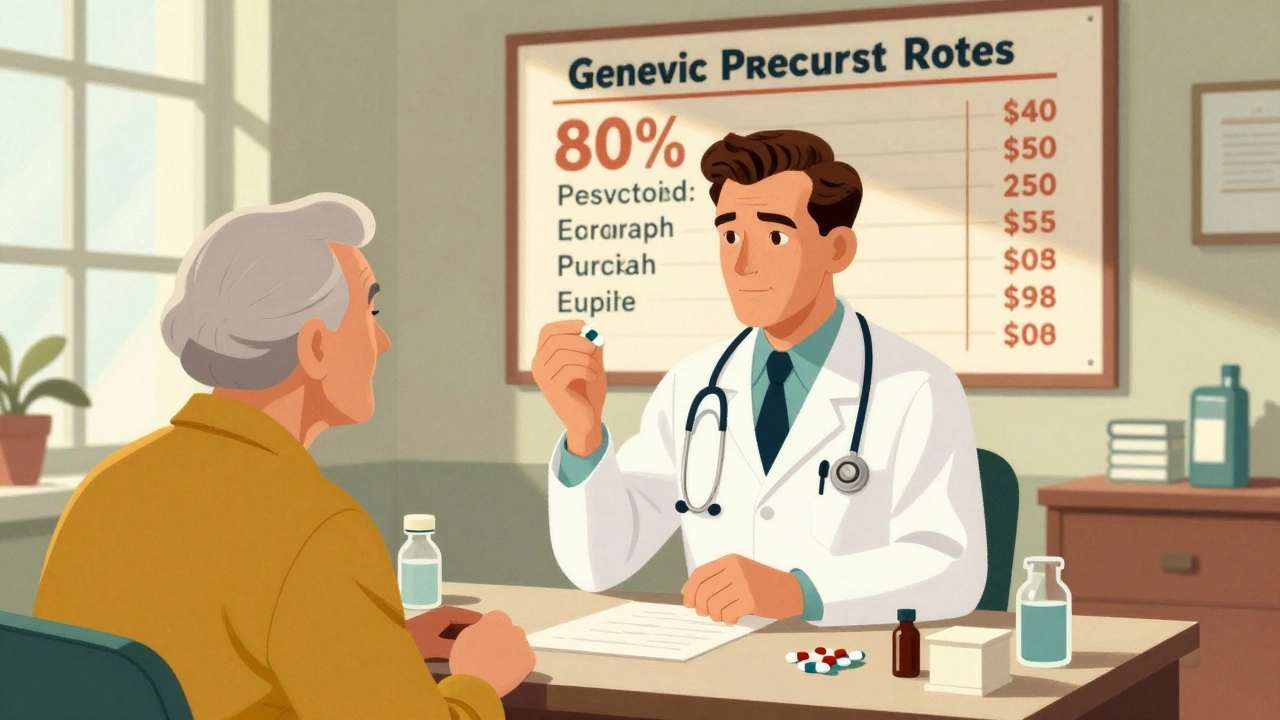
How Doctors Around the World View Generic Medications
Doctors around the world view generic medications differently - from essential lifelines in Asia to policy-driven defaults in Europe. This is how global healthcare systems rely on generics to make treatment affordable and accessible.