
Liver Enzymes and Statins: What You Need to Know About Liver Health and Cholesterol Meds
When you take statins, a class of cholesterol-lowering drugs prescribed to reduce heart attack and stroke risk. Also known as HMG-CoA reductase inhibitors, they work by blocking a key enzyme in your liver that makes cholesterol. But many people hear their doctor say, "Your liver enzymes are elevated," and panic. It’s not always a sign of damage—it’s often just a signal your liver is reacting, not failing.
Liver enzymes, proteins that help your liver process chemicals and break down toxins. Also known as liver function markers, the two most common ones doctors check are ALT (alanine aminotransferase) and AST (aspartate aminotransferase). These aren’t random numbers—they’re clues. A mild rise in ALT or AST—say, less than three times the upper limit of normal—is common with statins and usually doesn’t mean harm. But if levels keep climbing, or if you feel tired, nauseous, or your skin turns yellow, that’s when you need to act. The FDA says serious liver injury from statins is extremely rare—less than 1 in 10,000 users—but it’s still why your doctor orders blood tests every few months after you start.
It’s not just statins. Other meds, alcohol, fatty liver, even intense exercise can lift these enzymes. That’s why your doctor doesn’t look at one number alone—they look at the pattern. Is ALT higher than AST? That often points to liver stress from fat or meds. Is bilirubin up too? That could mean bile flow is blocked. Your lab results are a story, not a single sentence. And if you’re on statins, you’re not alone: over 35 million Americans take them. Most never have a problem. But knowing what these numbers mean helps you ask better questions and avoid unnecessary fear.
You’ll find posts here that explain how to read your liver function tests, what to do if your enzymes go up, and how to tell the difference between a harmless spike and something serious. There are also guides on how statins interact with other meds, how to track side effects, and why generic versions work just as well without the high cost. Whether you’re just starting statins or have been on them for years, this collection gives you the real talk—not hype, not fear—just what you need to stay safe and informed.
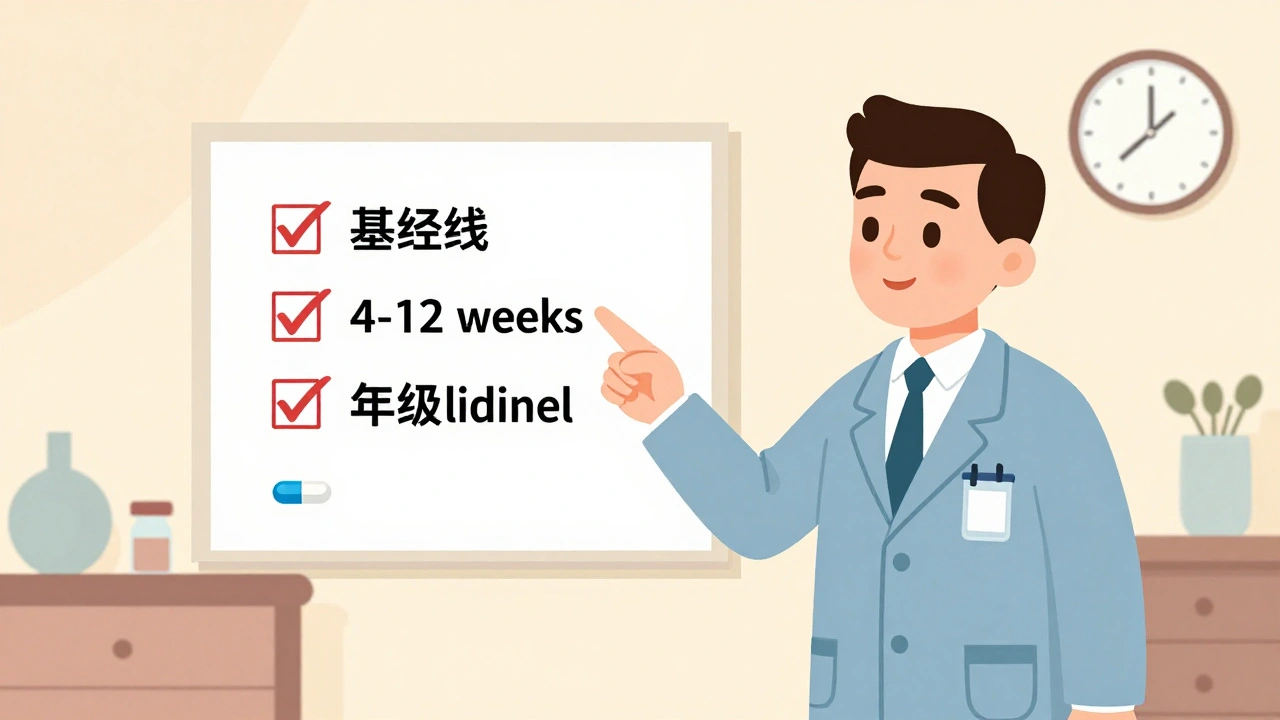
Monitoring While on Statins: What Lab Tests You Really Need and When
Learn what statin lab tests you actually need - and which ones are unnecessary. Get clear, evidence-based guidance on liver checks, muscle pain, diabetes risk, and when to stop or keep taking your statin.