
Medication Side Effects: Real Tips, Straight Talk, and Safer Alternatives
You pop a pill hoping to feel better, only to get slammed with headaches, upset stomach, or worse. Side effects from medication are more common than most people realize, and they can turn a simple fix into a daily hassle. Ever wondered why one drug makes you dizzy while another barely phases your friend? Our bodies process meds differently—factors like age, diet, even genetics play a part. That’s why side effects often sneak up on you, even when you follow your doctor’s directions.
Common complaints range from mild rashes and drowsiness to nagging nausea or severe allergic reactions. Drugs like metformin, for example, help manage diabetes but can bother your stomach. Heart meds sometimes cause swelling or tiredness, while antidepressants might mess with your sleep or sex drive. No one wants to trade one problem for another, right?
Before tossing your prescription in frustration, it helps to know there are options. Doctors can often tweak the dose, or switch you to a similar medicine with a better side-effect profile. Can’t handle metformin? Alternatives like DPP-4 inhibitors or TZDs are making waves for folks who’d rather skip the stomach drama. Birth control isn’t one-size-fits-all either—brands like Yasmin work for some but cause weird mood swings in others. Switching the type or even the timing can make a big difference.
If you’re eyeing over-the-counter fixes, that’s another story. Allergy meds, painkillers, and supplements can still cause trouble, especially when mixed with prescriptions. NSAIDs like Etodolac help with pain, but long-term use can irritate your gut or raise blood pressure. Natural doesn’t always mean risk-free—ALA supplements, for example, are safe for most but might trigger issues if you take blood thinners.
Reading online reviews helps, but don’t just trust anyone’s opinion. Look for patterns: if hundreds report fatigue, there’s probably something to it. Still, what works (or doesn’t) for others isn’t a guarantee you’ll react the same way. That’s where talking with a pharmacist or a doctor with your own medical history comes in handy.
Shady online pharmacies hype miracle cures with zero side effects. Reality check: every drug has risks, and good sources tell you the full story, not just the upside. Before you consider that new ED pill or a cold sore cream, confirm it’s from a trustworthy pharmacy—and check if it interacts with other stuff you take. Sites like Pharma Experts dig into these details, offering guides that don’t sugarcoat the downsides.
Bottom line: if side effects are ruining your meds, you don’t have to tough it out. There’s usually an alternative, and you might just need to ask the right questions. Don’t settle for suffering in silence or guessing in the dark—use resources and your own experience to push for better answers. Better health shouldn’t come with a trade-off you can’t live with.
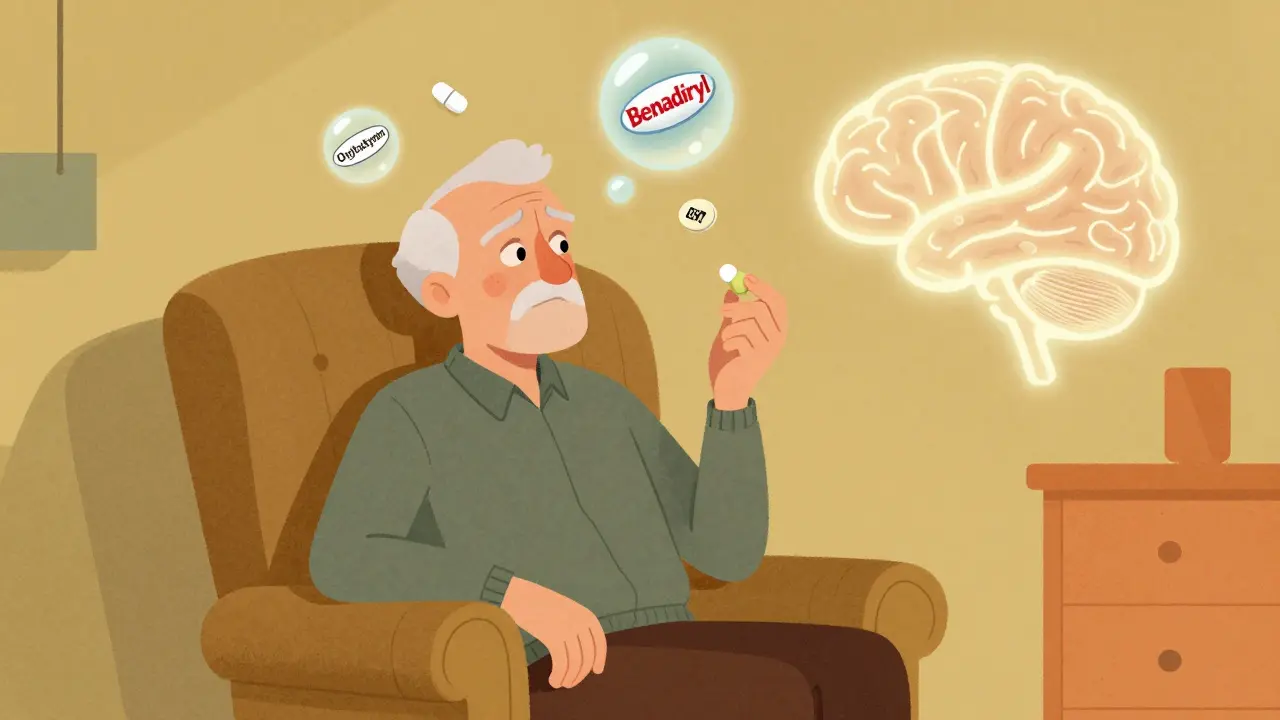
How to Recognize Medication Side Effects That Mimic Aging in Seniors
Many seniors experience confusion, memory loss, or dizziness that looks like aging - but could be caused by common medications. Learn how to spot these side effects and reverse them with a simple medication review.
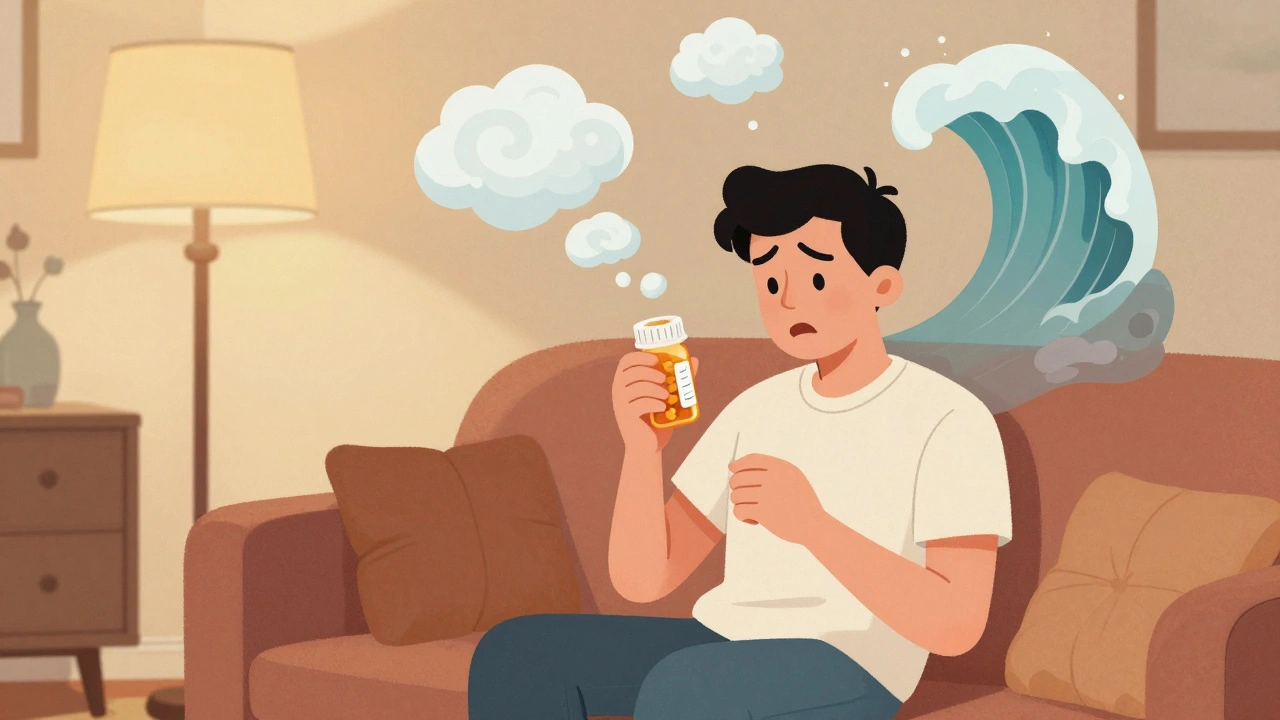
The Nocebo Effect in Medications: Why Expectations Shape Your Side Effects
The nocebo effect explains why people often feel side effects from medications-even when the drug is inert. Expectations, not chemistry, can trigger real symptoms. Learn how your mindset shapes your experience with pills.

Cordarone: Complete Guide to Usage, Risks, Side Effects, and Safe Handling
Get the inside scoop on Cordarone (amiodarone): how it works, side effects, risks, and tips for patients who need efficient arrhythmia control.