
Nocebo Effect: When Expectations Make You Feel Worse
When you believe a treatment will hurt you, your body sometimes believes it too—that’s the nocebo effect, the negative counterpart to the placebo effect, where harmful expectations trigger real physical symptoms even when the treatment is inert. Also known as negative placebo effect, it’s not just in your head—it’s your brain activating stress pathways that cause pain, nausea, dizziness, or fatigue, even if the pill is sugar.
The placebo effect, the well-documented phenomenon where positive expectations improve symptoms is often praised, but the nocebo effect, its dark twin gets ignored. Studies show patients told about possible side effects are far more likely to report them—even when they’re given a dummy pill. One trial found people given saline injections told they’d feel pain reported pain at the injection site. Another found patients warned about headaches from a harmless drug were three times more likely to get one than those not warned. It’s not weakness or imagination. It’s biology. Your brain reads fear as a threat and triggers real physiological responses: cortisol spikes, muscle tension, altered nerve signals. This isn’t rare. It happens every time a doctor says, "This might make you dizzy," or a patient reads a long side effect list online.
The patient expectations, how people anticipate their treatment will affect them shape outcomes more than we admit. That’s why some people feel worse switching to generics—not because the drug changed, but because they believe generics are inferior. The same thing happens with brand-name drugs being replaced by biosimilars or authorized generics. Even when the medication is identical, fear of change can trigger symptoms that didn’t exist before. This isn’t just about pills. It’s about how we talk about medicine. Doctors, labels, ads, even the color of a pill—each can plant a seed of dread. And once that seed grows, your body follows along.
Understanding the nocebo effect doesn’t mean dismissing real symptoms. It means recognizing that your mind and body are wired together. The same mechanism that helps you feel better with a placebo can make you feel worse with fear. The good news? You can fight it. By asking for clear, calm explanations, avoiding doom-scrolling drug side effect lists, and focusing on what actually works, you take back control. The posts below show how this plays out in real life—from patients tracking side effects in medication journals, to doctors navigating how global views on generics affect trust, to how drug storage and labeling can unintentionally trigger anxiety. These aren’t just stories about pills. They’re about how belief shapes biology—and how to protect yourself from it.
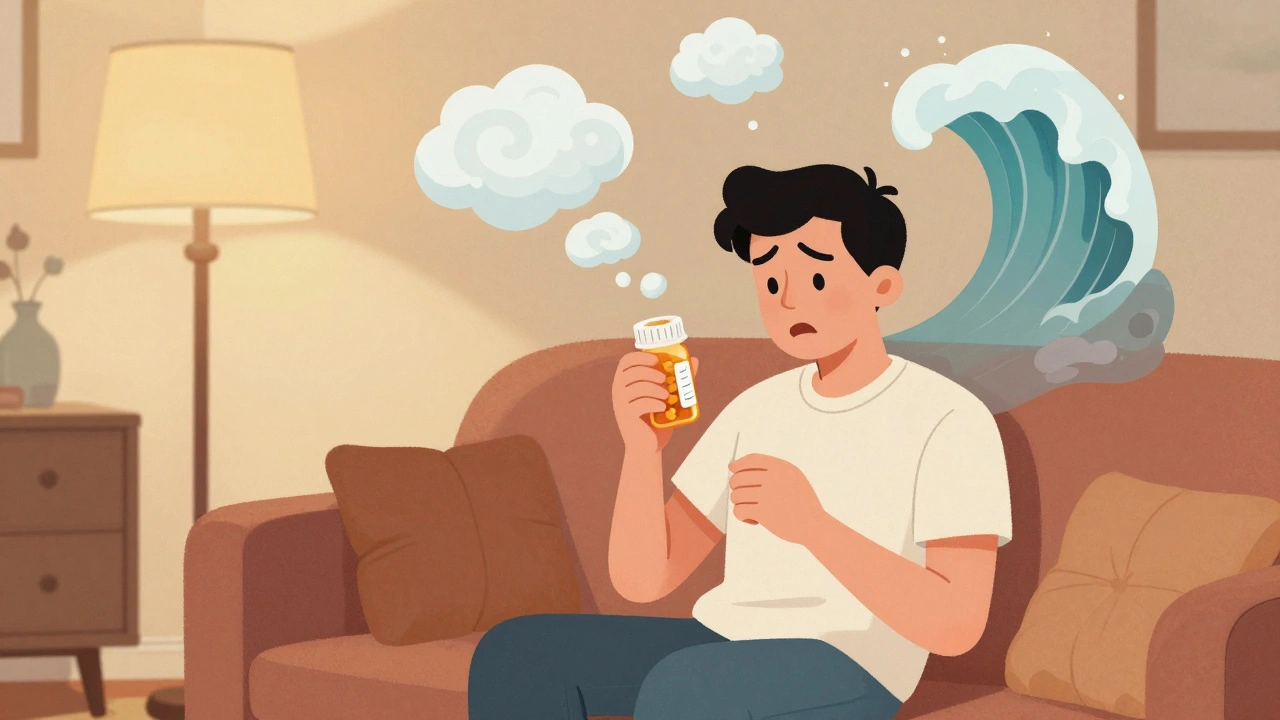
The Nocebo Effect in Medications: Why Expectations Shape Your Side Effects
The nocebo effect explains why people often feel side effects from medications-even when the drug is inert. Expectations, not chemistry, can trigger real symptoms. Learn how your mindset shapes your experience with pills.