
NSAIDs: How These Common Painkillers Actually Impact Your Health
NSAIDs, short for nonsteroidal anti-inflammatory drugs, are everywhere—think ibuprofen, naproxen, or aspirin. People reach for these meds to calm headaches, muscle pain, arthritis, or fever. They're even in a lot of cold and flu remedies. Easy to grab over the counter, NSAIDs can help you get on with life when pain tries to slow you down.
But while NSAIDs offer quick relief, they’re not risk-free. Common side effects pop up more than most folks realize. Upset stomach and heartburn are classic complaints, but frequent use has a bigger downside: stomach ulcers, GI bleeding, and kidney trouble show up with long-term or high-dose use. If you’ve ever felt queasy after popping pills for a few days, your body’s waving a red flag.
Let’s talk about anti-inflammatory power. NSAIDs tackle pain by blocking enzymes (COX-1 and COX-2) behind inflammation and pain signals. That’s why a sprained ankle or aching back feels better after a dose. But those same enzymes protect your stomach lining and help your kidneys regulate fluid. When you block them over and over, problems can stack up.
The risks go way beyond a sore tummy. Heart issues matter, too. Some types, like diclofenac, have been linked to higher chances of heart attacks and strokes—especially if you already have heart disease. Even ibuprofen isn’t totally innocent here. That’s why doctors ask about your heart history before recommending long-term use.
Worried about alternatives? There’s more to pain relief than NSAIDs. For short-term aches, sometimes a little rest and time are enough. Acetaminophen (like Tylenol) doesn’t bat at inflammation but can ease pain with fewer gut problems—just don’t overdo it, since your liver pays the price for high doses. For longer-term use, ask your doctor if physical therapy, hot/cold packs, or topical pain relievers work with your routine.
Keen on keeping your NSAIDs use safe? Always take the lowest dose that works, and not for longer than you need. Eat something before your pills to cushion your stomach. Skip mixing NSAIDs with alcohol or prescriptions like blood thinners—they’re a recipe for trouble. If you have kidney issues, ulcers, or heart disease, check with your doc before you reach for that bottle.
Here’s a tip: read package labels. Drugstore shelves are crowded with combination meds sneaking NSAIDs into cold medicines and allergy pills. If you take multiple products, you could accidentally double up and hike your risk of side effects.
Bottom line—NSAIDs do their job when used smartly. If nagging pain or inflammation is a part of your life, talk options with your healthcare provider. Sometimes, a tweak to your pain relief routine makes all the difference for your long-term health.
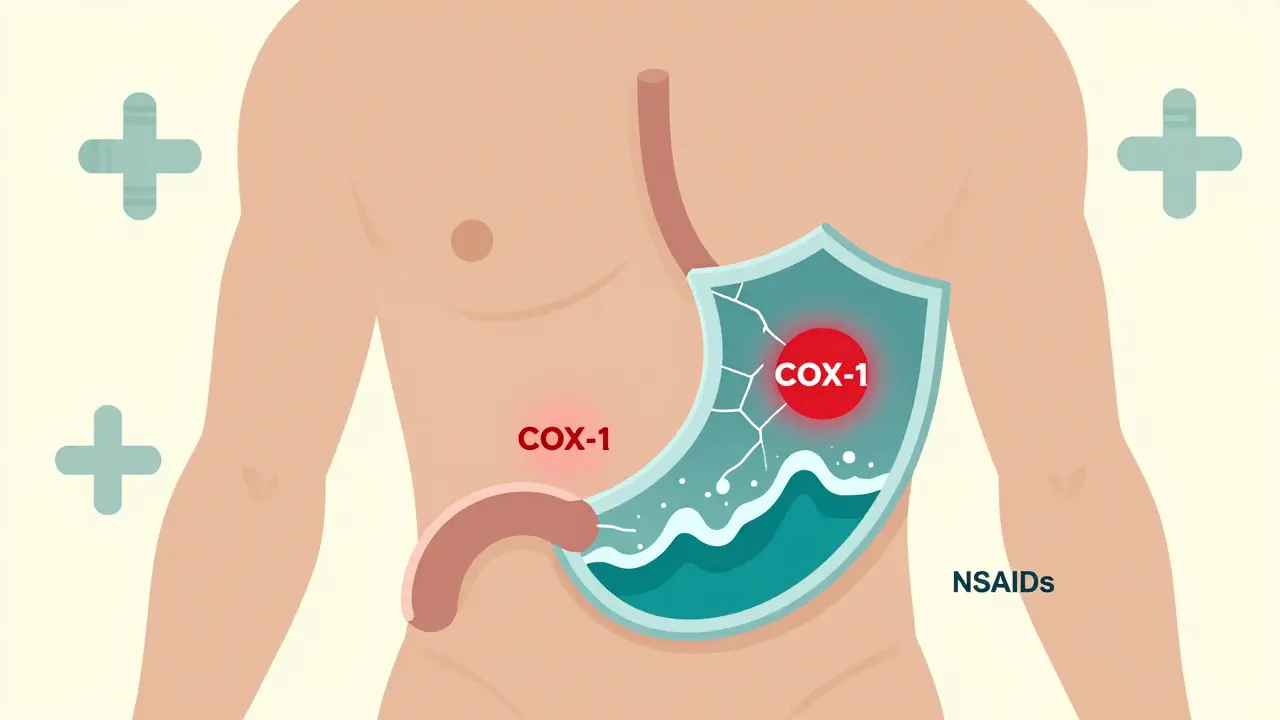
NSAIDs and Peptic Ulcer Disease: Understanding the Risk of Gastrointestinal Bleeding
NSAIDs like ibuprofen and naproxen can cause serious gastrointestinal bleeding, especially in older adults or those with risk factors. Learn who's most at risk, how to protect your gut, and what alternatives exist.

Etodolac for Acute Pain: Uses, Benefits, and Tips for Safe Relief
This article breaks down how Etodolac, a lesser-known NSAID, helps manage acute pain. It covers how the drug works, when it’s used, side effects, and how to use Etodolac safely. Tips for maximizing pain relief and avoiding common pitfalls are included. Get clear, detailed answers to common questions, plus real-world examples.