
Opioid Safety: Understand Risks, Signs of Overdose, and How to Stay Protected
When people talk about opioid safety, the practices and precautions needed to prevent harm from prescription or illicit opioid medications. Also known as painkiller safety, it’s not just about following your doctor’s instructions—it’s about knowing when things go wrong and what to do next. Opioids like oxycodone, hydrocodone, fentanyl, and morphine are powerful tools for managing severe pain, but they carry serious risks. Even when taken exactly as prescribed, they can slow your breathing, make you drowsy, and lead to dependence. And when mixed with alcohol, benzodiazepines, or even some over-the-counter sleep aids, the danger multiplies.
One of the biggest misunderstandings is that opioid addiction only happens to people who misuse drugs. The truth? Many people who develop dependence started with a legitimate prescription after surgery or an injury. opioid overdose, a life-threatening condition caused by too much opioid in the body, leading to stopped or slowed breathing doesn’t always look like a drug user collapsing—it can happen to anyone, even someone taking their medicine as directed. Signs include blue lips or fingernails, extreme drowsiness, slow or shallow breathing, and unresponsiveness. If you see these signs, don’t wait. Call 911 and give naloxone if you have it.
naloxone, a medication that can reverse an opioid overdose within minutes is now available without a prescription in most places. Keep it in your medicine cabinet, your car, or your bag—just like an EpiPen. It’s not a cure for addiction, but it’s the single most effective tool to save a life during an overdose. Families, caregivers, and even friends of people on long-term pain meds should know where it is and how to use it. Training takes less than five minutes, and many pharmacies offer it for free or low cost.
Prevention starts with honest conversations. If you’re prescribed an opioid, ask: Is this the shortest course possible? Are there non-opioid options? What should I do if I feel dizzy or unusually sleepy? Don’t be afraid to question your doctor. If you’re helping someone manage pain, watch for changes in behavior—withdrawal, mood swings, secrecy about meds. These aren’t signs of weakness; they’re warning signs.
The posts below cover real-world situations where people faced opioid-related risks and made smarter choices. You’ll find guides on recognizing early signs of misuse, comparing safer pain management options, understanding how naloxone works in practice, and even stories from people who reversed an overdose with quick action. This isn’t theoretical advice—it’s what people are using right now to protect themselves and their loved ones.
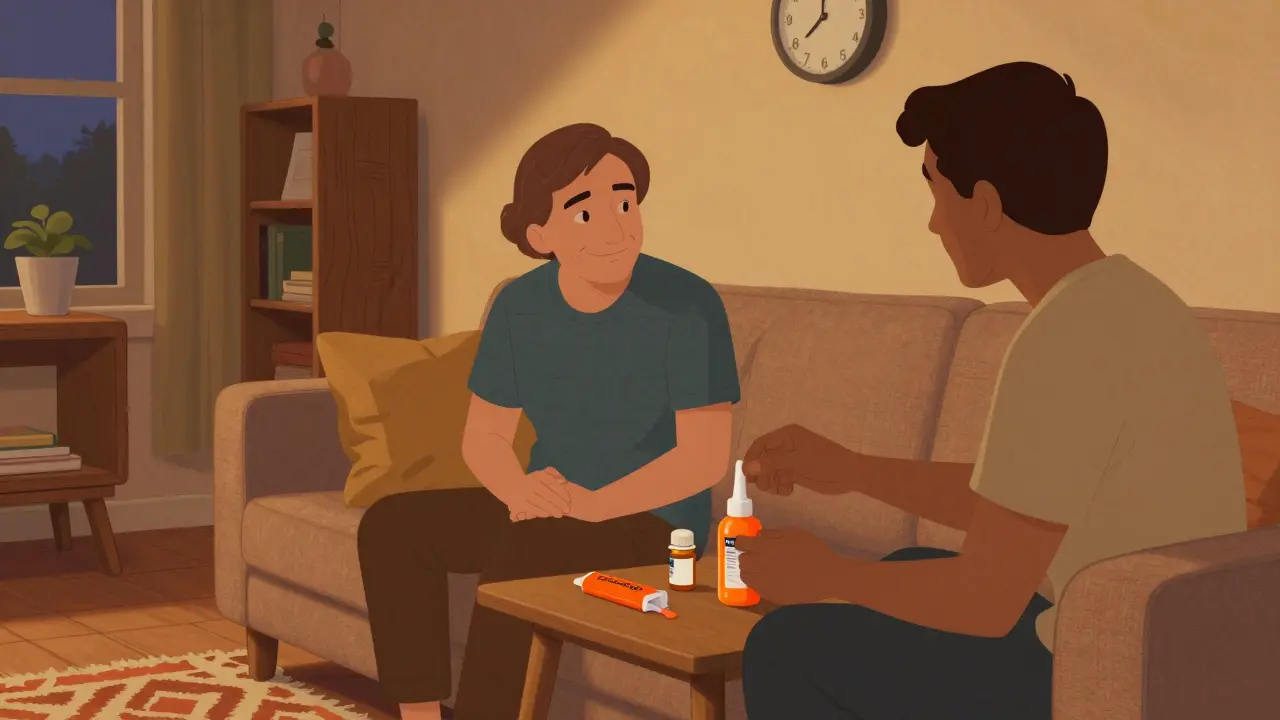
Naloxone Readiness Plan: How to Keep Patients on Opioids Safe
A naloxone readiness plan saves lives by ensuring quick access to overdose-reversing medication for anyone on opioids. Learn how to get, store, and use naloxone - and why it's essential for patients, families, and caregivers.
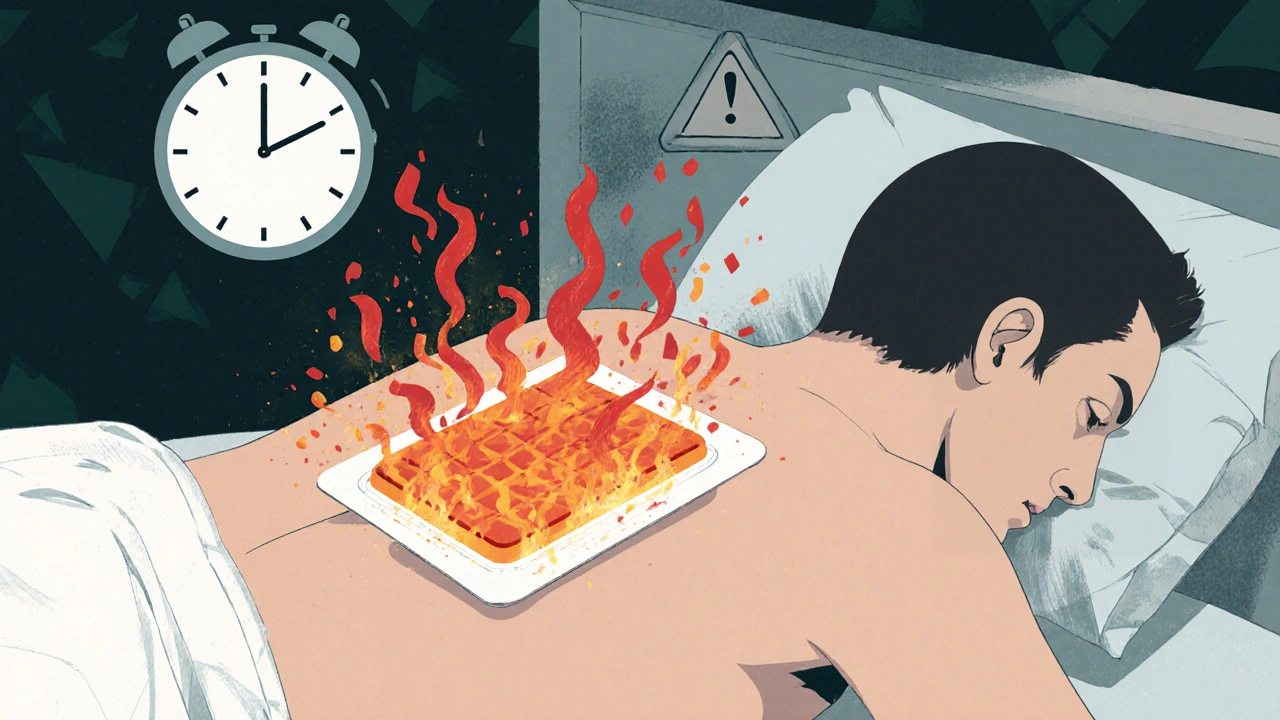
Heat and Fentanyl Patches: How Heat Increases Overdose Risk
Fentanyl patches can be life-saving for chronic pain-but heat from showers, fevers, or heating pads can cause deadly overdose. Learn how to avoid this hidden danger and stay safe.