
Perceived Side Effects: Why You Feel Them and What Really Happens
When you start a new medication, your body doesn’t just react to the drug—it reacts to perceived side effects, the physical or emotional symptoms you blame on a drug even when it’s not the cause. Also known as nocebo effects, these are real feelings that come from worry, past experiences, or even the way a pill looks—not the medicine itself. You might feel dizzy after taking a generic pill because the last generic you tried made you nauseous. Or you think your new statin is causing muscle pain because you read about it online. But the drug might be perfectly fine. Your brain is just filling in the blanks.
This isn’t just in your head—it’s a documented phenomenon. Studies show that up to 75% of people who report side effects from a sugar pill in clinical trials feel the same symptoms as those taking the real drug. That’s why medication anxiety, the fear that a drug will harm you is so powerful. It’s not about being paranoid. It’s about how your mind connects dots. When you’re told a drug can cause fatigue, your brain starts noticing tiredness. When you switch from a brand to a generic, the different color or shape triggers suspicion—even if the active ingredient is identical. That’s why generic drug concerns, the belief that cheaper versions are less safe or effective persist, even though the FDA requires them to work the same way.
Real side effects come from chemical reactions in your body—liver enzymes spiking, electrolytes dropping, nerves firing wrong. Perceived ones come from your expectations. One person takes the same pill and feels fine. Another feels awful, not because of the drug, but because they’ve been warned about it, or their cousin had a bad reaction, or they’re stressed about their health. The pill didn’t change. Their perception did.
That’s why keeping a medication journal, a daily log of how you feel after taking your pills matters. It separates what’s happening in your body from what’s happening in your mind. Did you feel tired only on days you didn’t sleep well? Did the headache start after your boss yelled at you? Tracking helps you spot patterns that aren’t drug-related. And when you talk to your doctor, you’re not just saying "I feel bad." You’re saying, "Here’s what happened, when, and what else was going on."
Perceived side effects aren’t imaginary. They’re real experiences shaped by fear, misinformation, and the way we’ve been conditioned to distrust meds—especially generics. But understanding the difference between what the drug does and what your brain thinks it does? That’s the first step to taking control. Below, you’ll find real stories and science-backed advice from people who’ve been there: from those who blamed their statin for fatigue and found out it was sleep apnea, to those who switched to authorized generics and realized their "side effects" vanished because they stopped expecting them.
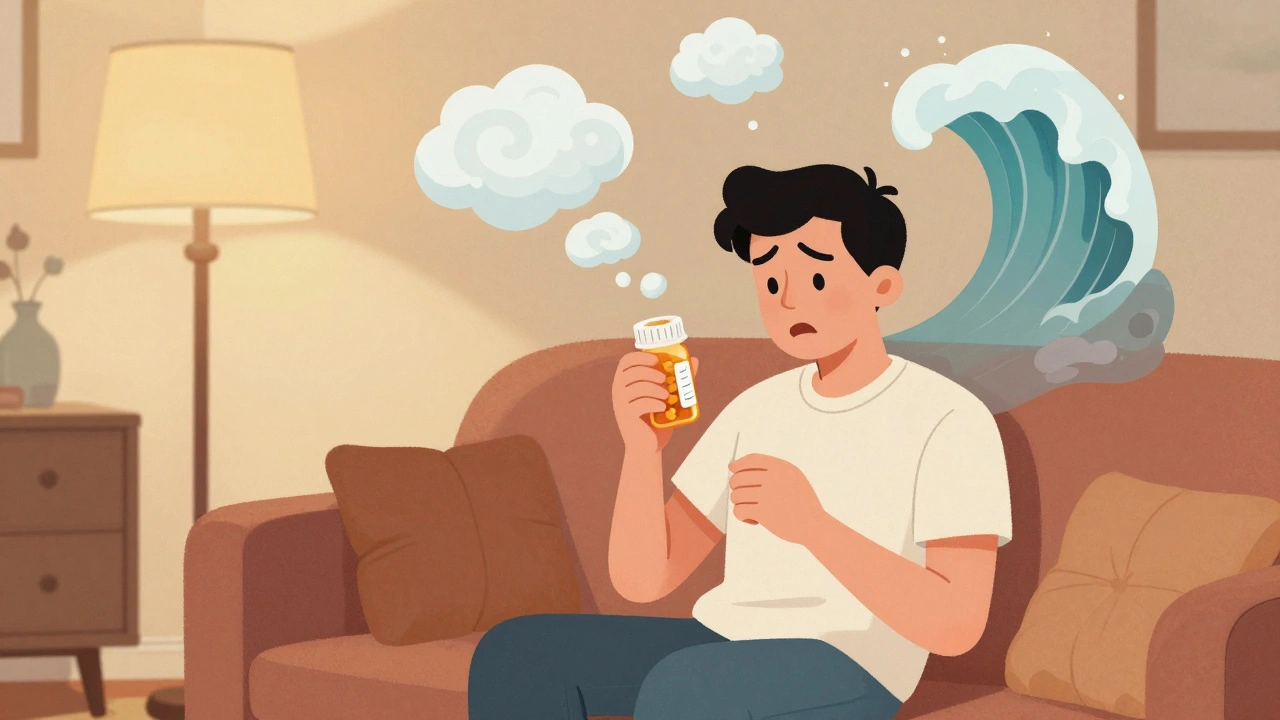
The Nocebo Effect in Medications: Why Expectations Shape Your Side Effects
The nocebo effect explains why people often feel side effects from medications-even when the drug is inert. Expectations, not chemistry, can trigger real symptoms. Learn how your mindset shapes your experience with pills.