
Placebo Effect: How Belief Shapes Your Body's Response to Treatment
When you take a sugar pill and feel better, it’s not magic—it’s the placebo effect, a measurable physiological response triggered by expectation rather than active ingredients. Also known as the placebo response, it shows your brain can activate real healing pathways just by believing a treatment will work. This isn’t theory—it’s been proven in hundreds of clinical studies, from pain relief to depression, Parkinson’s symptoms, and even immune responses. People given fake injections for arthritis report less swelling. Patients told they’re getting a powerful painkiller (but actually got saline) show measurable drops in pain signals. Your body doesn’t always need chemicals to respond—it just needs to trust the signal.
The placebo-controlled trials, the gold standard for testing new drugs, exist because scientists know the placebo effect is powerful enough to fool even careful measurements. If a new drug doesn’t beat a sugar pill in a double-blind study, it doesn’t get approved. That’s why the FDA and global regulators require them. But here’s the twist: the placebo effect isn’t a flaw in science—it’s a feature of human biology. It reveals how deeply your mind, nervous system, and immune system are wired together. The same brain regions that process pain also respond to hope, ritual, and the authority of a doctor in a white coat. Even the color and size of a pill can change how strong the effect is—blue pills work better for depression, red ones for stimulation, according to studies.
And it’s not just in labs. Real patients on real medications often get extra benefit from the placebo effect built into their treatment experience. A doctor who listens, explains clearly, and shows confidence can boost results—even with generics. That’s why some people feel better switching from brand to generic drugs, not because the medicine changed, but because their trust in the process did. The mind-body connection, the link between psychological state and physical health is why a patient’s expectations matter as much as the drug’s chemical structure in many cases. It’s why placebo responses are stronger in conditions like chronic pain, fatigue, and anxiety—where perception plays a direct role in symptoms.
What you’ll find in these articles isn’t just science—it’s real-world insight. From how doctors use the placebo effect ethically to why some people respond to placebos and others don’t, the posts here cut through the myths. You’ll see how generic drugs, biosimilars, and even injection routines tap into this invisible force. You’ll learn why some patients swear by their medication even when it’s identical to a cheaper version—and why that matters for your own health decisions. This isn’t about tricking the body. It’s about understanding how your brain helps heal it—and how to work with that power, not against it.
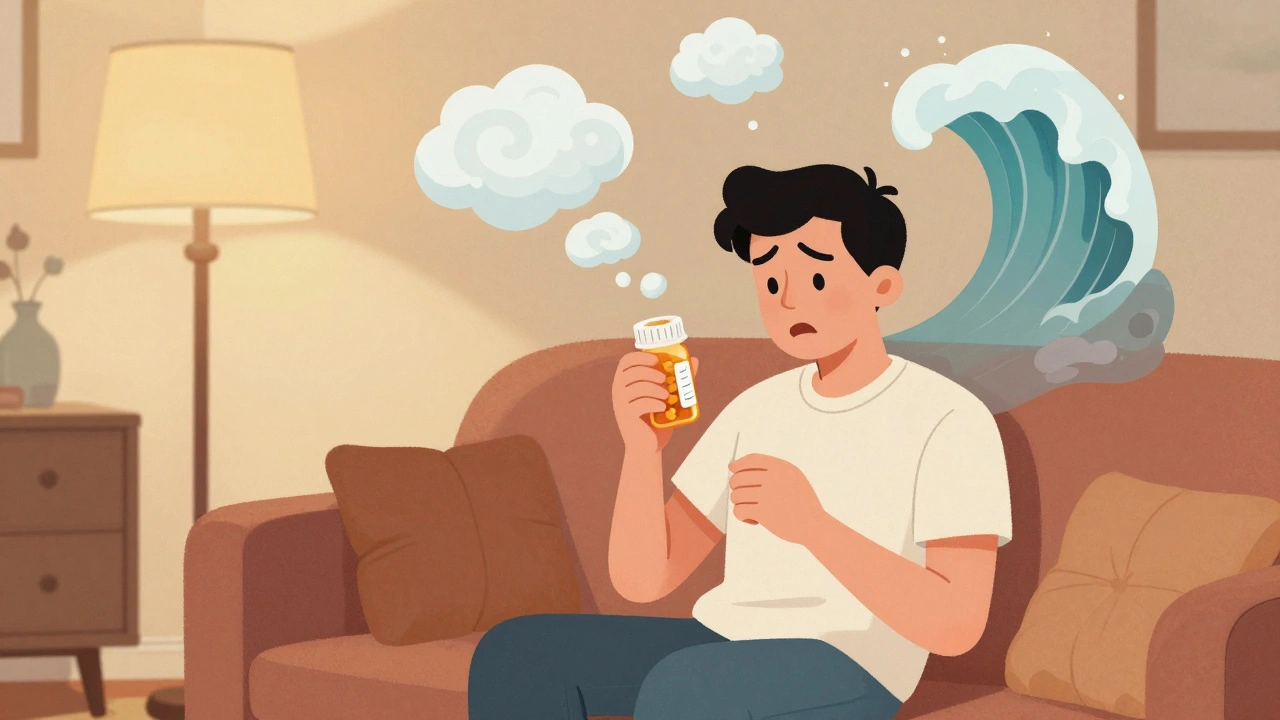
The Nocebo Effect in Medications: Why Expectations Shape Your Side Effects
The nocebo effect explains why people often feel side effects from medications-even when the drug is inert. Expectations, not chemistry, can trigger real symptoms. Learn how your mindset shapes your experience with pills.