
Statin Lab Tests: What You Need to Know About Monitoring Cholesterol and Liver Health
When you take a statin, a class of medications used to lower LDL cholesterol and reduce heart disease risk. Also known as HMG-CoA reductase inhibitors, they work by blocking a liver enzyme that makes cholesterol. But statins aren’t just about lowering numbers—they can affect your liver, muscles, and even blood sugar. That’s why statin lab tests, routine blood tests used to monitor safety and effectiveness while on statin therapy are a non-negotiable part of treatment.
Most doctors order two key tests before you start and again a few weeks later: a liver function test, a blood panel that checks enzymes like ALT and AST to spot early signs of liver stress, and a lipid panel, a test that measures total cholesterol, LDL, HDL, and triglycerides to see if the statin is working. If your ALT or AST levels jump more than three times the normal range, your doctor might pause the statin—not because it’s dangerous for everyone, but because some people are more sensitive. Muscle pain? That’s another red flag. A simple blood test for creatine kinase (CK) can tell if your muscles are breaking down, a rare but serious side effect called rhabdomyolysis. And if you’re prediabetic or overweight, your doctor may check your fasting blood sugar. Statins can slightly raise it in some people, but the heart benefits usually still outweigh the risk.
These aren’t just check-the-box tests. They’re your early warning system. A 2021 study in the Journal of the American College of Cardiology found that patients who had regular statin lab tests were 40% less likely to stop their meds due to unexplained symptoms. Why? Because when your doctor sees a slow rise in liver enzymes instead of a sudden spike, they can adjust your dose instead of stopping the drug entirely. And if your LDL drops from 190 to 75, you know the statin is doing its job—no guesswork needed.
You’ll likely get your first statin lab tests within 4 to 12 weeks after starting. After that, most people only need them once a year—unless you have other conditions like diabetes, kidney disease, or you’re taking other meds that interact with statins. Don’t skip them just because you feel fine. Side effects often show up in the blood before you feel them. And if you’ve switched statins or changed doses, get tested again. Not all statins affect the liver the same way. Atorvastatin, rosuvastatin, simvastatin—they each have their own profile.
Below, you’ll find real-world guides from people who’ve been through this. Learn how to track your own lab results, what to ask your doctor when numbers look odd, and how to spot hidden risks from other meds you’re taking. Some posts even show you how to talk to your pharmacist about statin interactions with supplements like red yeast rice or grapefruit juice. This isn’t theory. It’s what works for real patients managing their health one test at a time.
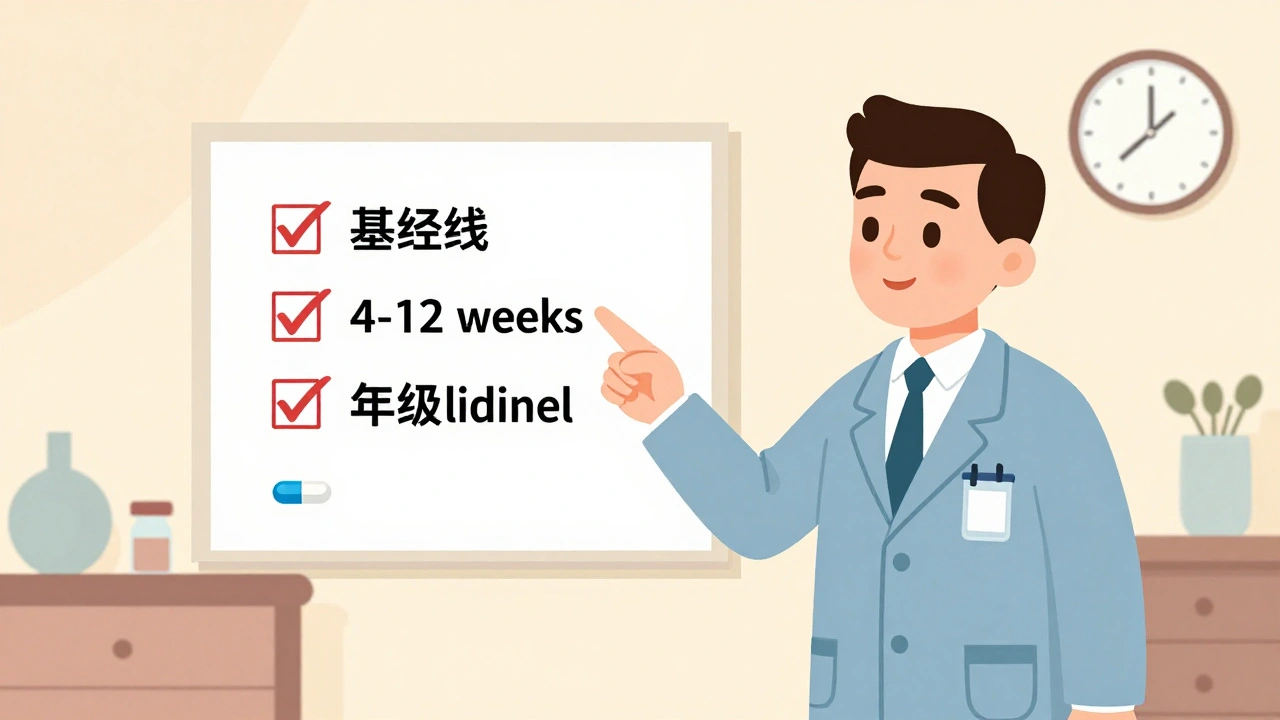
Monitoring While on Statins: What Lab Tests You Really Need and When
Learn what statin lab tests you actually need - and which ones are unnecessary. Get clear, evidence-based guidance on liver checks, muscle pain, diabetes risk, and when to stop or keep taking your statin.