
Statin Monitoring: What You Need to Track and Why It Matters
When you take a statin, a class of medications used to lower LDL cholesterol and reduce heart attack risk. Also known as HMG-CoA reductase inhibitors, they’re among the most prescribed drugs in the world—but they’re not risk-free. That’s why statin monitoring isn’t optional. It’s how you catch problems before they become serious.
Statin monitoring isn’t just about checking your cholesterol numbers. It’s about watching for signs your body isn’t handling the drug well. The most common red flags are muscle pain or weakness, especially if it’s new or gets worse after starting the statin. This isn’t just "soreness from the gym." If you feel like you can’t climb stairs or get up from a chair without help, that’s a signal. Your doctor should check a blood test called CK (creatine kinase) to see if your muscles are breaking down. In rare cases, this can lead to rhabdomyolysis—a dangerous condition that can damage your kidneys.
Another key part of statin monitoring is your liver function tests, blood tests that measure enzymes like ALT and AST to spot liver stress. While serious liver damage from statins is extremely rare, these tests help catch early changes. Most people never see their numbers go high enough to stop the drug, but your doctor needs to see the trend. If your ALT or AST rises more than three times the normal level, they’ll likely pause the statin and retest. This isn’t panic—it’s routine safety. You also need to watch for drug interactions, how other medications or supplements can boost statin levels and raise side effect risks. Grapefruit juice is the big one—it can make even a low dose of simvastatin or lovastatin dangerously strong. Some antibiotics, antifungals, and even supplements like red yeast rice can do the same. Always tell your pharmacist what else you’re taking.
Cholesterol levels themselves are part of the picture, but they’re not the whole story. Your LDL might drop perfectly, but if you’re feeling tired, sore, or weird, that matters more than the number on the lab report. That’s why good statin monitoring is personal. It’s not just what the machine says—it’s what you feel, what you report, and what your doctor checks over time. Some people need a blood test every 3 months at first. Others settle into yearly checks if things are stable. There’s no one-size-fits-all schedule.
And don’t assume that if you feel fine, you’re safe. Many people with early muscle damage don’t notice it until it’s advanced. That’s why sticking to your monitoring plan—even when you’re not sick—is how you protect your long-term health. You’re not just taking a pill to lower cholesterol. You’re managing a treatment that affects your muscles, liver, and how other drugs work in your body. Statin monitoring is your safety net. Skip it, and you’re gambling with your health. Stay on top of it, and you’re doing something most people don’t: taking real control of your care.
Below, you’ll find real stories and practical guides from people who’ve been there—tracking side effects, understanding lab results, avoiding dangerous combos, and learning how to talk to their doctors about what’s really going on. No fluff. Just what works.
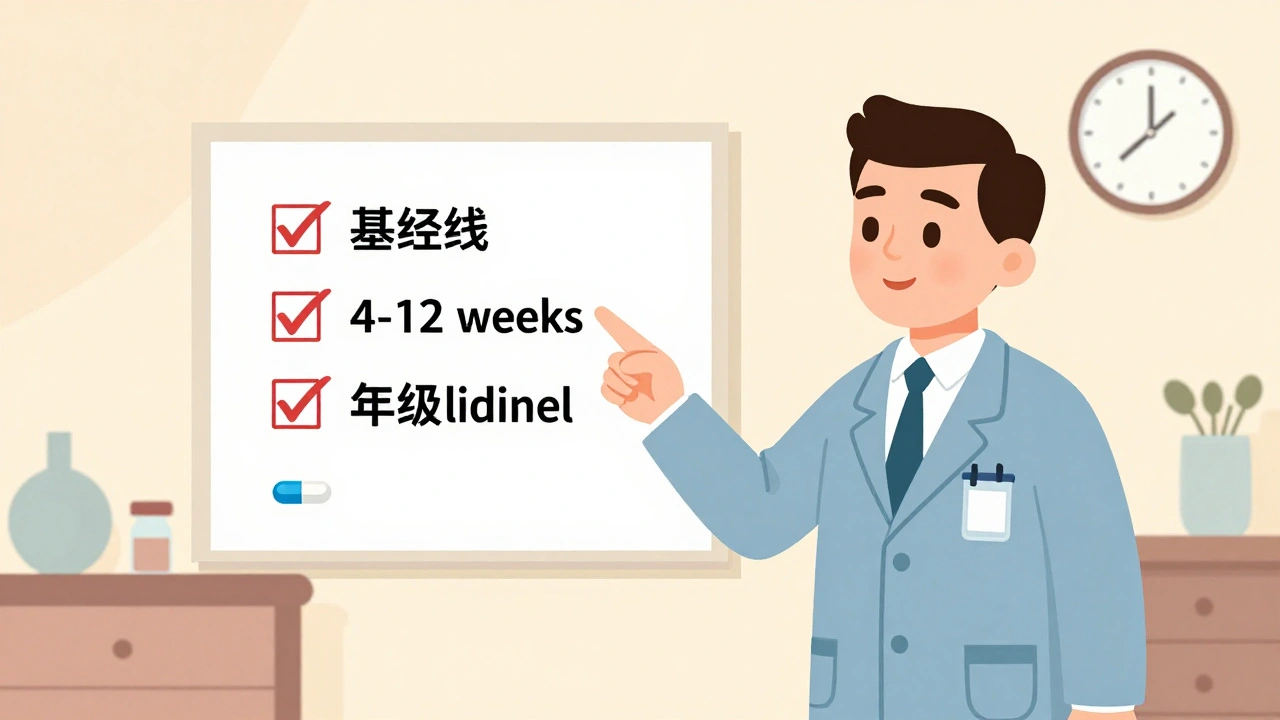
Monitoring While on Statins: What Lab Tests You Really Need and When
Learn what statin lab tests you actually need - and which ones are unnecessary. Get clear, evidence-based guidance on liver checks, muscle pain, diabetes risk, and when to stop or keep taking your statin.