
Tracking Side Effects: How to Monitor Medications and Stay Safe
When you start a new medication, tracking side effects, the process of noticing and recording how your body responds to a drug. Also known as adverse drug reaction monitoring, it’s not just something doctors do—it’s something you need to do for yourself. Many people think side effects mean you’re doing something wrong, but they’re often just your body adjusting. The key isn’t to avoid them entirely—it’s to catch the dangerous ones before they become emergencies.
Think about liver function tests, blood tests that check if your liver is handling your meds properly. Statins, for example, can raise liver enzymes—but only in a small number of people. If you don’t get tested, you might never know until you feel terrible. Or consider diuretics, water pills that can throw off your electrolytes if you don’t watch your fluid intake. Dehydration from these drugs doesn’t always come with thirst—it can show up as dizziness, cramps, or even confusion. And then there’s fentanyl patches, pain patches that can overdose you if they get too warm. Heat from a hot shower or a fever can turn a safe dose into a deadly one. These aren’t rare cases. They’re everyday risks that tracking can prevent.
It’s not just about lab results or emergency signs. Side effects can be quiet: worse sleep, sudden fatigue, a weird taste in your mouth, or feeling off-balance. That’s why keeping a simple log—what you took, when, and how you felt—is one of the most powerful tools you have. You don’t need an app. A notebook or even a notes app works. Write down changes, even small ones. Bring it to your next appointment. Doctors rely on your observations more than you think.
Some side effects are obvious, like nausea or rash. Others hide in plain sight. A new sugar craving? It might be from statins. Trouble sleeping after starting an antibiotic? That’s not just stress—it’s your gut microbiome changing. The posts below show you exactly how to connect the dots between what you take and how you feel. You’ll find guides on spotting dangerous interactions, understanding what lab results mean, storing meds safely, and knowing when to push back on a prescription. This isn’t theory. It’s what people have used to avoid hospital visits, reverse damage, and take back control of their health. What you learn here could stop a crisis before it starts.
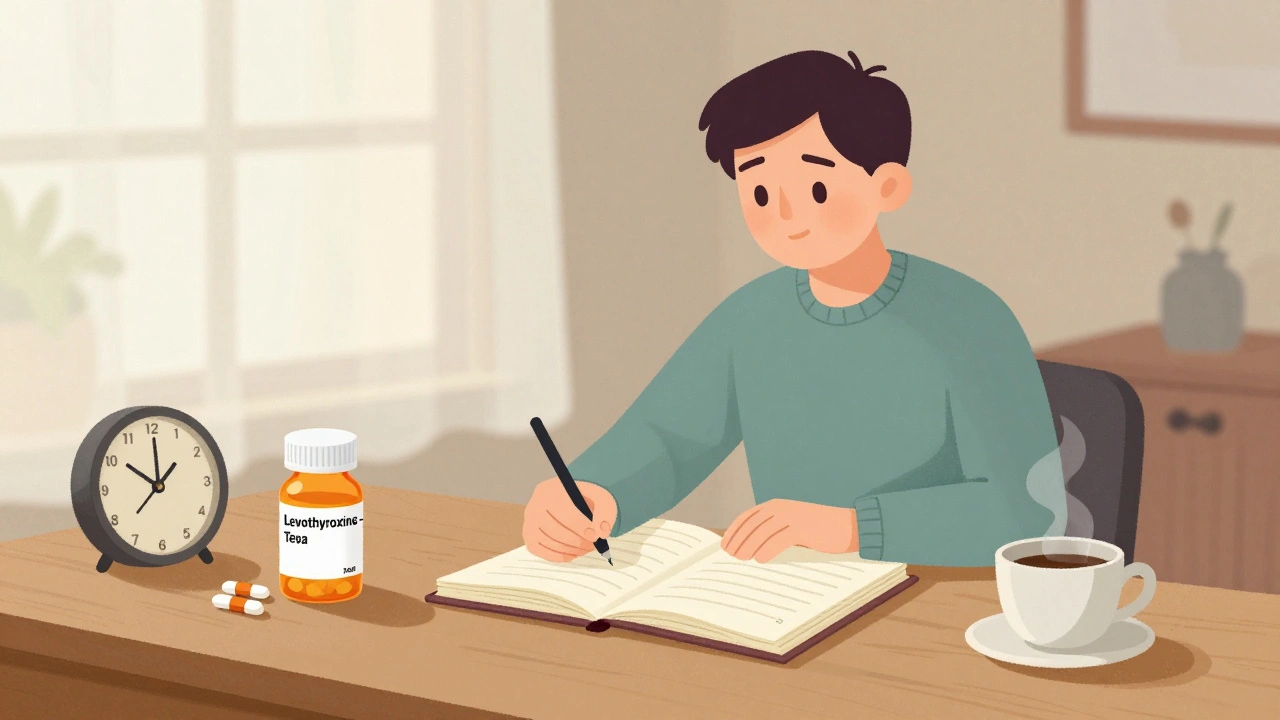
Keeping a Medication Journal: Tracking Your Response to Generic Medications
Track how your body responds to generic medications with a simple journal. Learn what to record, why it matters, and how to use your data to talk to your doctor and avoid hidden side effects.