
Transdermal Fentanyl: How It Works, Risks, and Alternatives
When you need long-lasting pain relief and pills aren’t cutting it, transdermal fentanyl, a prescription opioid patch that delivers medication slowly through the skin. Also known as fentanyl patch, it’s used for severe, ongoing pain—like from cancer or major surgery—when other treatments fail. Unlike pills that spike and drop in your system, this patch keeps a steady level of medicine in your blood for up to 72 hours. That’s why doctors turn to it when someone needs constant pain control without constant dosing.
But it’s not a one-size-fits-all solution. fentanyl patch, a transdermal delivery system designed for opioid-naive patients only under strict supervision. If you’ve never taken strong opioids before, this patch can be deadly. Even a small mistake—like cutting the patch, applying heat to it, or using it with alcohol—can cause overdose. It’s meant for people who are already tolerant to opioids and need reliable, around-the-clock pain relief. The skin absorbs the drug slowly, so it takes hours to kick in. That’s why it’s never used for sudden or short-term pain.
People often ask what else works like it. transdermal drug delivery, a method of administering medication through the skin to avoid first-pass metabolism in the liver. Other patches exist—like buprenorphine for pain or nicotine for quitting smoking—but fentanyl is among the strongest. Some patients switch to oral opioids like morphine or oxycodone if the patch causes skin irritation or doesn’t control pain well enough. Others try nerve blocks, physical therapy, or non-opioid meds like gabapentin, especially if they’re worried about addiction or side effects like dizziness, constipation, or breathing trouble.
What you won’t find in most doctor’s offices is a one-size-fits-all answer. That’s why the posts here dive into real comparisons: how fentanyl patches stack up against other pain meds, what side effects to watch for, and how to use them safely at home. You’ll see how people manage the patch with other conditions, what to do if it stops working, and why some patients end up switching treatments. These aren’t theory pieces—they’re based on actual experiences, clinical data, and practical advice from those who’ve lived with chronic pain.
Whether you’re a patient, caregiver, or just trying to understand why someone’s using a patch on their arm, this collection gives you the facts without the fluff. No marketing. No guesswork. Just clear, honest info on what transdermal fentanyl can and can’t do—and what else might work better for your situation.
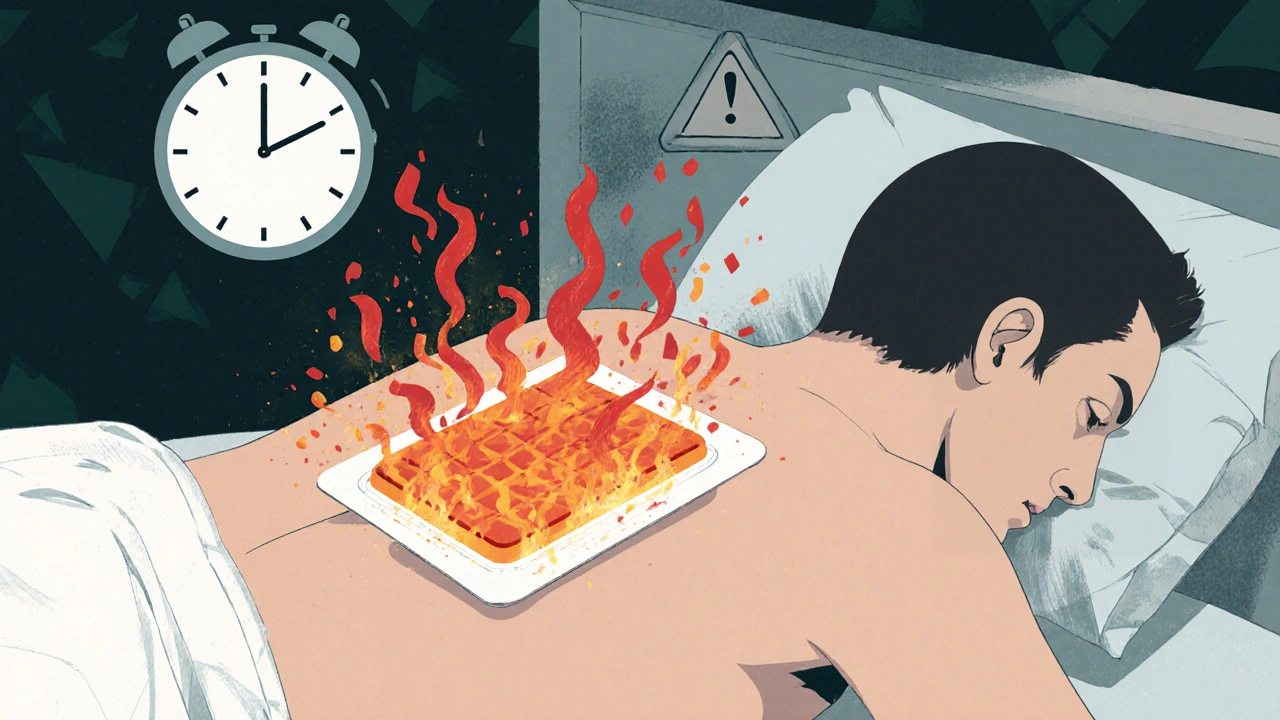
Heat and Fentanyl Patches: How Heat Increases Overdose Risk
Fentanyl patches can be life-saving for chronic pain-but heat from showers, fevers, or heating pads can cause deadly overdose. Learn how to avoid this hidden danger and stay safe.